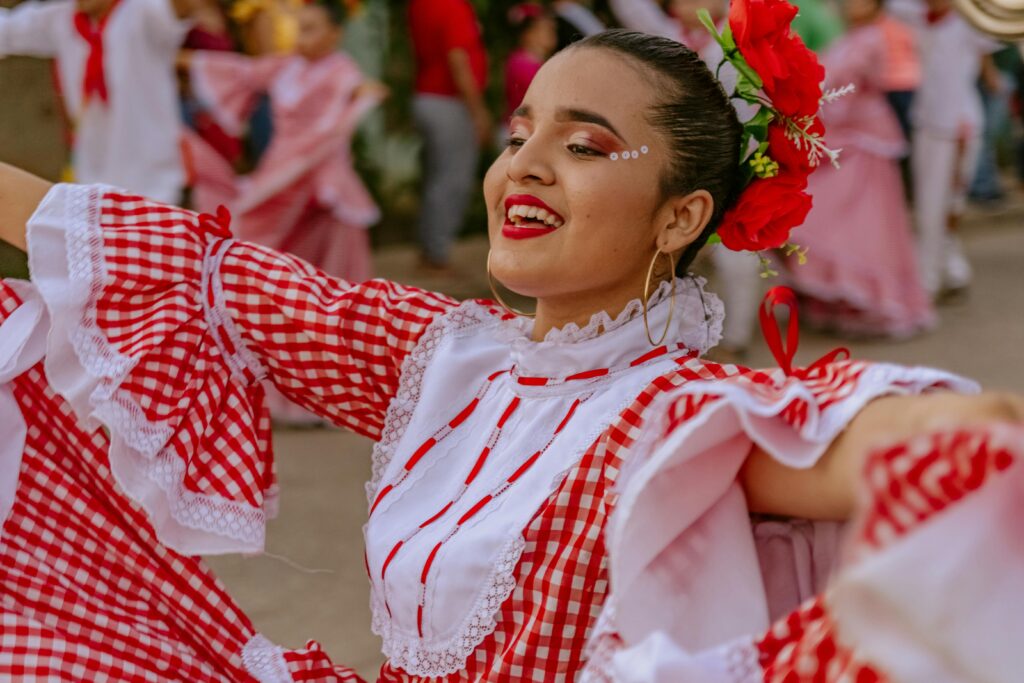
I remember growing up in the projects in the 80s. Poverty and violence were eclipsed by Block parties and big dreams. So, watching In the Heights done by the exquisite genius of Lin-Manuel Miranda took me back, especially the song “96,000,” which was all about big dreams and what would happen if given the opportunity to make those dreams a reality. Sometimes, those are the dreams that keep you going.
96,000 Dreams Later
There is something deeply familiar about the world of Washington Heights in In the Heights. Even if you have never set foot in upper Manhattan, the neighborhood feels lived in from the first note. The music hums like a summer sidewalk. The people argue, gossip, flirt, dance, dream, and stress eat. Somebody is always yelling from a window. Somebody is always cooking something that smells life changing. Somebody is always one electric bill away from disaster and one lucky break away from hope.
That is what makes In the Heights so powerful. It is not really a story about winning the lottery. It is a story about what people do when life gives them very little except each other.

The number “96,000” becomes the emotional center of the musical because it asks a question most working class people have asked at least once in their lives. “What would I do if I finally got enough money to breathe?” Not enough money to buy a yacht. Not enough money to launch yourself into orbit like an emotionally unstable billionaire. Just enough money to unclench your jaw for the first time in years.
The dreams in that song are funny and chaotic and wildly human. Some people want education. Some want security. Some want escape. Some want revenge through success. Some just want an apartment with functioning air conditioning. Honestly, during a New York summer, that might be the most realistic fantasy of all.
The Neighborhood Is the Main Character
One of the most beautiful things about In the Heights is that Washington Heights itself feels alive. The neighborhood is not just a setting. It is a breathing, sweating, dancing organism. The people depend on each other in ways that are both comforting and claustrophobic.
Usnavi knows everyone’s coffee order. Abuela Claudia knows everyone’s history. Daniela knows everyone’s business whether they wanted her to or not. Sonny knows everyone’s politics. Nina carries everyone’s expectations. Benny tries to prove he belongs in a place that constantly reminds him he is an outsider.
That is community in a nutshell. Love mixed with pressure. Warmth mixed with noise. Support mixed with meddling.
For immigrant neighborhoods especially, community often becomes survival infrastructure. Families pool money together. Neighbors watch each other’s children. Somebody’s auntie feeds half the block. Somebody’s cousin knows a guy who can help you find work. In places where systems fail people, neighborhoods become systems of their own.
That is why the possible loss of the barrio hurts so much throughout the musical. Gentrification hangs over the story like humidity before a thunderstorm. Businesses are disappearing. Rents are rising. Dreams are becoming expensive. The neighborhood is changing in ways that make longtime residents feel invisible inside their own home.
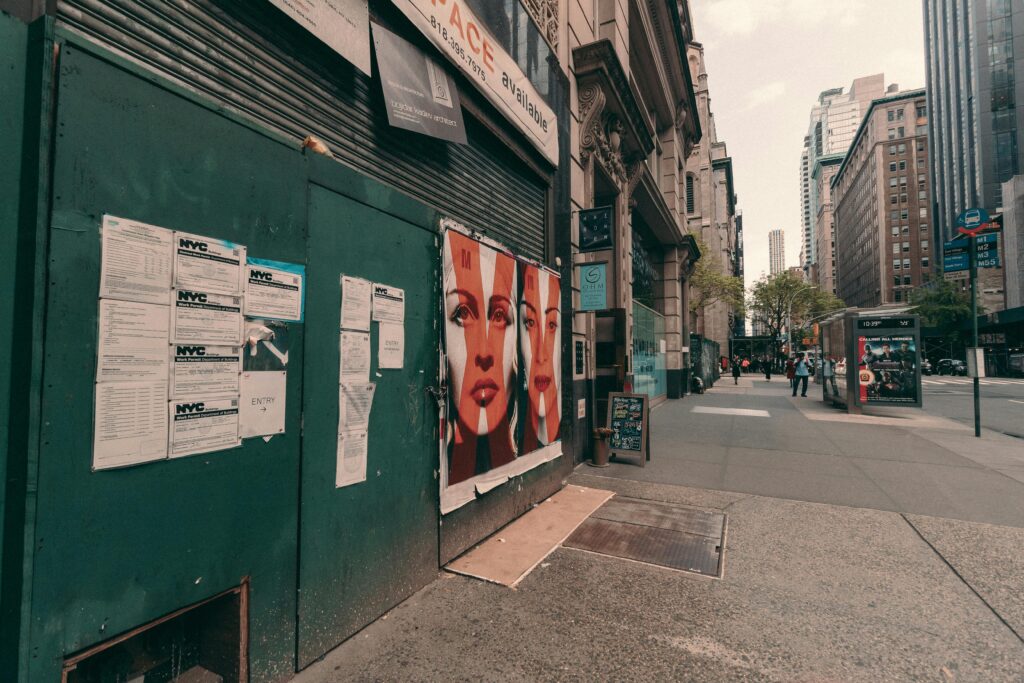
There is a particular ache in realizing the place that raised you may no longer have room for you.
Immigration and the Weight of Sacrifice
Immigration stories in media are often flattened into clichés. People either become inspirational symbols or tragic statistics. In the Heights avoids both traps by showing immigration as messy, exhausting, funny, painful, and deeply personal.
Take Nina’s father, Kevin Rosario. He works himself into the ground to give Nina opportunities he never had. He sacrifices his business and stability because he believes education is the path to a better life for his daughter. That pressure is enormous, even when it comes from love.
Children of immigrants often grow up carrying invisible emotional luggage. Success is not just success. It becomes repayment. It becomes proof that the sacrifice meant something. Failure feels catastrophic because it feels communal.
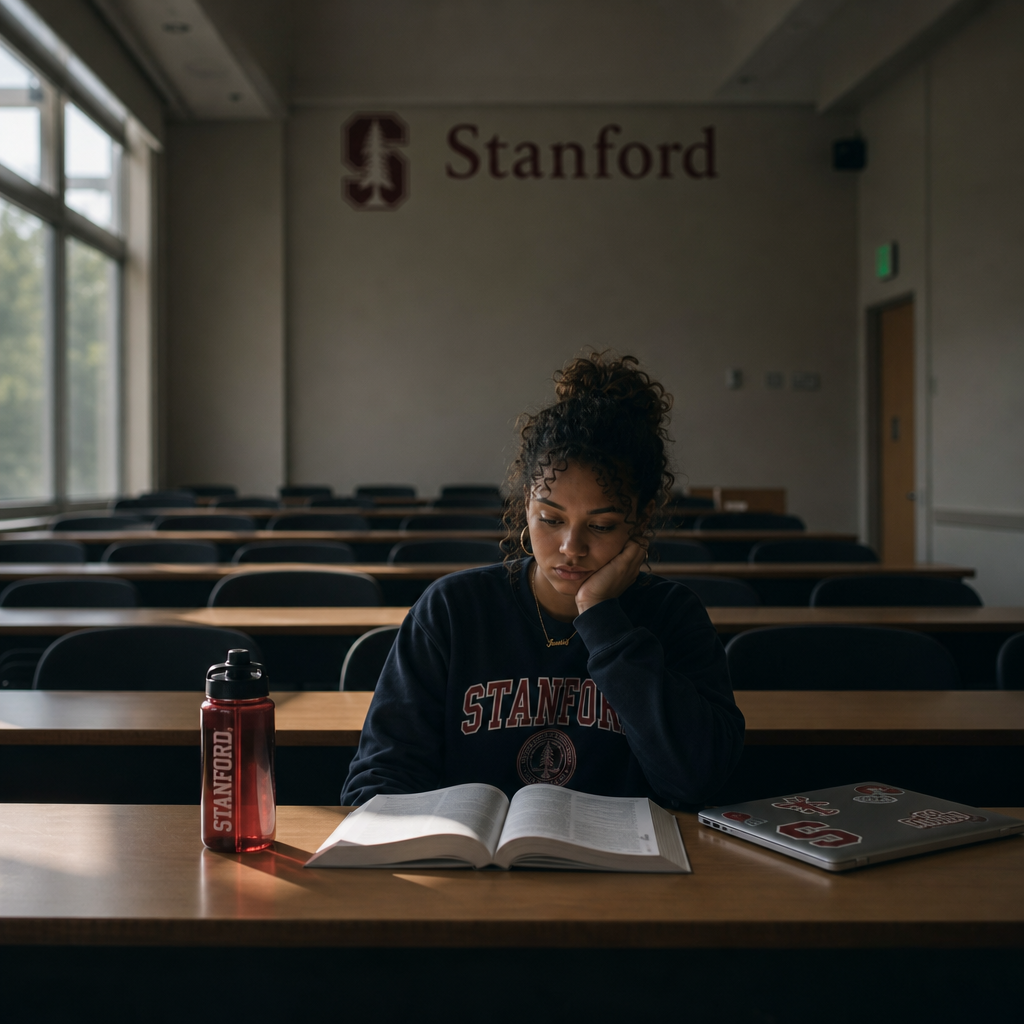
Nina’s struggle at Stanford is one of the most emotionally honest parts of the musical because she discovers that achievement does not magically erase alienation. She gets into the elite institution everyone dreamed about, only to realize she feels profoundly alone there. She is navigating racism, class differences, and cultural isolation while trying to maintain the image of being the successful daughter who made it out. That is an experience many first generation students recognize immediately. Sometimes you arrive at the dream only to realize nobody prepared you for how lonely the dream could be.
Meanwhile, the older generation measures success differently. For them, owning a business, feeding a family, and surviving another day already counts as victory. The tension between generations comes from different definitions of what a better life actually means.
And underneath all of it is fear. Fear of deportation. Fear of instability. Fear of losing culture. Fear that children will forget where they came from. Fear that they will remember too much.
The musical never lectures about immigration. Instead, it lets audiences sit inside the emotional reality of it. That honesty matters.
Abuela Claudia and the Heart of Home
If Washington Heights has a soul, it is Abuela Claudia. She is not biologically related to everyone, but emotionally she belongs to all of them. That dynamic is instantly recognizable in many communities. Sometimes the people who raise us are not technically family. They are neighbors, elders, church ladies, babysitters, or the person down the hall who always has soup and advice.
Abuela Claudia represents memory itself. She remembers where people came from before they became exhausted adults with overdue bills and fading dreams. She remembers the struggle behind the survival.
Her song “Paciencia y Fe” is devastating because it captures the endurance required to build a life in a country that often sees immigrants only for their labor and not their humanity. The song moves through exhaustion and hope simultaneously. Keep going. Keep believing. Keep surviving.
Patience and faith. Paciencia y fe.
That phrase becomes almost sacred by the end of the show because it reflects the emotional reality of so many working class communities. Sometimes survival itself is an act of stubborn hope.
And then there is the heartbreaking reality that neighborhoods lose people like Abuela Claudia every day. Elders pass away. Families move. Businesses close. Traditions fade. Communities change shape. Suddenly the block that once felt eternal becomes unrecognizable.
The musical understands that grief is not only about losing people. Sometimes grief is about losing versions of home.
Dreams Bigger Than the Fire Escape
The brilliance of “96,000” is that every character imagines a different future, but all of those futures are rooted in dignity. Nobody is dreaming about becoming cartoonishly rich. They are dreaming about relief. Stability. Possibility. Freedom from constant stress. That is what makes the song resonate so strongly with audiences who grew up financially insecure.
Money represents breathing room.
For Sonny, it represents justice and opportunity. For Nina, education. For Benny, ambition. For Vanessa, escape from cramped living conditions and limited expectations. For Usnavi, it becomes tied to belonging and identity.
Usnavi spends much of the musical romanticizing the Dominican Republic as a kind of emotional paradise. He imagines escape as the answer to his uncertainty. But by the end, he realizes home is not simply geography. Home is people. Home is memory. Home is community. Home is the corner store where everybody knows your business before you do.
That realization hits especially hard for anyone who has ever felt caught between worlds. Immigrant families often live with dual identities, balancing heritage with adaptation. The question becomes not “Where do I belong?” but “How do I belong to all these pieces of myself at once?”
The answer the musical offers is beautifully imperfect. You carry your people with you.
Joy as Resistance
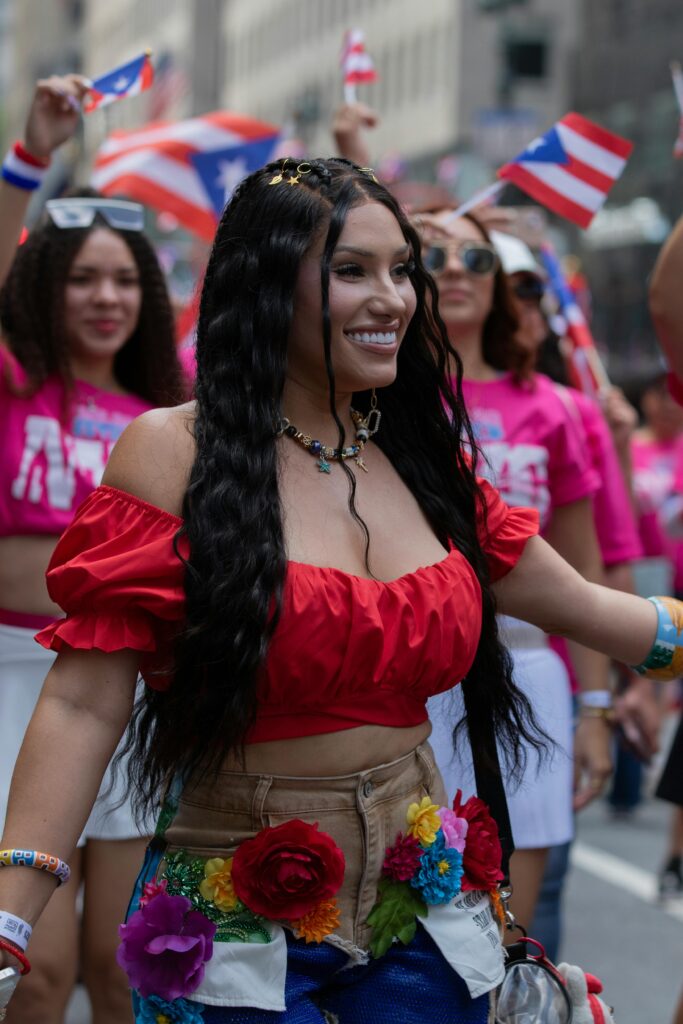
One thing I love about In the Heights is that it refuses to make suffering the only defining feature of marginalized communities. The musical is bursting with joy. Loud joy. Sweaty joy. Dance on the rooftop joy. Gossip salon joy. “Everybody squeeze into the pool before somebody gets kicked out” joy.
That matters.
There is a tendency in storytelling to portray poor and immigrant communities only through trauma. While hardship absolutely exists, reducing people to suffering strips them of humanity. People still laugh while struggling. They still fall in love while broke. They still argue over ridiculous nonsense while the world burns around them.
Honestly, some of the funniest people alive are people who have survived impossible situations. Humor becomes survival equipment. In In the Heights, joy is not denial. It is resistance. The community insists on celebration despite uncertainty. Music pours out of apartments and storefronts because culture itself becomes an act of endurance.
The neighborhood says, “We are still here.” And that declaration feels especially important now, in a world where communities are constantly displaced economically, politically, and culturally.
Why the Story Still Resonates
Part of why In the Heights continues to resonate is because the themes are painfully timeless. Housing insecurity still exists. Immigrant families still face impossible barriers. Students still struggle under generational expectations. Neighborhoods still fight against displacement. Working class people still dream about what life could look like with one lucky break.
And yet, the musical never collapses into cynicism. That balance is difficult to achieve. Many stories about poverty either romanticize struggle or drown in despair. In the Heights threads the needle by acknowledging hardship while insisting that hope matters.
Hope is not portrayed as naïve. It is portrayed as necessary.
The characters survive because they allow themselves to imagine better futures, even when reality keeps punching them directly in the rent payment. That is why “96,000” lands so powerfully. The number itself almost becomes mythical. It is not really about the cash value. It is about possibility. It is about imagining life beyond survival mode.
Everyone deserves the chance to dream beyond survival.
A Barrio Full of Stars
By the end of In the Heights, there is no magical solution. The neighborhood still faces challenges. People still leave. People still struggle. Dreams still evolve in messy ways.
But something important changes.
The characters begin to understand that ambition does not have to mean abandoning community. Success does not have to erase identity. Moving forward does not require forgetting where you came from.
That is a profoundly hopeful message in a culture that often equates worth with individual achievement. In the Heights argues that collective care matters too. Your dreams matter, but so do the people cheering for you from the fire escape.
The musical reminds us that communities are built through ordinary acts of love. Sharing food. Watching kids. Offering advice. Lending money. Dancing together during blackouts. Believing in each other when nobody else does.
Those things may not look revolutionary from the outside, but they are. And maybe that is why the musical feels so emotionally true. Because at its core, In the Heights understands something many people learn growing up in tight knit neighborhoods.
Sometimes the dream is not escaping your community. Sometimes the dream is making sure it survives.
Ninety six thousand dreams later, that hope still sings.
Like Usnavi, Nina, Benny, Vanessa and Sonny, I’m carrying my own 96,000 dreams. If this reflection meant something to you, and you’d like to support the work I do here, the links below help me keep this little corner of the internet going. No pressure — just sincere gratitude for your time and your eyes.

See Washington Heights come alive again and again with your very own copy of the hit musical by legend Lin Manuel Miranda.
In the Heights Original Movie Soundtrack
The music hits different when it’s right in your earbuds. Jam along to the sounds of the barrio with the official soundtrack — the perfect backing for your own 96,000 dreams.
Want to know how Washington Heights came alive on the stage and on the screen? This book is the backstage pass, so don’t be the last in the barrio to grab it!