Lightning has a habit of showing off. It streaks across the sky with all the subtlety of a rock star entrance, cracks open the air, and then vanishes like it never happened. But sometimes, lightning leaves behind a little souvenir. A fulgurite is one of the ocean’s strangest treasures, a glassy fossil shaped by a bolt of electricity that decided the beach needed a makeover. It is nature’s version of a surprise art project, formed in a blink and left behind as a delicate, sandy sculpture that looks like it belongs in a wizard’s collection.
The coast is full of stories, but few are as dramatic as the moment lightning meets sand. A fulgurite is the evidence of that encounter, a fragile tube of fused grains that whispers about storms, energy, and the quiet artistry hidden beneath our feet.
Storm Energy and the Fulgurite’s Spark of Creation
Lightning is basically the sky throwing a tantrum. Clouds build up charge until they can’t hold it anymore, and then they release it in a spectacular flash. When that bolt hits coastal sand, something extraordinary happens. The heat is so intense that the sand melts instantly. We’re talking temperatures hotter than the surface of the sun. The grains fuse together into glass, forming a hollow tube that traces the lightning’s path underground.
A fulgurite is often called a lightning fossil because it preserves the shape of the bolt’s journey. It’s not a perfect map of the strike, but it’s close enough to feel like the storm left behind a signature. The inside of the tube is smooth and glassy, while the outside is rough and sandy, like a shell that remembers both fire and earth.
The ocean plays a quiet role in this process. Coastal sand is full of minerals that melt beautifully under extreme heat. Quartz is the star of the show, but other minerals join the party, creating subtle variations in color and texture. The result is a fulgurite that feels both delicate and ancient, a sculpture born from chaos.
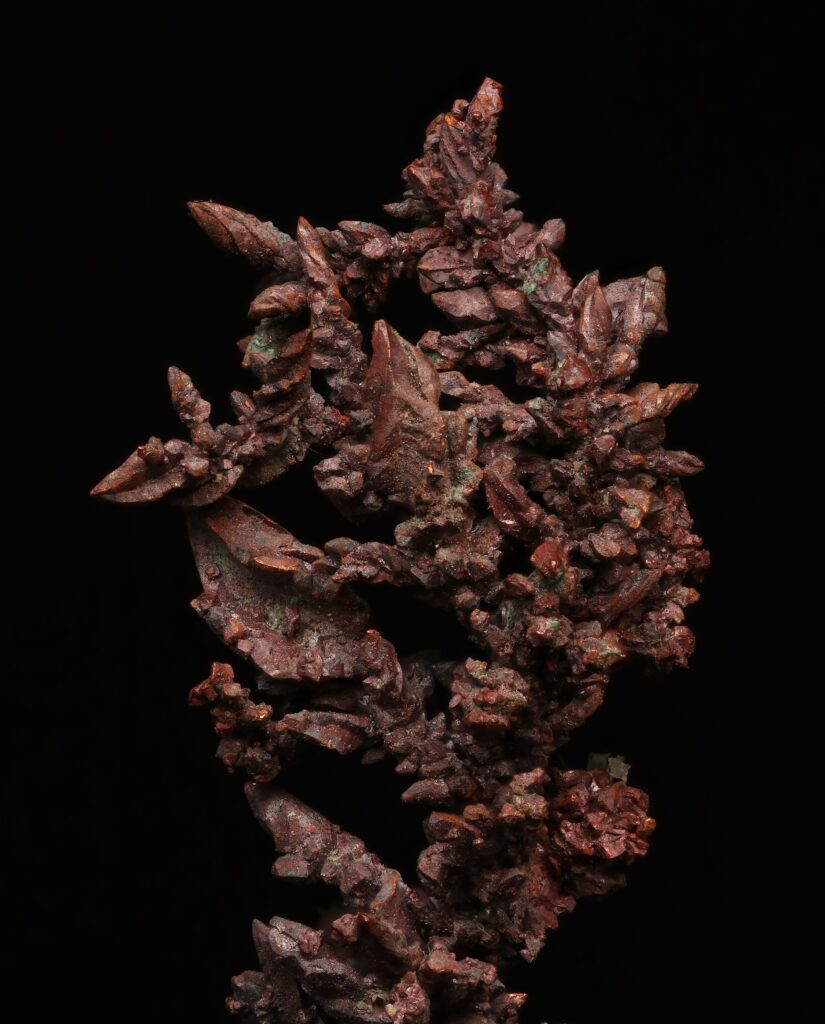
Shapes Hidden Beneath Coastal Sand
Most fulgurites stay buried. Lightning doesn’t politely strike the surface and leave its artwork out for display. It dives into the sand, sometimes several feet deep, and the fulgurite forms along that path. This means many fulgurites are discovered only when erosion, construction, or curious beachcombers uncover them.
Their shapes vary wildly. Some look like branching coral. Others resemble roots, tunnels, or strange glassy worms. The ocean’s influence adds another layer of personality. Coastal fulgurites often have smoother interiors and more complex branching because wet sand conducts electricity differently than dry desert sand. The moisture helps the lightning travel farther underground, creating longer and more intricate structures.
There’s something magical about holding a fulgurite. It feels like touching a moment of storm energy frozen in time. The ocean may not have created the lightning, but it provided the canvas. Sand is the shoreline’s memory keeper, and fulgurites are one of its rarest memories.
Ocean Storytelling and the Fulgurite’s Mythic Vibe
The ocean loves drama. It has shipwrecks, sea monsters, glowing plankton, and storms that rewrite coastlines. A fulgurite fits right into that storytelling tradition. It’s easy to imagine ancient sailors finding these glassy tubes and believing they were relics of sea gods or lightning spirits.
Even today, fulgurites feel mythic. They look like artifacts from a fantasy novel, something a mage might use to channel storm magic. Their formation is so sudden and violent that it feels like a spell cast by nature itself. And because they’re fragile, they carry a sense of rarity. You can’t mass‑produce a fulgurite. You can’t predict where lightning will strike. You can’t ask the ocean to make one on command. They appear only when the sky and the shore decide to collaborate.
In ocean storytelling, fulgurites become symbols of transformation. They remind us that the coast is always changing, always reacting, always creating. A storm can reshape sand in an instant, leaving behind a sculpture that lasts for centuries. That contrast between chaos and quiet endurance is part of what makes fulgurites so compelling.
The Dance Between Storm and Shore
Coastal storms are powerful teachers. They show how energy moves through the world, how the ocean responds, and how the land absorbs impact. A fulgurite is a tiny record of that dance. It captures the moment lightning touched the earth and transformed it.
When lightning hits the beach, the energy doesn’t just melt sand. It also sends shockwaves through the surrounding grains. These vibrations can create microfractures, rearrange mineral structures, and even influence how nearby sand behaves in future storms. The fulgurite becomes part of the shoreline’s geology, a small but meaningful change in the landscape.
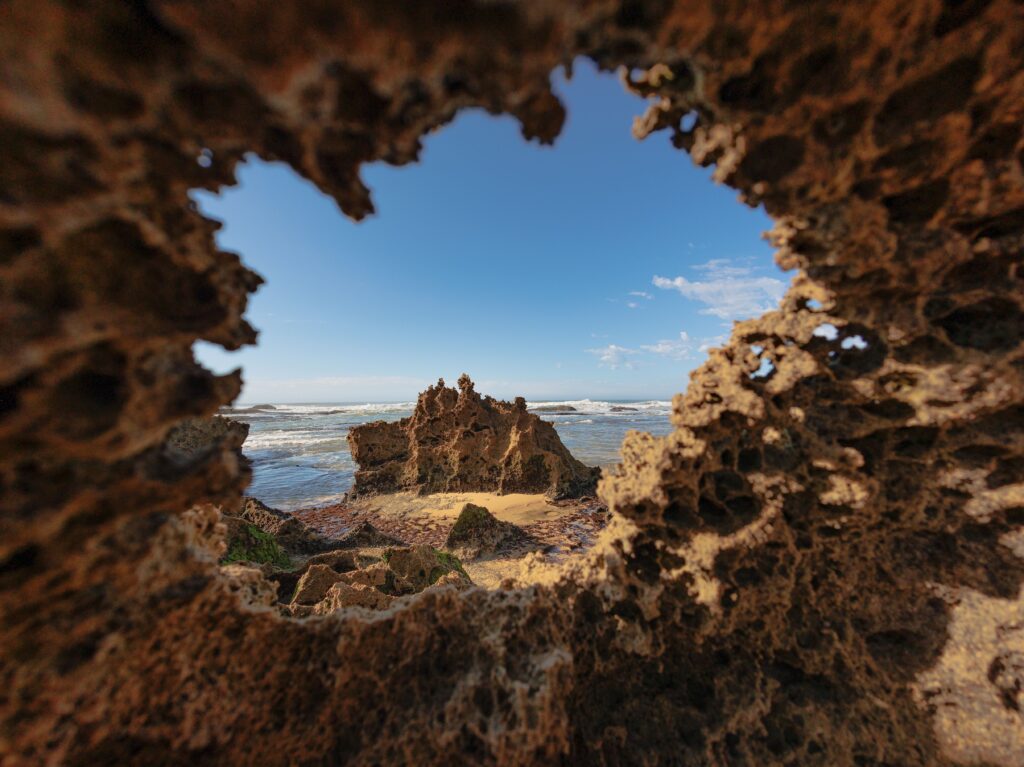
Some fulgurites break apart over time. Waves erode them. Wind wears them down. But even when they crumble, they leave behind altered sand that carries the memory of the strike. The ocean absorbs everything, including lightning’s fingerprints.
Fulgurite Colors and the Ocean’s Mineral Palette
Coastal sand is a mosaic of minerals. Quartz, feldspar, magnetite, shell fragments, coral dust, and even microscopic bits of volcanic rock can be found in a single handful. When lightning melts this mixture, the resulting fulgurite reflects that diversity.
Most fulgurites are pale or sandy in color, but some take on shades of gray, green, or even faint blue. These colors come from minerals that melt and fuse differently under extreme heat. The ocean’s influence is especially noticeable in fulgurites formed near shell‑rich beaches. Calcium from shells can create subtle variations in texture and tone, giving the fulgurite a softer, more organic appearance.
There’s a quiet beauty in these colors. They’re not flashy. They’re not trying to compete with gemstones. They’re the muted hues of the shoreline, transformed by lightning into something new.
Why They Matter In Ocean Science
Beyond their aesthetic charm, fulgurites are scientifically valuable. They help researchers understand how lightning interacts with different types of sand. They reveal how minerals behave under sudden, extreme heat. They even offer clues about past storms.
A fulgurite can tell scientists where lightning struck, how powerful the bolt was, and how deeply it traveled. In coastal environments, this information helps researchers map storm patterns and understand how electrical energy moves through wet sand. This knowledge can be applied to everything from erosion studies to climate research.
Fulgurites also help scientists explore the chemistry of glass formation. The rapid melting and cooling process creates unique structures that differ from man‑made glass. These structures can teach us about natural vitrification, mineral bonding, and the behavior of silica under extreme conditions.
The ocean is full of mysteries, and fulgurites are one of the clues that help us unravel them.
A Fragile Life in a Changing Ocean
Coastal environments are shifting faster than ever. Rising sea levels, stronger storms, and human activity all influence how sand moves and changes. Fulgurites are fragile, and many are lost before anyone ever sees them. But their formation continues, quietly and unpredictably, whenever lightning strikes the shore.
There’s something comforting about that. Even as the world changes, storms still carve their signatures into the sand. The ocean still collaborates with the sky. Nature still creates art in moments of chaos.
Fulgurites remind us that beauty can come from sudden, overwhelming energy. They show that transformation doesn’t always require time. Sometimes it happens in a single flash.
Magic and the Human Imagination
People have always been fascinated by fulgurites. Some collect them. Some use them in jewelry. Some keep them as talismans. There’s a sense of wonder in holding a piece of lightning’s path, a physical trace of something usually untouchable.
In coastal folklore, fulgurites are sometimes seen as protective charms. They’re thought to hold storm energy, to connect the bearer to the ocean’s power, or to symbolize resilience. Whether or not you believe in that kind of magic, it’s easy to understand why fulgurites inspire it. They’re rare, beautiful, and born from a moment of pure natural force.
The ocean has always been a storyteller, and fulgurites are one of its quieter tales. They don’t roar like waves or shimmer like bioluminescence. They whisper. They hide. They wait to be found.
Their Place in Coastal Wonder
Every beach has its secrets. Some are loud, like crashing surf or migrating whales. Others are small and hidden, like fulgurites buried beneath the sand. These lightning fossils remind us that the shoreline is alive with energy, constantly shaped by forces we can’t always see.
A fulgurite is a collaboration between sky and earth, storm and shore, chaos and calm. It’s a sculpture made in an instant, a fragile tube of glass that carries the memory of a bolt that touched the world and changed it.
The ocean doesn’t just hold stories. It creates them. And sometimes, when lightning strikes just right, it leaves behind a little glassy reminder that even the wildest moments can become art.
Supporting Autumnelf on Ko‑Fi helps fuel new essays, book projects, ocean‑life explorations, theatrical deep dives, and the creative quests that make Phantom Orca Quest a vibrant, multimedia experience.
Get Me a Spark of Magic