The blue dragon is one of those creatures that makes you wonder if the ocean is secretly running a fantasy role‑playing game. It is tiny, flamboyantly colored, and armed with stolen powers. Yes, stolen. This little nudibranch drifts through the waves like a pocket‑sized wizard who figured out how to cast spells using someone else’s wand. If you have ever wished you could borrow a friend’s superpower for a day, the blue dragon has already beaten you to it and taken things several steps further.
The first time I learned about this creature, I had to double‑check that it wasn’t a prank. It looks like a creature designed by someone who loves glitter, chaos, and dramatic entrances. Yet it is very real, very small, and very good at turning the tables on animals much bigger and more dangerous than itself. The blue dragon is basically the ocean’s version of that friend who shows up to a party wearing something so bold you can’t help but admire the confidence.
How the blue dragon became a tiny sorcerer
The blue dragon’s magic trick begins with its prey. It floats upside down at the surface of the ocean, letting the wind and waves carry it along like a carefree traveler who refuses to check a map. This relaxed approach to navigation works because its favorite snacks also drift along the surface. These snacks include creatures like the Portuguese man o’ war, which is famous for stinging anything that gets too close. Most animals avoid it. The blue dragon sees it as lunch.
When the blue dragon eats a man o’ war, it doesn’t just digest the stinging cells. It collects them. It stores them. It repurposes them. It is the ultimate upcycler. The stinging cells, called nematocysts, are tucked away inside the blue dragon’s tissues until they are needed. Then the nudibranch uses them as weapons, delivering stings that can be even more potent than the original creature’s. Imagine eating a spicy pepper and somehow absorbing its heat so you can breathe fire later. That is the level of chaos we are dealing with.
This ability is what gives the blue dragon its sorcerer vibe. It doesn’t produce its own venom. It steals it, refines it, and wields it with flair. If the ocean had a magical academy, the blue dragon would be the student who shows up with borrowed spellbooks and still manages to ace every exam.
The blue dragon’s dramatic fashion choices
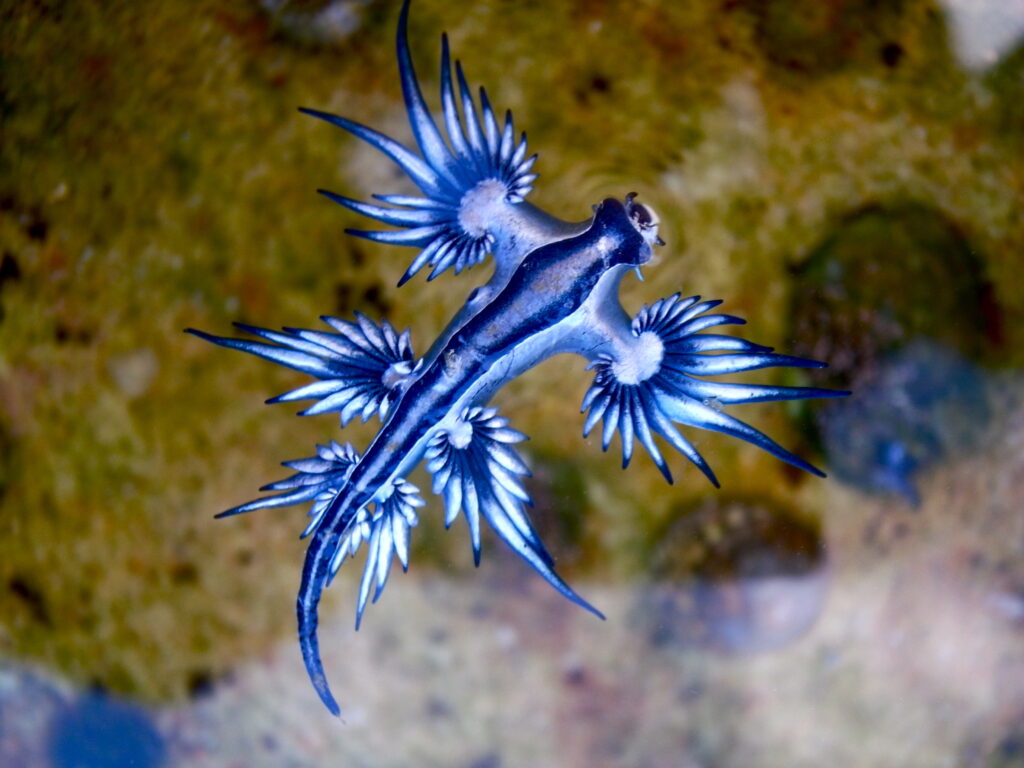
The blue dragon’s appearance is a whole event. Its body is a shimmering mix of silver and blue, with wing‑like appendages that fan out in elegant, feathery shapes. These appendages are called cerata, and they help the nudibranch float, feed, and store those stolen stinging cells. They also make it look like a creature that should be perched on the shoulder of a sea witch offering cryptic advice.
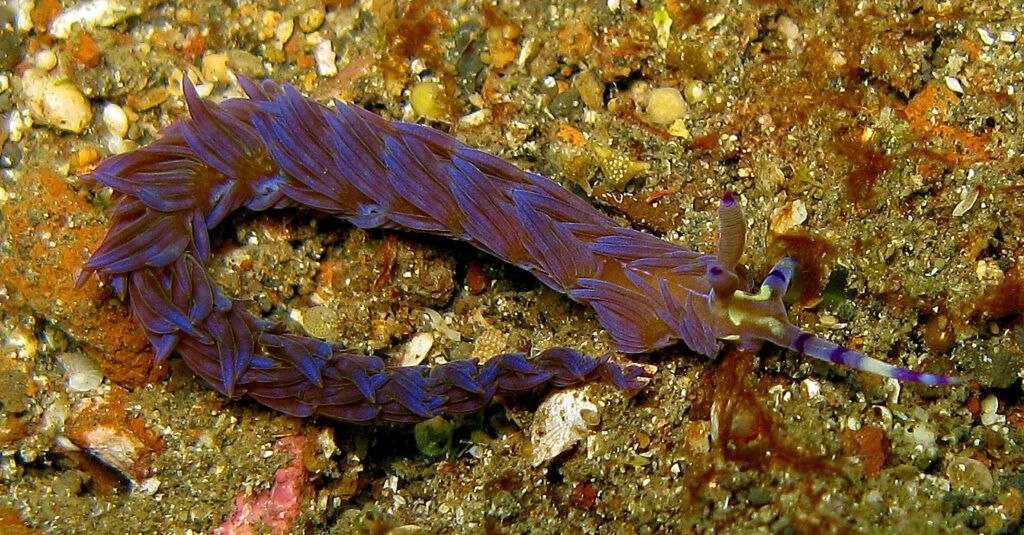
The blue coloration is not just for style, although it certainly delivers on that front. It is also camouflage. When viewed from above, the blue blends with the water. When viewed from below, the silver blends with the bright surface. This is the ocean’s version of a reversible jacket. The blue dragon is tiny, but it is not interested in being anyone’s snack, so it uses color to stay hidden. It is basically wearing the ocean’s most fashionable invisibility cloak.
Why the blue dragon’s size makes its powers even more impressive
The blue dragon is small enough to fit on your fingertip, although touching one is a terrible idea. Its sting can pack a punch, and it is not shy about using it. The fact that such a tiny creature can take down prey that is many times its size is one of the reasons it feels like a sorcerer. It is the classic underdog story, except the underdog is a flamboyant sea slug with a talent for biological theft.
Its small size also helps it float. The blue dragon spends its life drifting along the ocean’s surface, belly up, letting currents do the heavy lifting. It is the ocean’s chillest commuter. No frantic swimming. No complicated hunting strategies. Just vibes and occasional bursts of dramatic action when prey appears.
This lifestyle means the blue dragon is often found in warm waters around the world. It is a traveler, a wanderer, a tiny adventurer who lets the sea decide its itinerary. If it had a passport, it would be full.
A battle strategy that feels like ocean wizardry
The blue dragon’s approach to combat is surprisingly strategic. When it encounters a man o’ war or similar creature, it uses its cerata to grab and consume the tentacles. It is careful, deliberate, and oddly graceful. It knows exactly how to avoid getting stung while collecting the nematocysts it wants. It is like watching someone dismantle a booby‑trapped sandwich without getting mayonnaise on their shirt.
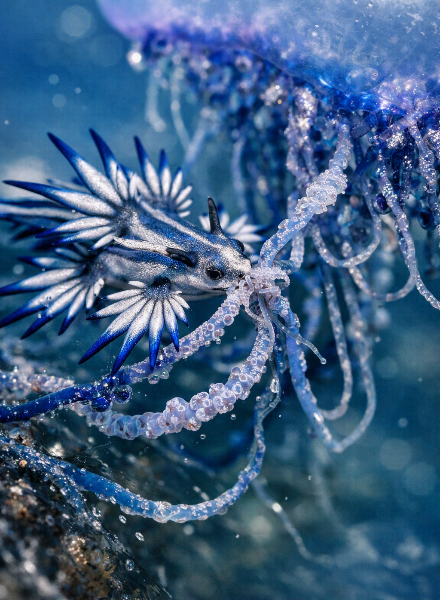
Once the nematocysts are stored, the blue dragon becomes a floating arsenal. Its sting can be more concentrated than the original creature’s because it selects the most potent cells and packs them together. This is the equivalent of someone eating a jalapeño and somehow ending up with ghost pepper powers. Nature really went wild with this one.
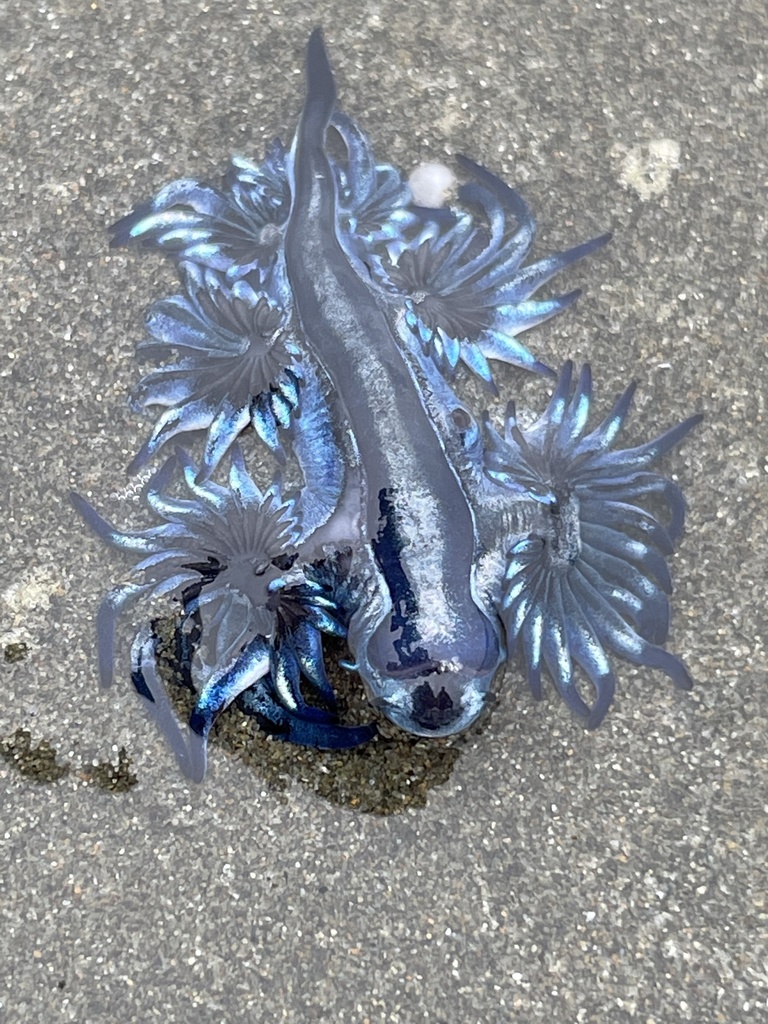
The blue dragon’s sting is strong enough to affect humans, which is why beachgoers sometimes get surprised when one washes ashore. It looks adorable. It looks harmless. It looks like something you might want to name and adopt. But it is carrying stolen weaponry, and it is not afraid to use it. Admire from a distance. Preferably a respectful distance.
Their role in the ocean’s ecosystem
Despite its dramatic flair, the blue dragon plays an important role in the ocean. By feeding on creatures like the man o’ war, it helps maintain balance in surface ecosystems. It is a tiny regulator, a drifting manager of stinging populations. Its presence reminds us that even the smallest creatures can have big impacts.
It also shows how interconnected ocean life can be. The blue dragon’s survival depends on its ability to use the defenses of its prey. It is a living example of how nature sometimes solves problems with creativity instead of brute force. Instead of evolving its own venom, it borrowed someone else’s. Instead of developing complex hunting strategies, it learned to float. Instead of hiding in reefs or sand, it embraced the open ocean.
The blue dragon is a reminder that the ocean is full of surprises. Some creatures hide. Some creatures blend in. Some creatures steal stinging cells and become tiny sorcerers. Variety is the spice of sea life.
Meeting a mythical creature
Seeing a blue dragon in person is rare. They are small, delicate, and often far from shore. When they do wash up, they look like little jewels scattered on the sand. People who find them often think they are harmless, which leads to unfortunate stings. The blue dragon is beautiful, but it is also armed. It is the ocean’s version of a deceptively cute fantasy creature that turns out to have a bite.
If you ever see one, the best thing to do is admire it like you would admire a piece of art. No touching. No scooping. No “I wonder what it feels like.” It feels like a sting. A very unpleasant sting. The blue dragon may be tiny, but it is carrying the concentrated firepower of a creature known for sending people to the emergency room.
Still, there is something magical about encountering one. It feels like the ocean is showing you a secret. A tiny sorcerer. A creature that looks like it should be in a storybook. A reminder that the world is full of wonders you might never expect.
Why the blue dragon captures our imagination
Besides the fact that it’s called a dragon, which captures imagination by default, part of the blue dragon’s charm is its combination of beauty and danger. It is visually stunning, with colors that seem almost unreal. It is biologically fascinating, with abilities that feel like they belong in a fantasy novel. It is tiny, yet powerful. Cute, yet deadly. Calm, yet dramatic.
It also represents the idea that size does not determine strength. The blue dragon is proof that even the smallest creatures can be fierce. It is a tiny sorcerer floating through the waves, armed with stolen magic and shimmering like a gemstone. It is nature’s way of saying that you should never underestimate something just because it looks adorable.
The blue dragon also reminds us that the ocean is still full of mysteries. We know a lot about marine life, but there are always new surprises waiting. Creatures like this nudibranch show us that evolution can be playful, creative, and occasionally a little chaotic. It is hard not to love that.
A final word from a dragon lover
he blue dragon is one of the ocean’s most enchanting creatures. It is small, beautiful, and equipped with powers that seem almost supernatural. It drifts through the waves like a tiny sorcerer, collecting stinging cells and turning them into weapons. It is a reminder that the ocean is full of magic, even if that magic sometimes comes with a sting.
If you ever find yourself daydreaming about fantastical creatures, remember that some of them are real. They are out there right now, floating along the surface of the sea, shimmering in the sunlight, and living their best tiny wizard lives. The blue dragon is one of them, and it is absolutely worth celebrating.
Supporting Autumnelf on Ko‑Fi helps fuel new essays, book projects, ocean‑life explorations, theatrical deep dives, and the creative quests that make Phantom Orca Quest a vibrant, multimedia experience.
Get Me a Spark of Magic