Indie Horror Finds Its Voice
There is something delightful about watching a tiny team with a shoestring budget make players scream louder than a blockbuster studio ever could. Indie horror has become the scrappy underdog of the gaming world, and it is winning hearts by doing what fear does best. It sneaks up quietly, taps you on the shoulder, and whispers something you absolutely did not want to hear. Then it laughs while you jump out of your chair.
Indie creators have figured out that horror thrives when it is personal. When it is weird. When it is atmospheric and experimental and just a little bit unhinged. The rise of indie horror is not just a trend. It is a full‑blown creative movement reshaping how we experience fear.
How Horror Atmosphere Became the Indie Secret Weapon
Atmosphere is the indie creator’s best friend. Without the budget for photorealistic monsters or giant set pieces, small studios lean into mood. They build tension with lighting, sound, pacing, and the uncanny feeling that something is wrong even when nothing is happening.
Atmosphere is the kind of horror that crawls under your skin. It is the flicker of a hallway light that makes you hesitate. It is the quiet hum of a refrigerator that suddenly sounds suspicious. It is the way a room looks normal until you notice one object that absolutely should not be there.
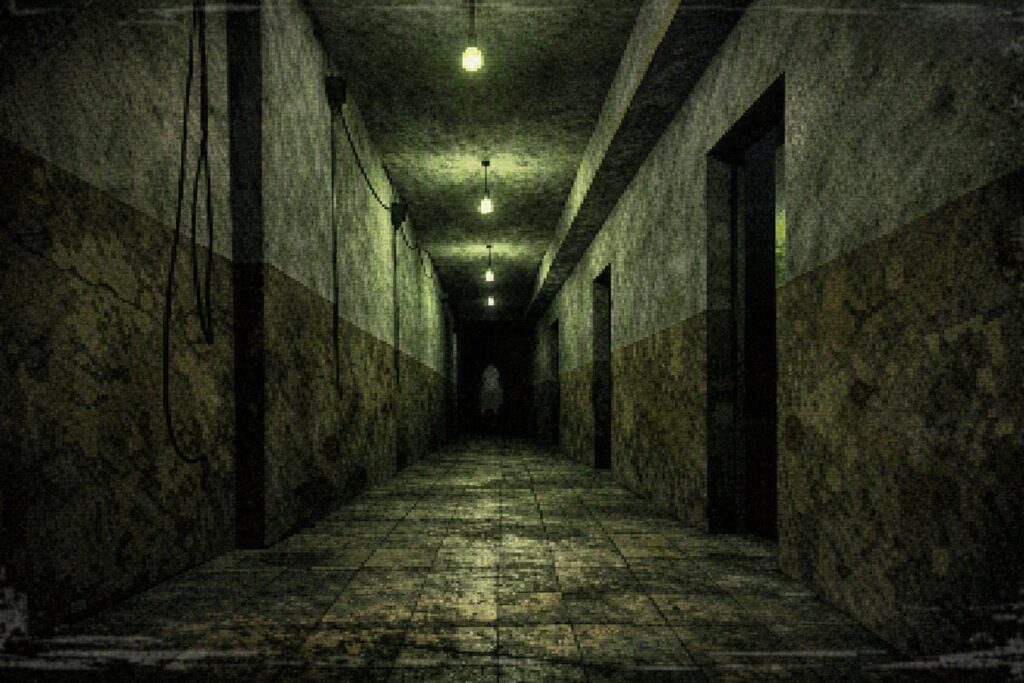
Indie developers excel at this because they are not afraid to slow things down. They let silence do the heavy lifting. They let shadows stretch a little too long. They let players stew in their own imagination, which is always more terrifying than anything a studio could render.
Atmospheric horror also gives creators room to experiment. They can play with surreal environments, dreamlike sequences, and minimalist spaces that feel more like nightmares than levels. When you are not tied to realism, you can make fear feel strange and intimate. You can make it feel like a whisper instead of a scream.
Storytelling That Makes Horror Personal
Indie horror storytelling has become a playground for emotional depth. Instead of relying on jump scares or shock value, small studios craft narratives that linger. They explore grief, guilt, memory, identity, and the uncomfortable corners of the human mind.
This kind of storytelling works beautifully in horror because fear is already a deeply emotional experience. When a game ties that fear to a character’s trauma or a mystery that unfolds slowly, players become invested. They are not just scared. They are curious. They want to understand what happened. They want to know why the world feels wrong.
Indie creators often use fragmented storytelling to heighten the tension. Notes scattered around a house. Audio logs that reveal too much. Environmental clues that hint at something terrible. These pieces come together like a puzzle, and players feel the dread build as they assemble the truth.
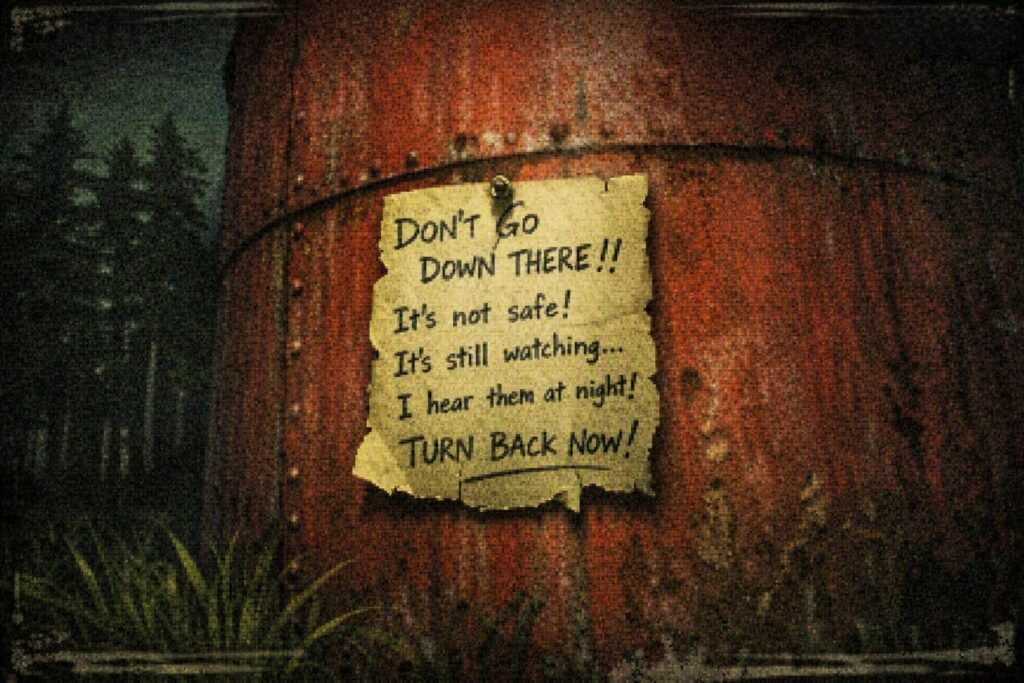
The best part is that indie horror does not need to explain everything. Ambiguity is a powerful tool. When a story leaves gaps, players fill them with their own fears. That is the magic of small‑studio storytelling. It trusts the audience to participate in the horror instead of passively consuming it.
Experimental Mechanics Give Horror Its Edge
One of the most exciting parts of indie horror is how experimental it has become. Without corporate oversight or the pressure to appeal to a mass audience, small teams can take risks. They can build mechanics that feel strange, unsettling, or completely new.
Some indie horror games play with perspective. Others distort time. Some use sound as a mechanic, forcing players to listen carefully for clues. Others use movement in ways that make players question their own instincts. When mechanics become part of the fear, the experience becomes immersive in a way traditional horror rarely achieves.
Experimental mechanics also allow creators to break rules. They can make players backtrack through familiar spaces only to find them subtly changed. They can introduce puzzles that feel more like psychological tests. They can design encounters that do not behave like enemies but still feel threatening.
This freedom leads to innovation. It leads to horror that feels fresh instead of formulaic. It leads to games that surprise players not with loud noises but with clever design choices that make them rethink how they interact with the world.
Horror Thrives When Constraints Become Creativity
Indie horror is a masterclass in turning limitations into strengths. Small budgets mean fewer assets, so creators focus on what matters. They refine atmosphere. They polish storytelling. They experiment with mechanics until they find something that feels unique.
https://creativecommons.org/licenses/by/4.0/(creativecommons.org in Bing)Constraints force creativity. When you cannot rely on spectacle, you rely on craft. You rely on subtlety. You rely on the player’s imagination, which is always the most powerful engine of fear.
This is why indie horror feels so different from mainstream horror. It is not trying to impress you with scale. It is trying to unsettle you with intention. Every detail is deliberate. Every moment is designed to make you lean forward, squint at the screen, and wonder what is waiting just out of sight.
The Community Behind Indie Horror
Indie horror has grown not just because of creators but because of the community surrounding it. Players love discovering small games that surprise them. Streamers love showcasing titles that make them scream in front of an audience. Word of mouth spreads quickly when a game is genuinely frightening or emotionally compelling.
This community support gives indie developers confidence to keep experimenting. It also creates a feedback loop where players encourage innovation. They celebrate weird mechanics. They appreciate slow‑burn tension. They champion games that take risks.
The rise of indie horror is a collaborative effort. It is a conversation between creators and players, each pushing the other toward new ideas. Fear becomes a shared experience, and that makes the genre feel alive.
https://creativecommons.org/licenses/by/2.0/(creativecommons.org in Bing)Horror Evolves When Creators Break the Mold
Indie horror is not just reinventing fear. It is redefining what horror can be. It is proving that small studios can create experiences that rival or surpass big‑budget titles. It is showing that creativity matters more than resources.
The genre has expanded because indie creators are willing to break the mold. They are willing to explore themes that mainstream studios avoid. They are willing to make players uncomfortable in ways that feel meaningful instead of gratuitous.
Horror evolves when creators take risks. Indie developers are leading that evolution by embracing the strange, the subtle, and the experimental. They are building worlds that feel personal and unsettling. They are crafting stories that linger long after the game ends. They are designing mechanics that make players question their own instincts.
This is the future of horror. Not bigger. Not louder. Just smarter, stranger, and more intimate.
Why Indie Horror Resonates So Deeply
Indie horror resonates because it feels honest. It feels handcrafted. It feels like someone poured their fears, dreams, and imagination into a project and invited players to experience it.
There is a charm to small‑studio horror that cannot be replicated by large teams. It feels raw. It feels vulnerable. It feels like the creator is whispering a secret directly to the player.
This intimacy makes the fear more potent. When a game feels personal, the horror becomes personal too. Players connect with the world, the characters, and the atmosphere. They feel the tension more deeply. They remember the experience long after it is over.
Horror’s Future Belongs to the Bold
The rise of indie horror is not slowing down. If anything, it is accelerating. More creators are entering the genre. More players are seeking out unique experiences. More studios are discovering that fear is a powerful storytelling tool.
The future of horror belongs to the bold. It belongs to the creators who experiment with mechanics, craft atmospheric worlds, and tell stories that feel intimate and unsettling. It belongs to the studios that embrace their limitations and turn them into strengths.
Indie horror is proving that fear does not need a massive budget. It needs creativity. It needs intention. It needs a willingness to explore the strange corners of the human mind.
And honestly, it needs a little bit of that goofy charm too. The kind that makes you laugh nervously before the next scare hits. The kind that reminds you horror is not just about fear. It is about curiosity, imagination, and the thrill of discovering something unexpected.
Horror’s Small Studios, Big Scares
Indie horror has earned its place in the spotlight by doing what the genre does best. It surprises us. It unsettles us. It makes us think. It makes us feel. It makes us jump, laugh, and occasionally question why we decided to play a spooky game at two in the morning.
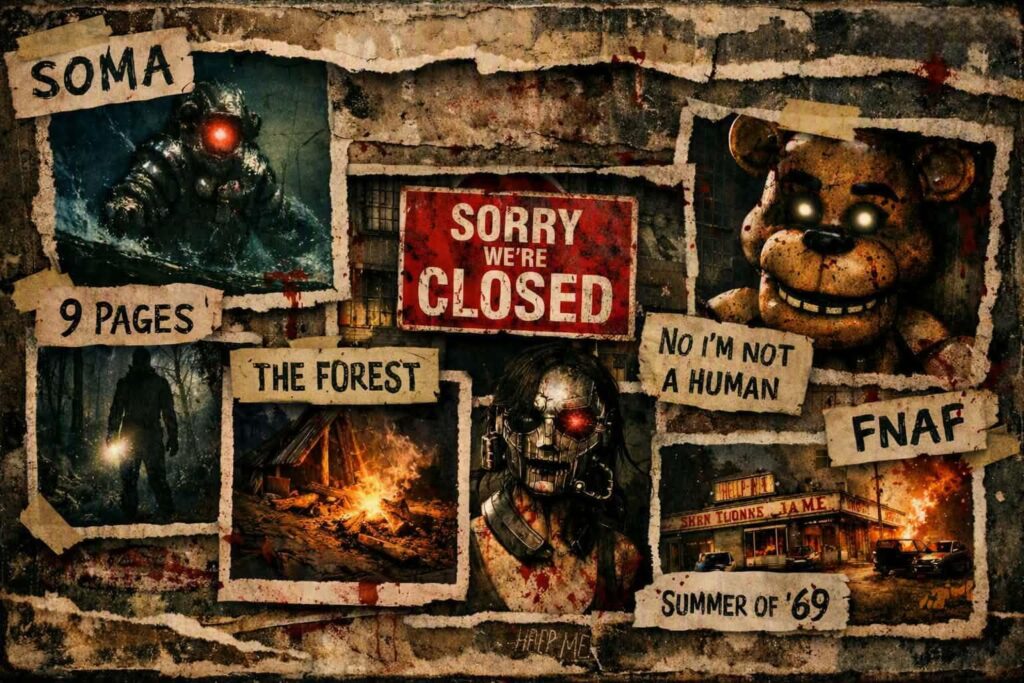
Small studios have proven that big scares come from creativity, not budget. They have reinvented fear with atmosphere, storytelling, and experimental mechanics. They have shown that horror thrives when it is personal, strange, and crafted with care.
The rise of indie horror is a celebration of imagination. It is a reminder that fear can be beautiful, emotional, and wonderfully weird. And it is proof that the future of horror is brighter, darker, and more exciting than ever.
Supporting Autumnelf on Ko‑Fi helps fuel new essays, book projects, ocean‑life explorations, theatrical deep dives, and the creative quests that make Phantom Orca Quest a vibrant, multimedia experience.
Get Me a Spark of Magic