A Ballroom of Black-and-White Drama
In the frozen courtrooms of Antarctica and the rugged amphitheaters of southern oceans, life’s great power plays are written not with gavel or scroll, but with a pebble. Penguins—nature’s tuxedoed comedians—capture our affection with their waddles and their charismatic capers. But beneath the comic exterior lies a world seething with intrigue, ambition, and a cutthroat drive for survival—a world where the right rock can win a lover’s heart and a nest’s pebble pile is guarded like a royal treasure. Welcome to the whimsical, yet scientifically rich saga of penguin nesting drama: “The Great Penguin Heist: Nest Theft & Pebble Politics.”

Here, we’ll dance through snowstorms with Adélies, bicker for the best stones with Gentoos, and observe the flipper-swinging feuds and tender pebble proposals that shape the destinies of penguin colonies from the Cape of Good Hope to the Antarctic heartland. Our story blends the lighthearted choreography of penguin romance with an undercurrent of biological necessity. Every bow, bray, and pilfered pebble adds to one of the most fascinating tales in animal behavior and social living.
Penguin Society: Drama in Black and White
Colony Life: The Social Orchestra
Imagine stepping onto the icy stage of a penguin rookery—a raucous city in monochrome, bustling with thousands, sometimes millions, of birds. Each turns the communal ice sheet into a symphony of squawks, brays, and pebbles clattering on stone. Penguin societies are intricate social systems, not unlike a grand, feathery ballroom dance. Territories, relationships, and survival itself hinge on each penguin’s ability to read the secret signals of the crowd, respond to the shifting chorus, and seize opportunity when it appears.
Penguin colonies function as both cooperative and competitive societies. In the heart of a king penguin colony, for example, the birds arrange themselves in loosely hexagonal patterns; the innermost residents are buffered from harsh winds and predation, while the outer circle faces greater risks—and more chances for a quick getaway or a pilfered pebble. The social web is dense: parents, chicks, would-be lovers, and scheming neighbors all shuffle through seasonal dramas where reputation, territory, and hierarchy play their part.
Key Features of Penguin Social Dynamics
- High-Density Living: Colonies range from hundreds to hundreds of thousands of individuals, amplifying both camaraderie and conflict.
- Social Hierarchies: Pecking orders emerge, with dominant birds often controlling the best nesting territory and the choicest mates, defended through posture, vocalization, and if necessary, flipper-slapping showdowns.
- Communication: Penguins rely on elaborate vocalizations and body language to maintain bonds, warn of threats, and identify mates or offspring in the throng.
- Mutual Defense: Group living enhances survival; while one bird steals a pebble, another may sound the alarm or, less altruistically, swoop in for a double heist.
In this realm, the line between ally and rival is as thin as a penguin’s flipper. Even the most endearing courtship bow can mask competitive undertones.
Mating Rituals: Love in a Pebble-Studded Landscape
Long before pebbles are lifted, love, lust, and logistical challenge fill the air. The penguin mating season, orchestrated to coincide with the brief southern summer or, for some hardy species, the brutal Antarctic winter, is as much a feat of timing as it is romance. Let’s peek behind the feathers at the main moves of penguin wooing.
The Ecstatic Display and Other Dances
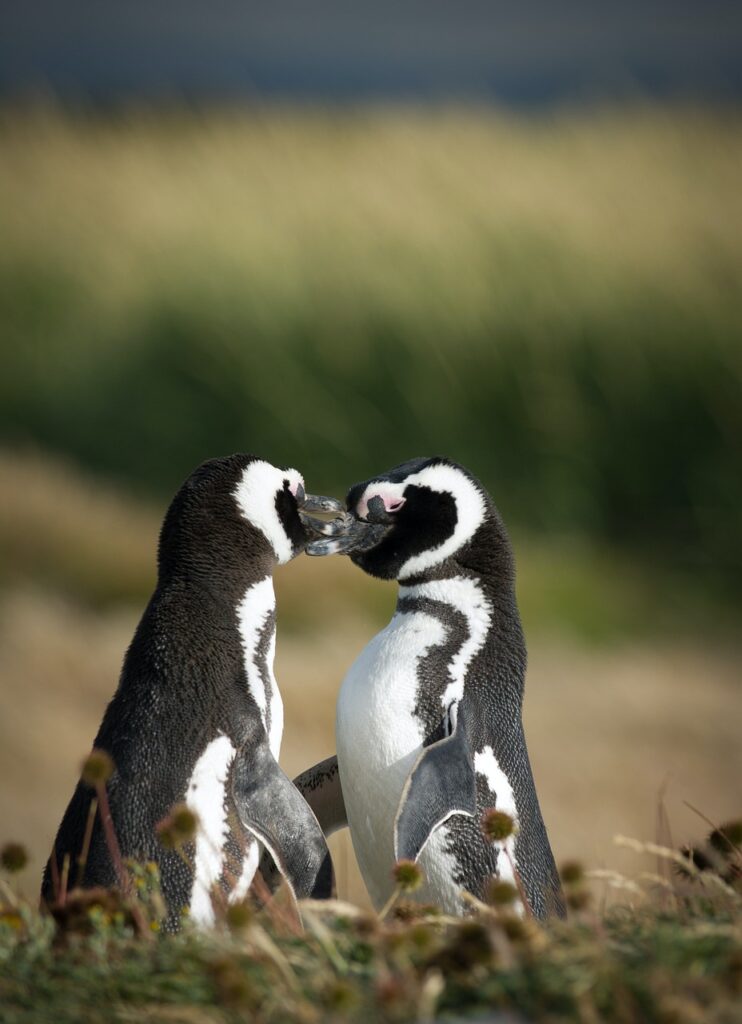
Each species of penguin has its own signature dance in the theater of love, but most start with a pageantry known as the “ecstatic display”—a combination of braying, head-swinging, bowing, and wing-flapping that proclaims readiness to the colony. Among Adélies and Gentoos, the male’s vocal fanfare can be heard across the cacophonous rookery, intended not only for a potential mate but also for rival males lurking nearby.
Pebble Proposals: The Penguin Engagement Ring
Perhaps the most charming—and mischievously strategic—act in all of penguindom is the choosing and gifting of the perfect pebble. Among species like the Adélie, Gentoo, and Chinstrap penguins, a prospective Casanova will comb the shoreline for a smooth, round, aesthetically pleasing stone, sometimes traveling long distances in pursuit of quarry worthy of courtship.
The ritual unfolds theatrically:
- The male presents the stone to his chosen female, bowing deeply—like a nervous bachelor on bended knee.
- If she is impressed (and in the world of penguins, practicality is as romantic as beauty), she accepts, placing the pebble in the nascent nest.
- Acceptance of the first pebble often means the relationship is “on,” and further stones will cement the bond as nest-building becomes a pair’s first act of teamwork.
Pebbles thus serve as both practical and social currency: the quality and quantity of stones on offer can strongly influence a female’s choice of partner. They are, in effect, the original engagement ring—simultaneously signaling resourcefulness, commitment, and an eagerness to help rear a future family.
The Gift that Keeps Giving
Courtship via pebble does not always end at proposal. Many penguins, particularly Adélies, continue to present pebbles throughout the breeding season, reinforcing fidelity and partnership as they shore up the nest against the elements—and against larcenous neighbors.
Nesting Behaviors: Pebbles, Baggage, and Ingenious Architecture
The Many Faces of Penguin Nests
With the vows exchanged, the hard work begins. Penguins are master builders—when materials allow. Across 18 species, nesting strategies vary as much as the environments penguins call home:
- Stone/pebble nests: Used by Adélie, Gentoo, and Chinstrap penguins; built on rocky terrain with mounds of carefully chosen stones.
- Burrows: Digging species like the African, Magellanic, and Humboldt penguins scrape out burrows in sand, guano, or under vegetation for protection against sun and predators.
- Open scrapes: Rockhoppers, Snares, and Erect-crested penguins use shallow depressions on the ground, lined with whatever debris they can scrounge.
- No-nesters: Emperor and King penguins simply balance their eggs atop their feet under a warm fold of skin—a marvel of adaptation to the total absence of building materials on the Antarctic ice.
Penguin Nesting Table
| Species | Nest Type | Main Materials | Unique Features/Challenges |
|---|---|---|---|
| Adélie | Pebble mound | Smooth stones | Intense competition, theft |
| Gentoo | Pebble + debris | Stones, grass, moss, feathers | Scrape on ground, fierce defense |
| Chinstrap | Pebble mound | Stones, sometimes bone/twigs | Aggressive territory defense |
| Emperor | No nest | Egg kept on feet, belly brood pouch | Huddling for warmth |
| African | Burrow | Guano, sand, vegetation | Critical loss of guano for burrowing |
| Rockhopper | Scrape/nest | Pebbles, grass, feathers | Nests on cliff ledges, hopping glory |
In each method, the aim is the same: raise eggs above cold, wet ground, shelter them from wind and water, and minimize predation. The stone nest, however, is the battleground for our tale of pebble politics.
Pebble Politics: From Love Tokens to Legal Tender
Anatomy of a Perfect Pebble
For the pebble-building penguins, not every stone will do. Males (and sometimes females) meticulously select pebbles that are:
- Smooth and rounded: To avoid puncturing eggs.
- Substantial in size: Enough for structural integrity, but not too large to carry in beak.
- Flat if possible: For better stacking and nest stability.
- Unavailable: The rarer the pebble, the higher its value in the colony’s social marketplace.
Penguins test pebbles with their beaks, rejecting many before finding “the one.” Color sometimes matters, and, in modern times, even small bits of human debris may get recycled into the nest if good stones are scarce—a testament to both adaptability and desperation.
Pebble Economics: Scarcity, Status, and the Art of the Heist
In certain colonies, suitable pebbles are in short supply. This creates a bustling micro-economy, where high-value rocks are prized and acquired by cunning as often as by industry. Here, pebble theft becomes both a survival strategy and a hilarious soap opera.
Highlight: The Adélie Pebble Wars
The Adélie penguin colony may look like an impenetrable sea of white and black, but look closer and you’ll spot a flurry of activity around every nest. Males jealously guard their pebble hoard, patrolling day and night and sounding the alarm at the faintest hint of a thief. Yet the allure of a perfect stone is irresistible:
- Strategic pilfering: Thieves stake out neighboring nests, waiting for the moment the owner departs to forage or preen. With practiced stealth, the criminal darts in and, with a quick beak maneuver, absconds with the treasure, often before the owner is any the wiser.
- Rival justice: Caught red-flippered, the thief faces a barrage of pecks and flipper slaps, sometimes joined by a vigilante chorus of the victim’s neighbors. In some cases, brawls can involve a dozen birds, each defending their own precious pile.
- Victimhood cycle: Former victims often become the most accomplished thieves, perpetuating an arms race of ever-escalating pebble security.
Research has shown that the intensity of nest defense correlates with the size and quality of the pebble mound; males invest more fiercely when the stakes—and the stones—are high.
Gender and Stone Theft
In many species, males are both the primary architects and the most aggressive thieves, gathering and stealing more (and larger) stones than females. Females, in turn, often suffer theft more frequently, but both sexes are adept in defense and subterfuge.
Territoriality and Social Status
The central regions of a penguin colony are better defended, and thus safer for pebble hoards, while the periphery is a den of thieves and opportunity. Residency at the center is a marker of status, reinforcing the notion that pebble wealth is both a reproductive asset and a symbol of social clout.
Species Showcases: Pebble Politics Across the Penguin Kingdom
Let’s meet some of the starring players in this icy caper and marvel at their quirky, resourceful, and sometimes riotous nesting habits.
Adélie Penguins: The Original Stone Bandits
The classic Adélie pebble courtship and theft cycle has been immortalized in natural history since the earliest Antarctic expeditions. Their elaborate stone nests, built from hundreds—sometimes thousands—of carefully selected (and often stolen) pebbles, are raised just high enough to keep eggs safe from meltwater and chilling ground. Ecologists have noted that every major feature of Adélie society converges on those precious stones: mate selection, mating displays, powering rivalry, and the ferocious defense that greets would-be robbers.
Behavioral studies have found that up to 70% of aggressive encounters during nesting season are precipitated by pebble theft. Larcenous Adélies are often talented at distraction tactics and rapid retreats—sometimes making off with more stones than a less wily nest builder could ever hope to gather by honest labor.
Gentoo Penguins: Fortress Builders and Fevered Defenders
Gentoo penguins build imposing nests of stones, moss, and feathers on open ground. Their pebble piles are lower but more sprawling than Adélies, and the birds are fiercely territorial, engaging in loud vocal and physical encounters over rock real estate. The Gentoo peanut gallery takes nest defense seriously; disputes over stones or territory can escalate swiftly into mass squabbles, with neighboring birds occasionally ganging up on a particularly aggressive or devious thief.
Gentoos may also incorporate plant material or detritus, adapting their construction to local conditions. The message is the same: a good nest means higher chances for chick survival and greater reproductive success.
Chinstrap Penguins: Pebble Politics on Display
Chinstraps, named for their helmet-like head markings, are perhaps the most aggressive of all. Nest defense is a full-time job, and pebble theft is akin to declaring war. Males, in particular, are notorious for their brazen approach, often stealing from neighbors in broad daylight and daring the victim to retaliate. Studies have revealed that nest quality (weight and composition) is directly correlated to chick survival, lending real stakes to the Stone Wars of Chinstrap society.
Chinstraps, too, exhibit gendered patterns: males collect and steal more pebbles, but both sexes are on guard, sometimes sleeping in a nap-deficient state for weeks at a time during the chaos of the breeding season—anything to keep their pebbles and eggs safe.
Rockhopper Penguins: Cliffs, Climbs, and Pebble Pugnacity
Rockhopper penguins, with their outrageous yellow head plumes and fiery red eyes, choose steep cliffs for their nests, adding an element of danger (and comedy) to the heist. They hop, rather than waddle, up and down rocky outcrops, gathering pebbles from precarious spots—often risking more than their dignity in pursuit of the perfect stone. Their nests are lined with pebbles, grass, and feathers, built for both insulation and dramatic effect. Despite fierce competition for the best building materials, rockhoppers are natural acrobats and even more natural bickerers, with nearly constant disputes and hilarious squabbles filling the colony air.
African Penguins: Adaptation and Domestic Innovation
African penguins nest in burrows dug into guano or under bushes, a strategy to lessen heat and predation risks in their sun-baked environment. Historically, thick layers of guano provided optimal burrowing substrate and temperature regulation, but decades of guano mining have forced many to nest in open scrapes or sand, leaving eggs vulnerable. Conservationists now deploy artificial nest “burrows” to help mimic the lost guano-formed homes and improve breeding success, a testament to how habitat loss can disrupt even the most steadfast pebble politics.
While pebble gifts are less central to the African penguin’s courtship, these birds still gather objects for nest lining and may indulge in low-stakes theft of twigs, plant matter, or beach debris. They are a reminder that pebble politics, though most prominent in Antarctica, have equivalents across the penguin world.
Emperor Penguins: The Pebble-Free Paterfamilias
No pebbles? No problem. Emperor penguins, breeding during the savage Antarctic winter, have evolved an ingenious solution. Eggs are balanced on the father’s feet and covered by a belly pouch for weeks or months, with males enduring extreme fasts and huddling together in vast, shifting, tightly packed groups for warmth—a testament to collective effort over construction skill.
Still, pecking order persists—dominant males jockey for spots at the center of the huddle, while any “heist” here is more about stealing warmth than stones. In this world, pebble politics give way to the politics of perseverance and paternal care.
The Chicks Are Alright: Parental Care and Chick Rearing
In the end, the object of all this pebble pilfering and posturing is the next generation. Penguins are legendary parents—super-parents, even—renowned for their steadfastness, cooperation, and creativity in adverse conditions.
Tag-Team Parenting
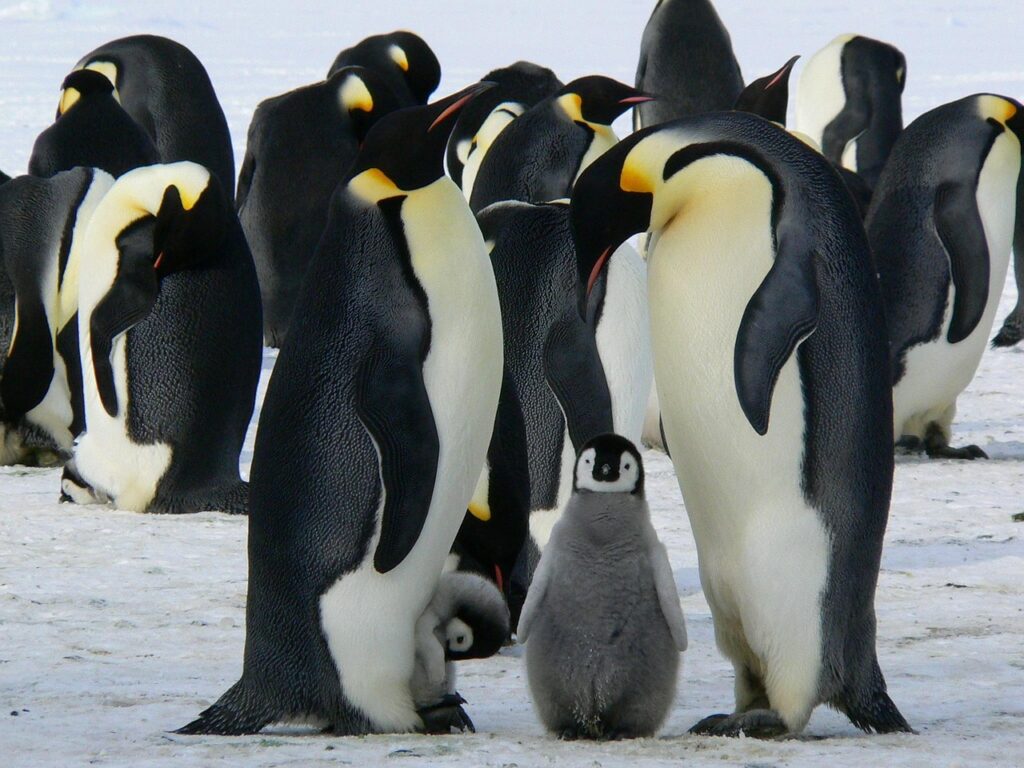
Almost universally, penguin pairs share parental duties: incubation shifts, chick feeding (through regurgitation—a delicacy for penguin chicks if not for us), and tireless protection against predators and the elements. After hatching, chicks are brooded for warmth and kept safe in well-built nests (or, for Emperors, on dad’s feet) until they’ve grown a sheltering coat of down.
As chicks grow, many species employ a crèche system: juveniles gather in communal groups, watched over by a handful of ever-alert adults while parents take turns foraging. This collective system gives chicks warmth, protection, and a launchpad for learning social cues—step one in becoming a cunning pebble thief or nest defender themselves.
Humor and Humanity: The Penguin Approach to Parenting
From teaching swimming to squabbling over food and nudging chicks towards independence, penguin parents model resilience, creativity, and a dash of slapstick. Species like King and Emperor penguins invest months of hardship and endurance into rearing a single chick, while Adelie and Gentoo parents hustle for enough stones and food to see twins through their perilous first weeks.
In times of stress—be it a surprise blizzard, a pebble heist gone wrong, or a food shortage—penguins show a remarkable ability to adapt, cooperate, and, occasionally, share a good natured peck with their chick or mate.
Defense, Aggression, and Flipper-Flying Humor
The Violent Side of Pebble Politics
Not all is cuddly in the quest for the perfect nest. Penguins, for all their comic waddle, can be formidable adversaries. Territorial disputes are resolved through loud braying, chest-puffing, flipper waving, and, if subterfuge fails, outright brawling. Even underworld pebble lords risk retribution: caught thieves may be mobbed by several birds, while persistent aggressors can incite colony-wide melees, with neighbors joining in vigorous defense of local pebble economies.
Within and between species, such conflicts are not mere farce; they are evolutionary arms races, shaping social structure, breeding success, and even adaptations for recognition and defense.
Comic Relief and Play Behavior
Despite (or perhaps because of) these high-stakes standoffs, penguins inject ample humor into colony life. Playful shoving in the water, chase games along the ice, and the classic belly-slide “tobogganing” are hallmarks of both adult and young penguins. Some researchers argue that these playful interactions help develop social skills, foster bonds, and test boundaries—essential preparation for survival and, years later, for that first fateful pebble proposal.
Even in their grumpiest moments, penguins remain irresistible emblems of nature’s wit and wisdom.
The Winds of Change: Environmental Challenges & Conservation
Fragile Habitats and Pebble Politics Under Threat
For all their strategic brilliance and comic charm, penguins are on the frontlines of global environmental change. Climate warming, melting sea ice, habitat loss, overfishing, and pollution all play havoc with the delicate balance of penguin societies.
Main Threats
- Climate Change: Loss of sea ice disrupts the timing of breeding, pebble availability, and nesting success, particularly for Emperor, Adélie, and Chinstrap penguins. In some years, whole colonies have lost eggs and chicks to sudden storms or rapid melt events.
- Food Shortage: Overfishing of key prey (e.g., anchovy, krill) means longer commutes for foraging adults, reduced chick survival, and increased nest abandonment in many populations.
- Habitat Encroachment: Guano mining, tourism, and invasive predators have degraded traditional nesting sites, most notably for the African penguin, whose reliance on burrowing has been shattered by the loss of guano beds.
Conservation Innovations: Artificial Nests and Pebble Guardians
Conservationists are fighting back with ingenuity worthy of a penguin. Artificial nest boxes—ceramic or fiberglass domes for African penguins, for example—offer shelter from sun, wind, and intense predation, boosting breeding success dramatically. In some colonies, people even bring in clean pebbles to bolster the short supply or remove invasive plants and debris that can trap or harm chicks.
International cooperation, marine protected areas, and continuous monitoring of pebble drama (and pebble heists) are integral to building a future that preserves both penguin comedy and survival.
The Human Connection
People are drawn into pebble politics not just as scientists or conservationists, but as fans and storytellers. From viral stories of same-sex penguin couples raising stolen eggs to zoo exhibits that allow children to watch the annual “rock wars,” these animals teach us about love, loyalty, conflict, and the shared destiny of community life.
Conclusion: Life’s Greatest Drama in a Flippered Costume
Beneath the slapstick exterior, penguin societies reveal all the richness, resourcefulness, and uproarious mischief of our own. Their pebble politics—by turns romantic and ruthless—teach us that every comedy hides a drama, and that behind every borrowed stone there is a story of survival, partnership, and hope.
As we watch these birds waddle, bow, and battle for the fate of a single pebble, we witness the intertwining of whimsy and wisdom, love and war, theft and generosity. The Great Penguin Heist is nature’s reminder that even in a world built on rivalry, community matters—and that sometimes, the small things, like a perfectly smooth stone, can have the greatest meaning of all.
Let the music of the colonies play on, may the pebble thieves be swift, the nest defenders vigilant, and may the wild, wonderful ballet of penguin life survive for generations to come.
Take a Pebble, Leave a Legacy
In the windswept world of penguin courtship, a single stone can spark romance, rivalry… or a full-blown heist. Whether you’re nesting for winter or plotting your own cozy caper, these Amazon finds channel the charm of tuxedoed thieves and pebble diplomats. From plush companions to icy accessories, each item is handpicked to honor the absurd elegance of penguin politics—and maybe inspire a little mischief of your own.
🛍️ A Note on Links
Some of the links below are affiliate links, which means I may earn a small commission—at no extra cost to you—if you choose to make a purchase. As an Amazon Associate, I earn from qualifying purchases. I only share items I genuinely believe support reflection, healing, or creative engagement.
Your support helps sustain this blog and the advocacy work behind it. Thank you for being here.
Alert the colony—pebble smugglers inbound. This charming Penguin Crossing sign adds a splash of Antarctic absurdity to any space, whether you’re marking your driveway, your game room, or the icy corridors of your imagination. Durable, weatherproof, and delightfully ridiculous, it’s the perfect warning for guests who might not be prepared for tuxedoed thieves and flippered flirtations.
Because in pebble politics, everyone’s a suspect.
Every heist needs a getaway accomplice—and this plush penguin is ready to waddle into your heart. With lifelike details and a cuddle-worthy build, it’s the perfect snuggle-sidekick for chilly nights, storytelling rituals, or dramatic reenactments of pebble theft.
But here’s the real twist: Wild Republic doesn’t just make adorable plushies—they support wildlife conservation and education efforts around the globe. So when you adopt this feathered friend, you’re helping protect the real-life colonies that inspired your favorite icy caper. And if 6″ is too small, you can find the 12″ Emperor Penguin Plushie here.
If you’re on the hunt for the ultimate penguin gift set—whether to woo a pebble-loving partner or surprise a fellow enthusiast of flippered mischief—this beautifully bundled package is a delight. It includes a penguin-themed tumbler for frosty sips, a matching keychain for everyday waddles, cozy socks to warm your feet like a huddle in the Antarctic, a pouch bag perfect for stashing pebbles or secrets, and even a greeting card to seal the sentiment. All of it arrives tucked inside a charming penguin-imprinted box, making it the perfect pebble to offer the penguin lover in your life.
Chill your drinks with a waddle of whimsy—this penguin-shaped ice cube tray turns every sip into a polar expedition. Flexible, easy to use, and undeniably adorable, it’s the perfect companion for cocktail capers or pebble-themed parties.
And finally, perfect for plotting your next pebble heist or jotting down flippered feelings, this hardcover penguin notebook is as charming as it is practical. With its sleek design and adorable cover, it’s ideal for journaling, sketching, or drafting your own Antarctic adventures—no nest theft required.