Raoul de Chagny has long been framed as the safe and healthy romantic alternative in Andrew Lloyd Webber’s The Phantom of the Opera. Audiences are encouraged to see him as the stable choice, the normal choice, the socially acceptable choice, and the antidote to the danger represented by Erik. Raoul is the handsome aristocrat with a familiar face and a familiar name. He is the childhood friend who returns at the exact moment Christine is thrust into the spotlight. He is the man who promises her a life free from fear. Yet when one examines his behavior closely, the narrative of Raoul as the safe option begins to unravel. What emerges instead is a pattern of paternalism, entitlement, and disregard for Christine’s autonomy. These traits are often overlooked because they are wrapped in privilege and charm, but they are present nonetheless. Raoul is not the villain of the story, but he is also not the healthy partner he is often assumed to be. His actions reveal a man who consistently prioritizes his own desires and his own sense of righteousness over Christine’s agency and emotional reality.
When I played Christine in a stage production of The Phantom of the Opera, I began to notice the cracks in Raoul’s supposed safety. Performing the role forced me to sit inside Christine’s fear, her hesitation, and the moments where her voice is overridden. Speaking those lines night after night made the dynamic impossible to ignore, and it shaped the argument I am making here. That said, let’s delve into the unhealthiness of Raoul De Chagny.
The first major example of this pattern appears in Act I during the reunion scene. This moment is frequently interpreted as sweet and nostalgic. Raoul recognizes Christine, recalls their childhood connection, and expresses delight at seeing her again. The staging and music encourage the audience to view this as a tender reconnection. However, the emotional tone of the scene shifts dramatically when one pays attention to Christine’s responses. When Raoul invites her out, she protests. She tries to decline. She expresses discomfort and attempts to set a boundary. Raoul does not listen. He does not pause to consider why she might be hesitant. He does not ask what she needs or what she is feeling. Instead, he pushes forward with his own plan and his own interpretation of the moment. He assumes that his desire to reconnect is more important than her clear signals of distress. This is not a romantic gesture. It is a dismissal of her autonomy.
Christine is in a vulnerable position at this point in the story. She is grieving her father, isolated from her peers, and under the psychological influence of a mysterious voice she believes to be the Angel of Music. She is frightened and confused, and she is trying to navigate a world that has suddenly become overwhelming. Raoul does not know the full extent of her situation, but he knows enough to see that she is not at ease. His failure to respect her boundary is not a harmless oversight. It is an early indication of a deeper issue. Raoul believes he knows what is best for Christine, and he acts on that belief without considering her perspective. This is not the behavior of a man who offers safety. It is the behavior of a man who assumes ownership over a moment that does not belong solely to him.
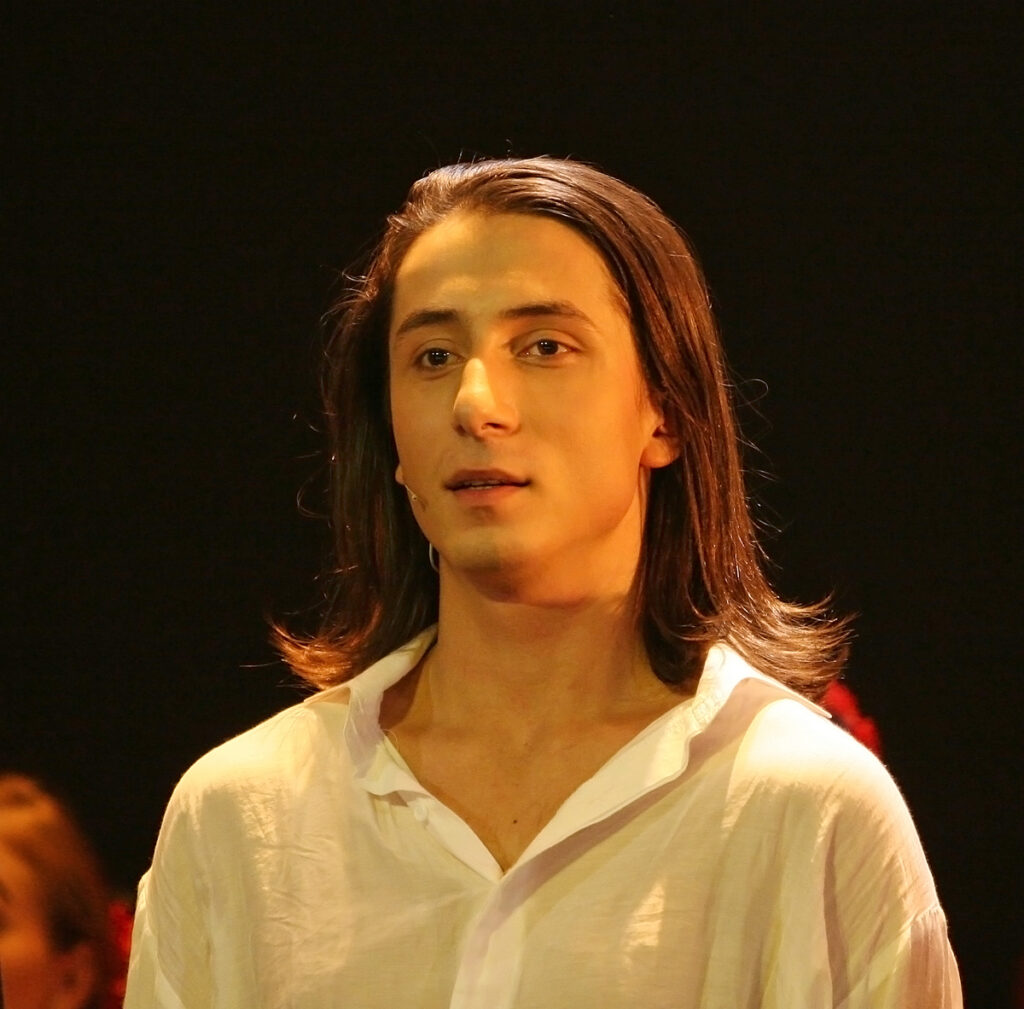
The second and far more serious example of Raoul’s disregard for Christine’s agency occurs in Act II when he decides to use her as bait to capture Erik. This moment is often defended as a necessary act of protection, but the details tell a different story. Raoul knows that Erik is dangerous. He knows that Erik has already committed murder. He knows that Erik is obsessed with Christine and has demonstrated violent possessiveness toward her. He knows that Christine is terrified of Erik and has repeatedly expressed fear for her life. Despite all of this, Raoul insists that Christine must participate in a plan that places her directly in harm’s way. He acknowledges her fear, but he minimizes it. He tells her that he understands she is afraid, but that she must do it because he does not want to. He frames the situation as if her fear is an inconvenience rather than a legitimate response to a real threat.
This is not protection. It is coercion. Raoul is not asking Christine to make a choice. He is telling her what her role will be. He is using her emotional vulnerability and her desire to trust him as leverage. He is placing her in danger because it aligns with his own strategy, not because it is the safest or most ethical option. Christine’s terror is not irrational. Erik has already proven himself capable of violence. Raoul’s plan is reckless and self serving, and it reveals a troubling belief that Christine’s body and emotions are acceptable sacrifices for his goal. A man who truly prioritizes a woman’s safety does not use her as a shield. He does not treat her fear as a secondary concern. He does not override her autonomy in a moment where her life is at stake.
The white knight trope plays a significant role in how audiences interpret Raoul’s actions. Raoul fits this archetype perfectly. He is privileged, wealthy, charming, and socially approved. He arrives with the intention of saving Christine from the darkness that surrounds her. The narrative structure of the musical encourages the audience to view him as the hero. However, the white knight trope has a darker side that is often ignored. It can mask entitlement and paternalism. It can create a dynamic where the man believes he is owed gratitude, affection, or compliance in exchange for his protection. It can lead to a situation where the woman’s voice is overshadowed by the man’s belief in his own righteousness.
Raoul’s behavior reflects this pattern. He assumes he knows what Christine needs. He makes decisions for her rather than with her. He treats her fear as an obstacle rather than a reality. He positions himself as her savior even when she does not want to be saved in the way he envisions. His actions are not rooted in mutual respect. They are rooted in a belief that he is the one who must take control. This belief is reinforced by his social status and by the narrative conventions of the story. Raoul is the acceptable choice because he fits the mold of the romantic hero. Yet when one examines his actions without the influence of that mold, the cracks become impossible to ignore.
It is important to acknowledge that Raoul is not a monster. He is not malicious. He is not intentionally cruel. He is, in many ways, a well meaning young man who genuinely cares for Christine. He has moments of tenderness and sincerity. He is not abusive in the way Erik is. However, this does not mean he is healthy. A man can be gentle and still override a woman’s autonomy. A man can be kind and still dismiss her fear. A man can be loving and still treat her as a supporting character in his own narrative. Raoul’s privilege shields him from scrutiny. His charm makes people overlook the red flags. His normalcy makes him seem safe. But safety is not determined by appearances. It is determined by behavior. Raoul’s behavior consistently shows that he values his role as Christine’s protector more than he values Christine’s voice.
Christine’s choices in the story are often framed as a binary between two extremes. On one side is Erik, the dangerous and unstable genius who has terrorized the opera house. On the other side is Raoul, the aristocratic childhood friend who offers her a life of stability. The narrative encourages the audience to view Raoul as the obvious choice. Yet this framing is deeply flawed. Christine deserves more than a choice between a violent man who cannot control his impulses and a privileged man who disregards her autonomy. She deserves a partner who listens to her, respects her boundaries, and values her emotional reality. Neither man in the story offers her that.
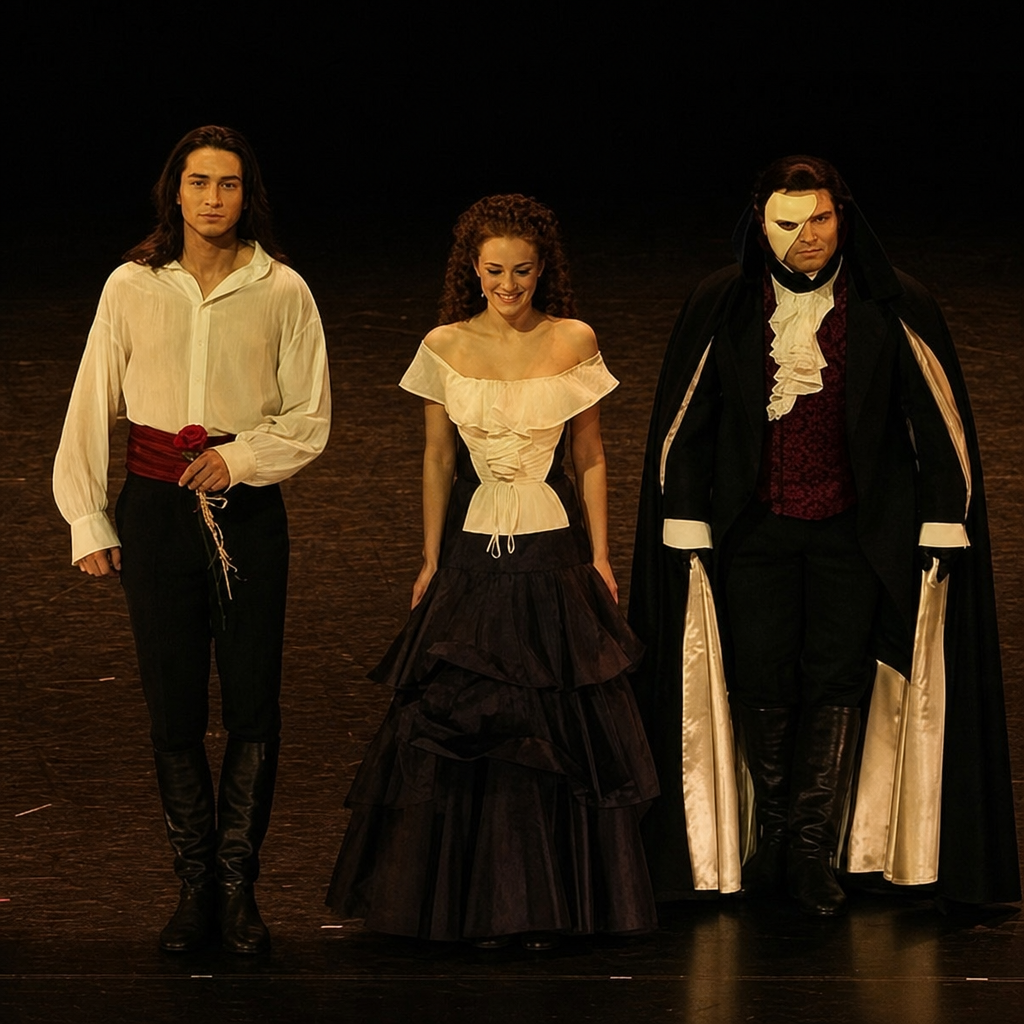
The tragedy of The Phantom of the Opera is not simply the tragedy of Erik’s unrequited love or Raoul’s desperate attempts to save Christine. It is the tragedy of a young woman who is never given the space to define her own desires. Christine is pulled between two men who both claim to know what is best for her. Erik demands her devotion through fear and manipulation. Raoul demands her compliance through paternalistic protection. Both men override her voice in different ways. The story is often interpreted as a romantic triangle, but it is more accurately a narrative about a woman struggling to assert her agency in a world that refuses to grant it.
Raoul’s role in this dynamic is often overlooked because he represents the socially acceptable form of control. His actions are framed as protective rather than possessive. His disregard for Christine’s autonomy is framed as concern rather than entitlement. His coercion is framed as heroism. This framing is dangerous because it reinforces the idea that a man who appears safe must be safe. It encourages audiences to equate privilege with stability and charm with respect. It obscures the reality that the white knight can be just as controlling as the villain, only in a more palatable form.
When one strips away the romantic framing, Raoul’s actions reveal a pattern that should not be ignored. He ignores Christine’s boundaries in Act I. He coerces her into a dangerous plan in Act II. He consistently prioritizes his own perspective over hers. He believes he knows what is best for her, and he acts on that belief without considering her autonomy. These behaviors are not the foundation of a healthy relationship. They are warning signs. They are indicators of a dynamic where one partner holds power over the other, even if that power is exercised with good intentions.
Raoul de Chagny is not the villain of The Phantom of the Opera, but he is also not the hero he is often assumed to be. He is a young man shaped by privilege and by a narrative that rewards men for saving women rather than respecting them. His actions reveal a pattern of entitlement and paternalism that undermines Christine’s agency. He is not evil, but he is not safe. He is not malicious, but he is not healthy. He is a reminder that the white knight trope can be just as harmful as the monster in the shadows. The danger is not always in the man who threatens violence. Sometimes it is in the man no one thinks to question.