Musicals are one of the most passionate and expressive art forms ever created. They inspire devotion, spark lifelong fandoms, and create communities that feel like extended families. Yet for every person who adores musical theater, there is someone else who reacts with a full body shudder at the idea of characters suddenly singing their feelings. The divide is real and surprisingly emotional. People do not simply dislike musicals. Many people truly hate them. They avoid them. They roll their eyes at them. They insist they are unrealistic, silly, or embarrassing.
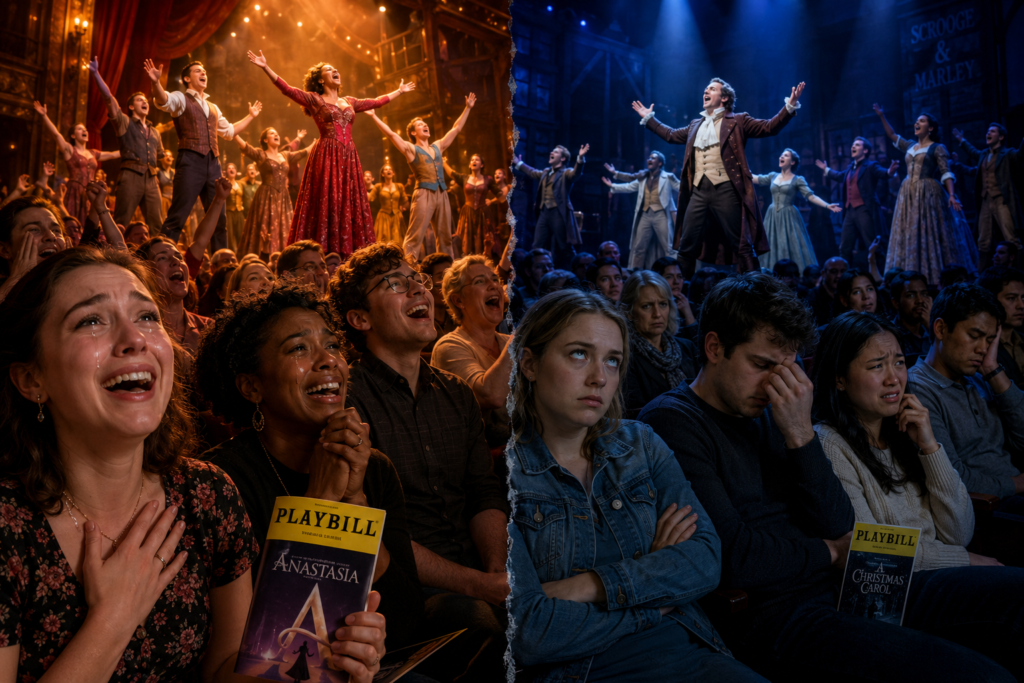
Why does this happen? Why does musical theater, more than many other art forms, provoke such strong reactions? The reasons are layered and deeply human. They come from childhood experiences, cultural expectations, gender norms, sensory preferences, and the way our brains process storytelling. Understanding the resistance to musicals tells us something meaningful about how people relate to emotion and art.
Let us take a warm and thoughtful walk through the world of musical theater and the people who want nothing to do with it. Not to judge them, but to understand them.
The Shadow of Old Movie Musicals
Many people who dislike musicals grew up with the classic Hollywood films of the forties, fifties, and sixties. These movies were colorful, campy, and often disconnected from reality. Characters danced on rooftops, sang to barn animals, and burst into perfectly synchronized routines in the middle of a street. For some viewers, this was magical. For others, it was baffling.
If your earliest exposure to musicals was something like Oklahoma, you might have walked away thinking musicals were strange or nonsensical. Oklahoma is beloved, but it is also a story where a cowboy sings to the sky about a beautiful morning and everyone around him behaves as if this is perfectly normal. For a child who preferred grounded stories or subtle performances, this could feel alien.
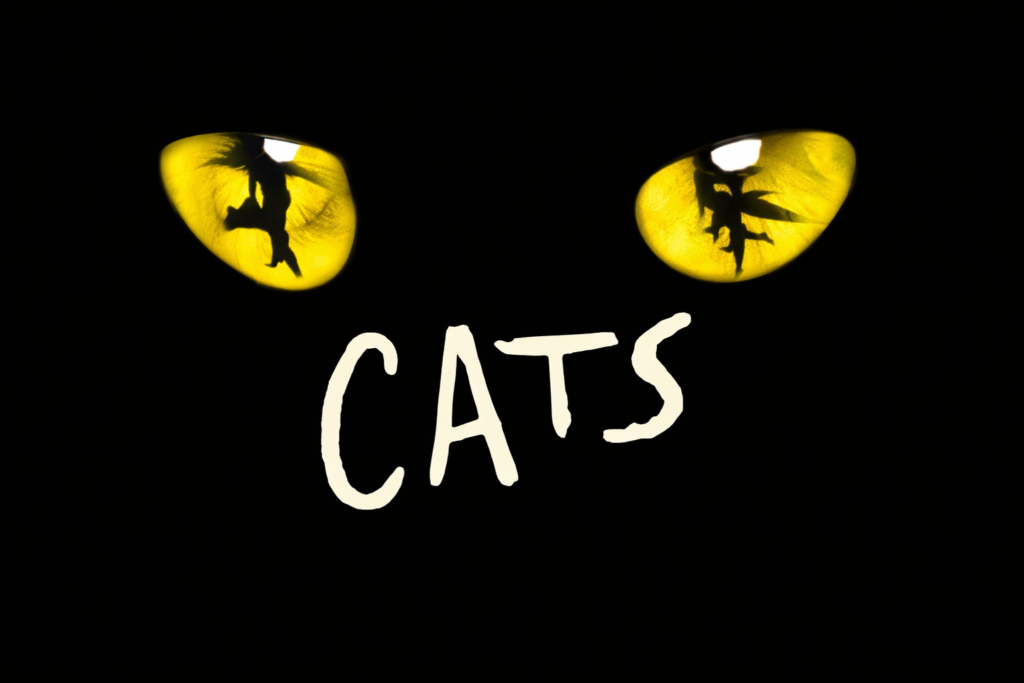
And then there were the musicals that pushed the boundaries of plot even further. Cats is a perfect example. For many people, Cats was their first encounter with a musical that seemed to have no plot at all. A group of cats introduce themselves one by one, sing about their personalities, and then one of them ascends to the Heaviside Layer. For some viewers, this was enchanting. For others, it was the moment they decided musicals were not for them.
The Pirates of Penzance is another classic that confuses newcomers. It is witty and charming, but it is also a whirlwind of absurdity. A pirate apprentice who was mistakenly apprenticed because his nurse misheard the word pilot. A leap year birthday that complicates his age. A group of policemen who sing about their own cowardice. For someone who prefers straightforward storytelling, this can feel like chaos.
These early impressions matter. If someone’s first experience with musicals was a confusing or campy one, that impression often sticks. Even as modern musicals have evolved into complex and emotionally rich works, the old stereotype lingers. People assume all musicals are like the ones they saw decades ago. They never give the new ones a chance.
The Fear of Unrealism
One of the most common complaints about musicals is that they are unrealistic. People do not burst into song in real life. They do not express their feelings through elaborate choreography. They do not harmonize with strangers in the street. For some viewers, this is a delightful escape. For others, it is a deal breaker.
This reaction is rooted in a psychological preference for realism in storytelling. Some people want art to reflect the world as they know it. They want characters who behave like real humans. They want dialogue that sounds natural. They want emotions expressed through subtle gestures rather than soaring ballads.
When a musical breaks the rules of realism, it can feel jarring. Instead of being swept up in the emotion of a song, some viewers become hyper aware that they are watching something artificial. Their brain says this is not how people behave and the spell is broken.
This is not a flaw in the viewer. It is simply a difference in how people process narrative. Some people love metaphor and heightened expression. Others crave grounded authenticity. Musical theater leans heavily toward the former, which means it will never resonate with everyone.
The Flash Mob Effect
There is a specific kind of discomfort that musicals trigger in some people. It is the same discomfort that flash mobs trigger. A group of people suddenly performing in public can feel embarrassing or intrusive. Even when the performance is joyful, some viewers experience secondhand embarrassment.
This reaction is tied to social anxiety and the fear of standing out. Many people spend their lives trying not to draw attention to themselves. They avoid public displays of emotion. They avoid anything that might make them look foolish. So when they see characters on stage or screen doing the exact opposite, it creates tension.
Musicals ask the audience to embrace vulnerability. They ask us to accept that emotions can be loud and expressive. They ask us to believe that singing your heart out is a valid way to communicate. For people who have been taught to keep their feelings quiet, this can feel deeply uncomfortable.
The word cringe gets thrown around a lot. But cringe is really just a reaction to vulnerability. When someone is openly emotional, it can make others feel exposed. Musicals are full of emotional exposure. Not everyone is ready for that.
The Gendered Stigma
Musical theater has long been coded as a feminine art form. It is associated with emotion, beauty, drama, and expressive performance. These qualities are often unfairly labeled as feminine in many cultures. As a result, some men grow up believing musicals are not for them.
This is not because musicals are inherently feminine. It is because society teaches boys to avoid anything that looks emotional or expressive. Singing is emotional. Dancing is expressive. Theater is dramatic. All of these things clash with traditional expectations of masculinity.
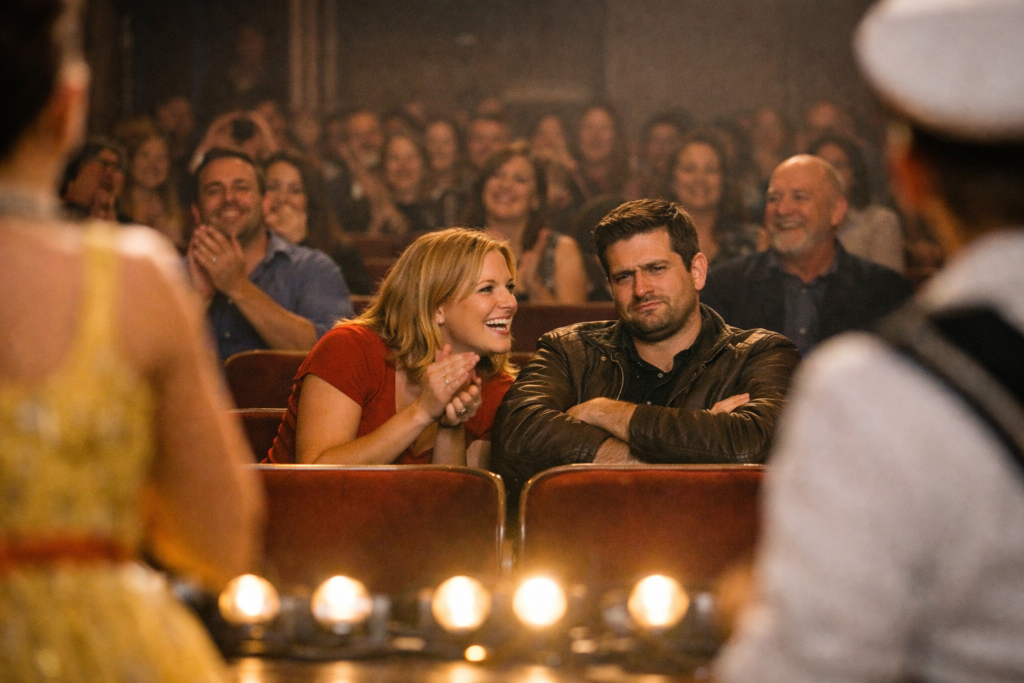
So when a man says he hates musicals, sometimes he is really saying he has been taught to avoid anything that might make him look soft. He has been taught that enjoying a musical is embarrassing. He has been taught that art which centers emotion is not masculine.
This stigma hurts everyone. It keeps people from exploring art that might move them. It reinforces narrow ideas of gender. It creates a cultural divide where musicals are dismissed not because of their quality, but because of outdated stereotypes.
The Discomfort with Singing
Some people simply do not like singing. They do not enjoy doing it. They do not enjoy hearing it. They do not enjoy watching others do it. This is not a moral failing. It is a sensory preference.
Singing is a very specific kind of sound. It is emotional, loud, and often unpredictable. For people who prefer calm or controlled environments, singing can feel overwhelming. For people who are sensitive to noise, it can be physically uncomfortable.
There is also a psychological element. Singing is one of the most vulnerable things a person can do. When someone sings, they reveal something raw about themselves. Some people find this beautiful. Others find it uncomfortable to witness.
If someone dislikes singing in general, musicals will never be their thing. And that is perfectly fine.
The Theater Problem
Some people do not hate musicals. They hate theater. They dislike the stage. They dislike live performance. They dislike the feeling of being in an audience. They dislike the heightened acting style that theater often requires.
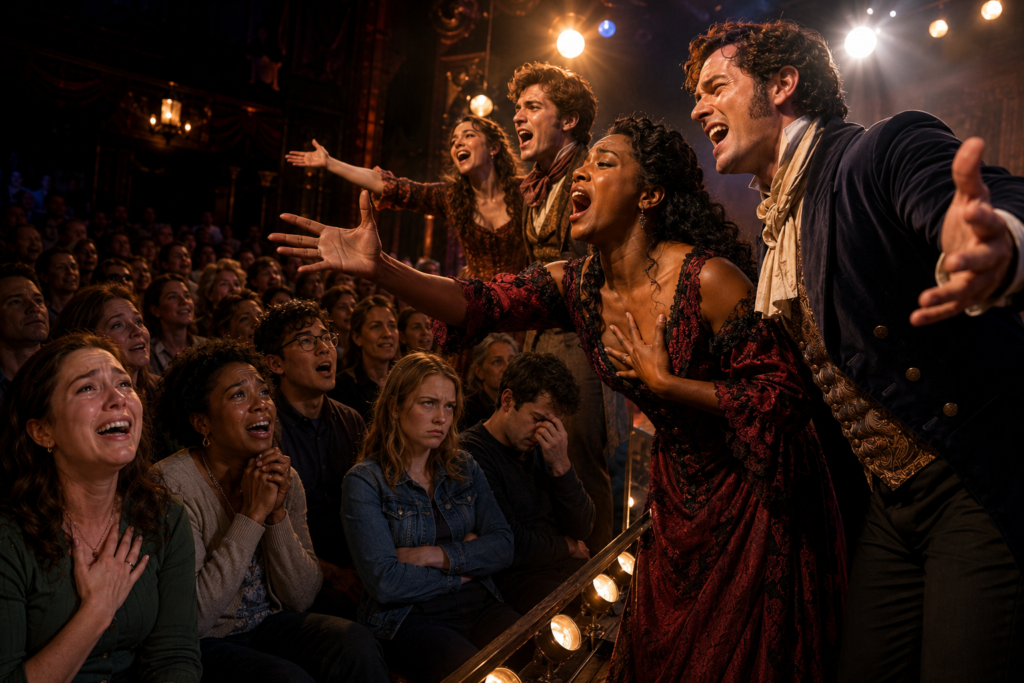
Theater is a very specific art form. It is big. It is expressive. It is designed to reach the back row. For people who prefer subtlety, theater can feel exaggerated. For people who prefer film, theater can feel artificial. For people who prefer solitary experiences, theater can feel overwhelming.
If someone dislikes theater as a whole, musicals are simply caught in the crossfire.
The “Too Fake” Argument
Musicals are not trying to be realistic. They are trying to be emotional. They are trying to be symbolic. They are trying to express the inner world of characters in a way that dialogue alone cannot.
But if someone values realism above all else, musicals can feel fake. The sets look artificial. The acting is heightened. The songs are stylized. The entire world of a musical is built on metaphor.
Some people love metaphor. Others want literal truth. Neither preference is wrong. They are simply different ways of engaging with art.
The Psychology of Musical Hate
So what is the deeper psychological thread that ties all these reasons together? It comes down to emotional comfort and the way people are taught to process feelings.
Musicals are emotional by design. They are expressive. They are vulnerable. They ask the audience to feel things openly and without apology. They ask the audience to suspend realism and step into a world where emotions are not only spoken but sung. They ask the audience to accept that a character’s inner life can spill outward in melody. For some people, this is liberating. For others, it is terrifying.
People who dislike musicals often dislike emotional exposure. They dislike unpredictability. They dislike art that breaks the rules of realism. They dislike anything that feels embarrassing or vulnerable. When a character sings, it is not just a plot device. It is a moment of raw emotional honesty. And for many people, that level of honesty feels uncomfortable.
There is a psychological concept called emotional regulation. It refers to the strategies people use to manage their feelings. Some people regulate by expressing emotions outwardly. Others regulate by containing them. Musicals belong to the first category. They are outward, expressive, and unrestrained. People who regulate inwardly can feel overwhelmed by that. They may interpret expressive emotion as chaos or loss of control.
Musicals also challenge social norms. Many cultures teach people to keep their feelings quiet, especially in public. Singing is the opposite of quiet. It is bold. It is exposed. It is impossible to hide behind. When a character sings, they are not just expressing emotion. They are amplifying it. They are making it impossible to ignore. For someone who has been taught to minimize their feelings, this can feel like a violation of an unspoken rule.
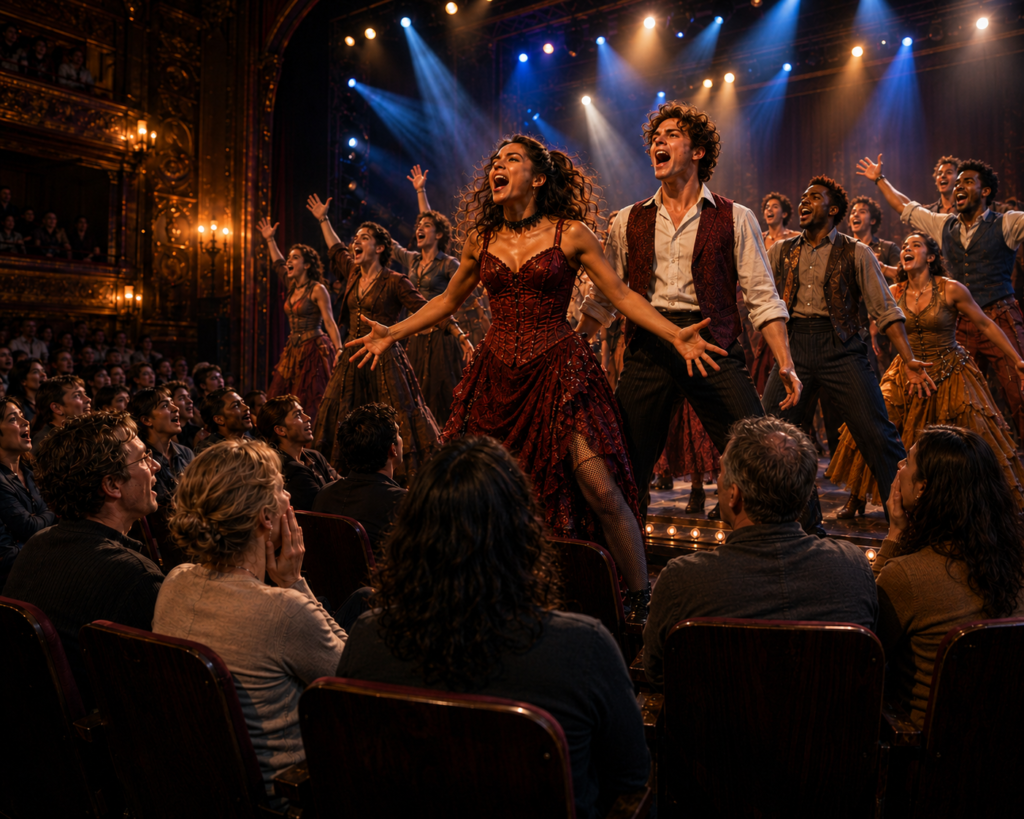
There is also the matter of narrative safety. In most forms of storytelling, the audience knows what to expect. Characters speak. They act. They react. The world follows predictable rules. Musicals disrupt those rules. A scene can shift into song without warning. A quiet moment can explode into choreography. A character can reveal their deepest fear in a way that is impossible to interrupt or soften. This unpredictability can feel threatening to people who prefer stable, grounded narratives.
Another psychological factor is secondhand vulnerability. When someone sings, they are taking a risk. They are exposing themselves. They are opening a door to judgment. Some audience members feel that vulnerability as if it were their own. They cringe not because the performance is bad, but because the act of singing itself feels too intimate. It is like watching someone read their diary aloud. Even if the diary is beautifully written, the intimacy can feel overwhelming.
Musicals also require a specific kind of empathy. They ask the audience to understand emotion not just through words, but through sound, rhythm, and movement. Not everyone connects with emotion that way. Some people understand feelings through logic. Some through quiet conversation. Some through subtle facial expressions. Musicals communicate emotion through heightened expression. If that is not a person’s emotional language, the message can feel foreign.
There is also a cultural layer. Many people grow up in environments where emotional expression is discouraged. Boys are told not to cry. Girls are told not to be dramatic. Adults are told to be composed. Musicals break all of those rules. They celebrate drama. They celebrate tears. They celebrate joy that is too big to speak. For someone who has spent their life suppressing emotion, this can feel like standing in a room where everyone is shouting. It is not that the shouting is wrong. It is that the person has never been taught how to join in.
Musicals challenge emotional boundaries. They challenge cultural norms. They challenge the idea that feelings should be quiet. They challenge the belief that vulnerability is weakness. They challenge the assumption that art must imitate reality. Not everyone is ready for that challenge. And that is not a flaw. It is simply a reflection of how differently people experience emotion.
At the heart of musical theater hate is not a dislike of singing or dancing. It is a discomfort with emotional openness. Musicals are built on the belief that emotions deserve to be heard. They are built on the idea that feelings can be beautiful. They are built on the hope that people can connect through song. For some people, that is a gift. For others, it is a boundary they are not ready to cross.
And that is the psychology behind it.
A Gentle Closing Thought
Musicals are built on the belief that emotions deserve to be heard. They are built on the idea that feelings can be beautiful. They are built on the hope that people can connect through song.
Some people embrace that. Some people resist it. Both reactions are valid.
But if you ever find yourself wondering why musicals inspire such strong feelings, remember this. Musicals ask us to feel openly. Not everyone has been taught that it is safe to do so.
And that is the heart of it.
But for those of you who do love musicals — who feel at home in the world of overtures and spotlights — there are gentle, welcoming ways to share that love with the people in your life who aren’t quite sure yet. Below are a few small, low‑pressure things that can help open the door without pushing it.
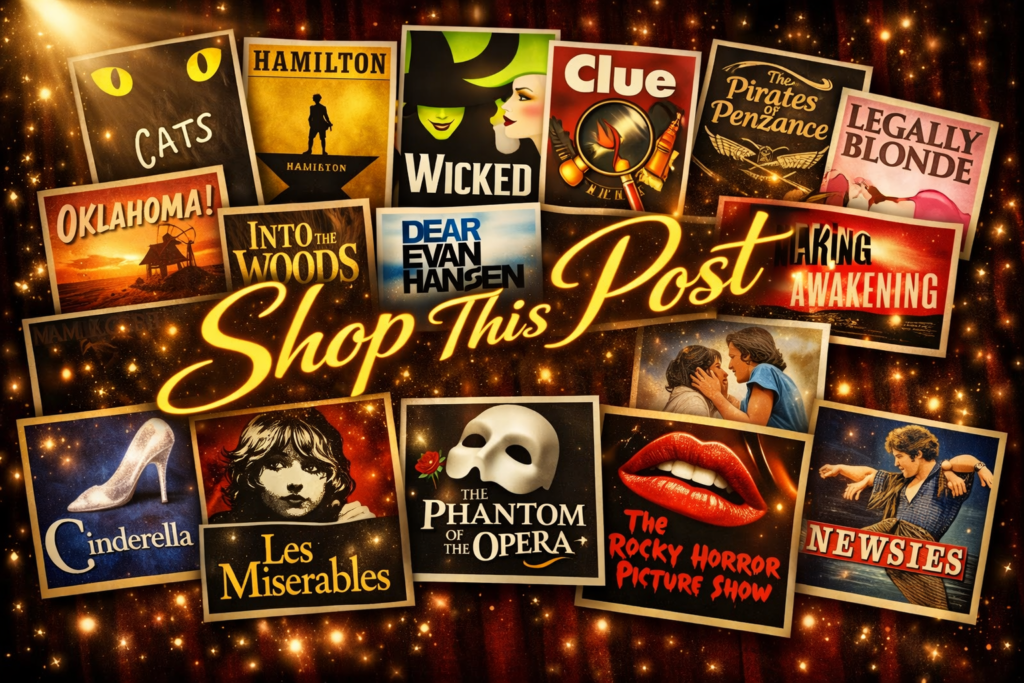
Don’t wait until the next revival to start your musical journey. This poster sells out fast, and once it’s gone, your bucket‑list bragging rights go with it. Grab it before the last show scratches off without you.
Game nights get chaotic in the best way, but this deck disappears quickly. Snag it now before every theatre kid on TikTok claims the last box.
Cards Against Humanity: Theater Pack
This pack drops in and out of stock like a cursed tech rehearsal. If you want the unhinged, theatre‑kid version before it vanishes again, grab it while it’s still on the stage.
“I’m Not Yelling, I’m Projecting!” Tote Bag
These totes go faster than opening‑night tickets — if you want the one that screams ‘theatre kid’ without saying a word, snag it before the next cast steals them all.
Musical Theater for Beginners Book
If you’ve been meaning to introduce someone to musicals “someday,” this is your sign. This guide sells out often, and the next restock won’t wait for your big emotional breakthrough.