Press play for the full manatee‑vibes reading experience.
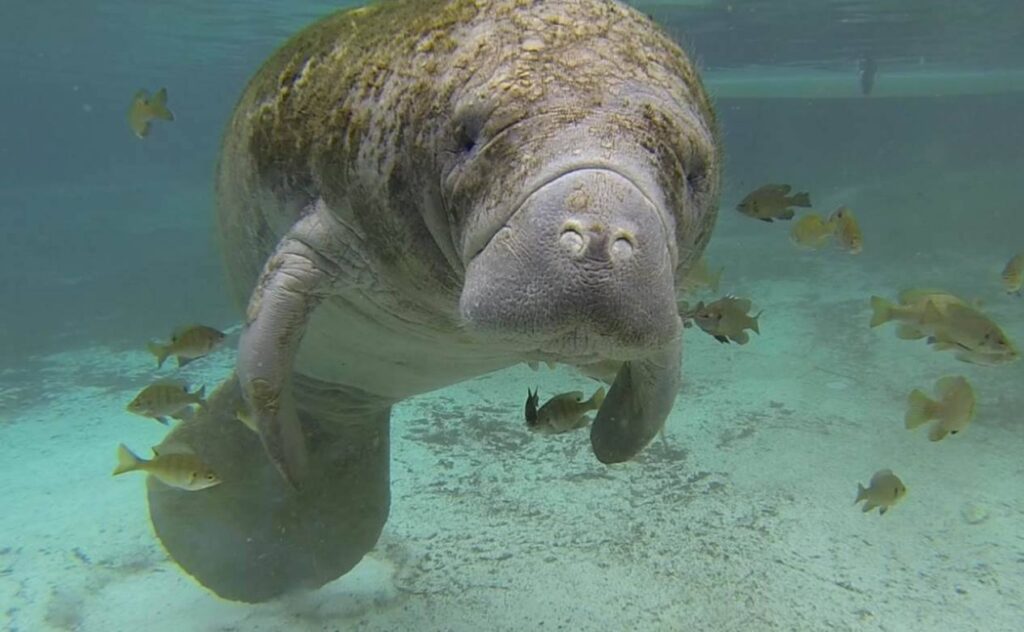
If the ocean had a mascot for calmness, it would be manatees. These large, round, unhurried beings drift through coastal waters like living marshmallows, radiating a kind of serene confidence that says, “I’ll get there when I get there, and I’ll look adorable doing it.” They are the gentle giants of the sea, beloved by marine biologists, tourists, and anyone who has ever needed a reminder to slow down.
Manatees have a way of capturing hearts without even trying. They don’t leap from the water like dolphins or sing haunting melodies like whales. They simply exist with a quiet charm that feels almost therapeutic. Watching a manatee glide along is like watching a cloud decide to go for a swim. It’s peaceful, it’s wholesome, and it’s a little funny in the best possible way.
Despite their popularity, many people know surprisingly little about them. They’re often mistaken for sea cows, which is technically correct but doesn’t quite capture the full picture. They’re also frequently assumed to be lazy, which is unfair. They’re not lazy. They’re energy efficient. There’s a difference, and manatees would appreciate the clarification.
This blog post dives into the world of manatees with warmth, humor, and a healthy dose of marine science. By the end, you’ll understand why these gentle giants deserve every bit of admiration they get and why they’re one of the ocean’s most endearing residents.
What Exactly Is a Manatee
A manatee is a large aquatic mammal belonging to the order Sirenia, which already sounds regal enough to suit them. They share this order with dugongs, their slightly more streamlined cousins. Manatees themselves come in three species: the West Indian, the Amazonian, and the African. Each one has its own quirks, but all share the same signature vibe of “I’m just here to float and snack.”
Their bodies are rounded and smooth, shaped like a giant potato that decided to become hydrodynamic. Their paddle-shaped tails help them move with surprising grace, even though their overall appearance suggests they might struggle to fit through a doorway. Their faces are perhaps their most charming feature, with whiskered snouts and soft, curious eyes that make them look like they’re always on the verge of asking if you’ve eaten enough today.
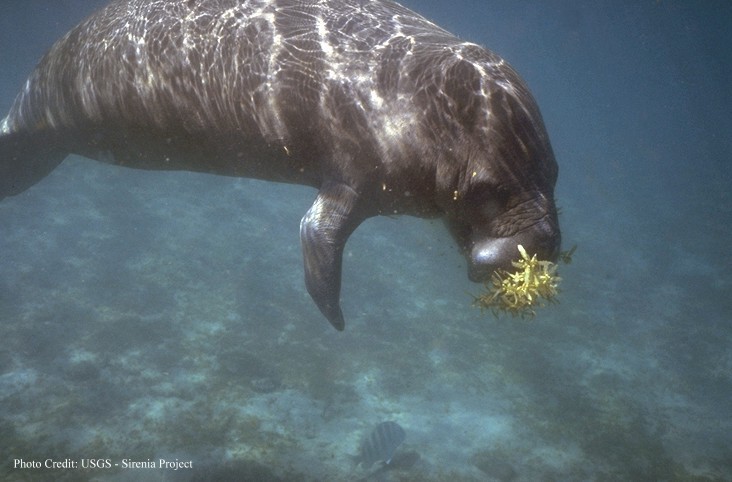
Manatees are herbivores, spending much of their time grazing on seagrass and aquatic plants. This diet requires them to eat a lot, which is understandable when you consider that they can weigh more than a grand piano. Their constant grazing also plays an important ecological role by keeping seagrass beds healthy and preventing overgrowth.
They’re warm-blooded but not particularly well insulated, which is why they seek out warm waters during colder months. This preference has led to some unusual winter hangouts, including power plant outflows where the water stays toasty. It’s not glamorous, but manatees are practical creatures. If the water is warm, they’re in.
The Surprisingly Social Life of Manatees
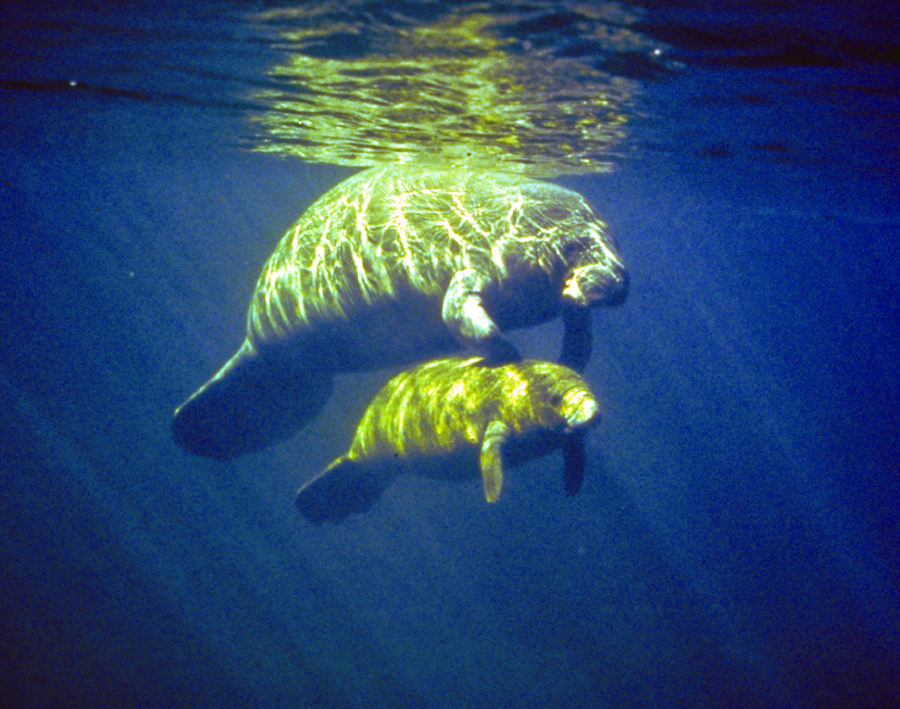
Manatees are often described as solitary, but that’s only partially true. They don’t form tight-knit pods like dolphins, yet they enjoy each other’s company in a relaxed, come-and-go-as-you-please sort of way. Think of them as the introverts of the marine world. They like being around others, but they don’t need constant interaction to feel fulfilled.
When manatees gather, it’s usually for warmth, food, or curiosity. They’re known to approach boats, docks, and even kayakers with a gentle inquisitiveness that makes them seem like oversized aquatic puppies. They’re not looking for trouble. They’re just wondering what you’re doing and whether you might have snacks, even though they would never actually take any.
Mother-calf relationships are the strongest social bonds in manatee life. Calves stay with their mothers for up to two years, learning essential skills like where to find food and how to navigate waterways. During this time, the pair communicates constantly through soft chirps and squeaks. It’s an adorable soundtrack that could melt even the iciest heart.
Adult manatees communicate too, though more subtly. They use body language, gentle nudges, and occasional vocalizations to express themselves. Their interactions are calm and respectful, reflecting their overall temperament. There’s no drama in a manatee gathering. No arguments. No turf wars. Just a group of peaceful beings enjoying the water together.
How Manatees Communicate Without Making a Splash
Manatee communication is one of the most charming aspects of their behavior. They don’t have the dramatic repertoire of dolphins or the booming songs of whales. Instead, they rely on soft, high-pitched sounds that carry well underwater. These include chirps, squeaks, and trills that serve as contact calls, emotional expressions, and mother-calf bonding signals.
Their vocalizations are surprisingly expressive. A calf’s chirp can convey excitement, hunger, or a simple “Where are you?” A mother’s response is often immediate, creating a gentle back-and-forth that feels almost musical. Adult manatees use sound more sparingly, but when they do vocalize, it’s usually for social coordination or to express mild annoyance, such as when another manatee bumps into them during a crowded warm-water gathering.
Touch is another important part of manatee communication. They use their flippers and bodies to nudge, lean, or rest against one another. These gestures are affectionate and reassuring, reinforcing social bonds without the need for elaborate displays. Their tactile nature makes them seem especially gentle, as if they understand the power of a soft touch.
Their facial expressions also play a role. Manatees have flexible upper lips that they use to grasp vegetation, but these lips also give them a surprisingly expressive range. A relaxed manatee often looks like it’s smiling, while a curious one might purse its lips in a way that resembles deep contemplation. It’s easy to project human emotions onto them, but their natural expressions are simply part of their anatomy.
The Art of Being Slow: Why Manatees Move at Their Own Pace
Manatees are famously slow, and they’re perfectly fine with that reputation. Their leisurely pace is not a flaw but a feature. Their bodies are built for efficiency, not speed. They have large lungs that help them float effortlessly and move with minimal energy. Their slow movements also help them conserve oxygen, allowing them to stay submerged for extended periods.
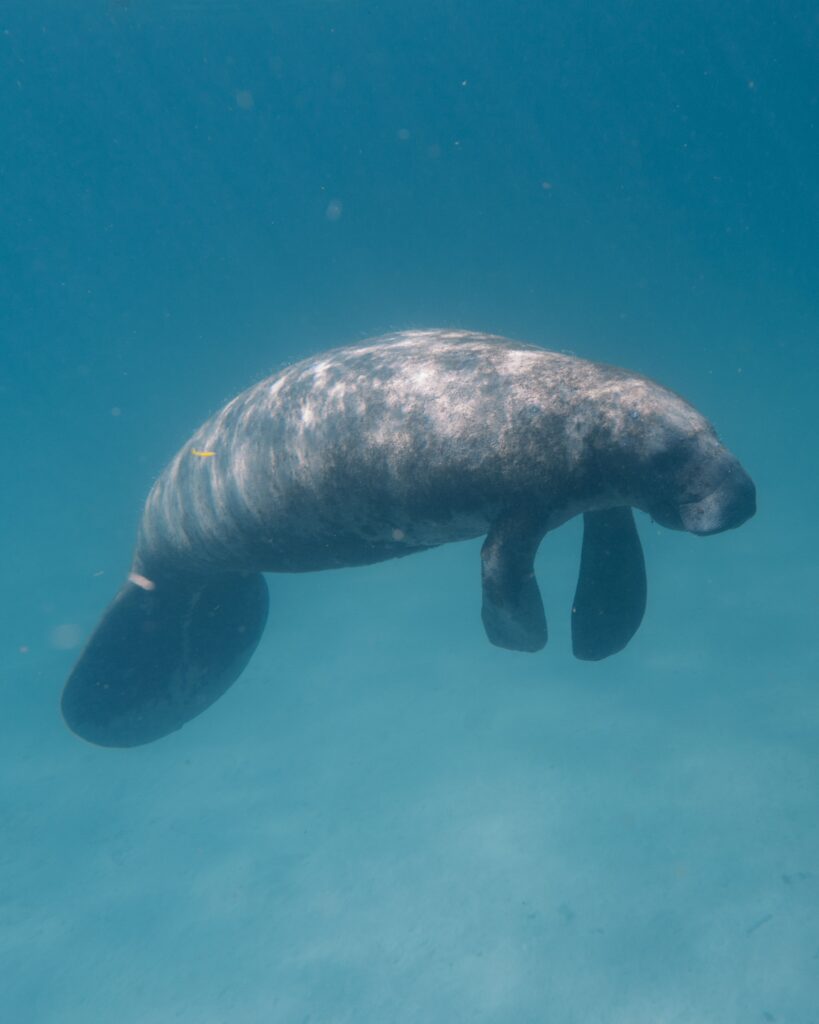
Their unhurried lifestyle is partly due to their diet. Seagrass is nutritious but not exactly high in calories, so manatees need to eat a lot of it. Moving slowly helps them conserve energy while grazing. It also reduces the risk of injury in shallow waters where obstacles like rocks and roots are common.
Despite their slow pace, manatees can move quickly when necessary. They’re capable of short bursts of speed that might surprise anyone who assumes they’re incapable of urgency. These bursts are usually reserved for avoiding danger or navigating strong currents. Most of the time, though, they prefer to drift along at a pace that would make a sloth look ambitious.
Their slow movements contribute to their calming presence. Watching a manatee swim is like watching a living embodiment of mindfulness. They remind us that not everything needs to be rushed and that sometimes the best way to experience the world is to take it one gentle paddle at a time.
Manatees and Their Role in the Ecosystem
Manatees play a crucial role in maintaining healthy aquatic ecosystems. Their grazing habits help control the growth of seagrass and aquatic plants, preventing overgrowth that can choke waterways and reduce biodiversity. By keeping these plants trimmed, manatees promote the growth of new shoots, which supports a variety of marine life.
Their feeding also helps cycle nutrients through the ecosystem. As they digest plant material, they release nutrients back into the water, enriching the environment for other organisms. This natural fertilization process supports the growth of algae and microorganisms that form the base of the food web.
Manatees are considered indicator species, meaning their health reflects the overall health of their environment. When manatee populations thrive, it’s a sign that the water quality is good and that the ecosystem is functioning well. Conversely, declines in manatee numbers can signal environmental problems that may affect many other species.
Their presence also has cultural and economic value. Manatees attract tourists, support conservation programs, and inspire educational initiatives. They serve as ambassadors for marine conservation, reminding people of the importance of protecting coastal habitats. Their gentle nature makes them particularly effective at capturing public interest and encouraging environmental stewardship.
The Challenges Manatees Face in a Busy World
Despite their peaceful nature, manatees face numerous challenges in the modern world. Habitat loss, water pollution, and boat collisions are among the most significant threats. As coastal development expands, manatees lose access to essential feeding and resting areas. Pollution can degrade water quality, affecting the growth of seagrass and other plants they rely on.
Boat collisions are a particularly serious issue. Manatees often swim near the surface, making them vulnerable to fast-moving vessels. Their slow pace and tendency to linger in warm, shallow waters increase the risk of accidents. Many manatees bear scars from past encounters with propellers, a stark reminder of the dangers they face.
Climate change also poses a threat. Rising water temperatures and changing weather patterns can disrupt manatee migration and reduce the availability of warm-water refuges. Cold stress is a major concern, as manatees cannot tolerate prolonged exposure to cold water. Without access to warm areas, they can become ill or even die.
Conservation efforts are underway to address these challenges. Protected areas, boat speed regulations, and habitat restoration projects have helped improve manatee survival rates. Public awareness campaigns also play a vital role in promoting responsible boating and environmental stewardship. While the challenges are significant, ongoing efforts offer hope for the future of these gentle giants.
Why Manatees Capture Our Hearts
There’s something undeniably endearing about manatees. Their round bodies, gentle movements, and curious expressions make them instantly lovable. They embody a kind of quiet resilience, navigating a world full of challenges with grace and calm. Their presence in the water feels like a reminder to breathe deeply and appreciate the simple joys of life.
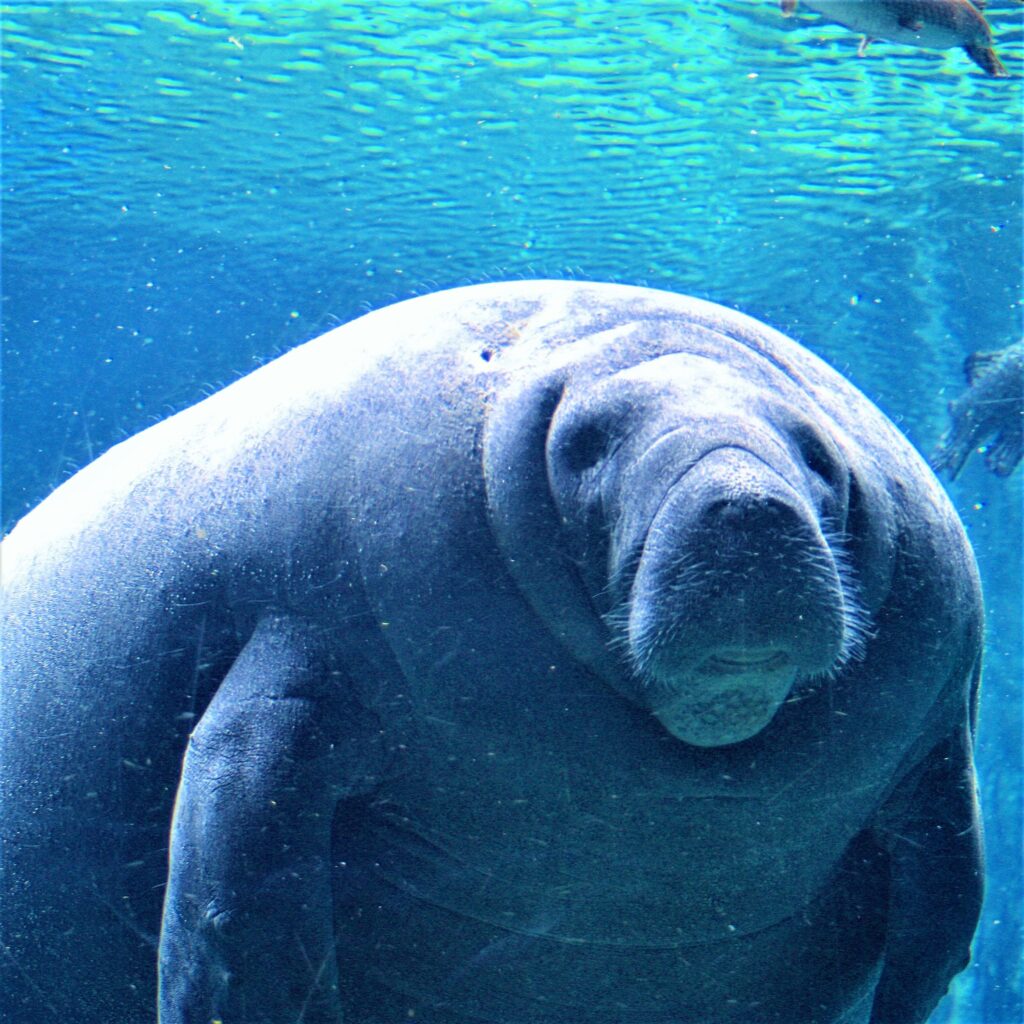
People are drawn to manatees not just because they’re cute but because they represent a gentler way of being. In a world that often feels fast and chaotic, manatees offer a different perspective. They show us that it’s possible to move slowly, to be curious without being intrusive, and to exist peacefully alongside others.
Their popularity has grown thanks to social media, documentaries, and conservation programs. Images of manatees hugging each other, nibbling on lettuce, or floating serenely in crystal-clear springs have captured the imagination of people around the world. They’ve become symbols of environmental protection and reminders of the beauty that still exists in nature.
And sometimes that love shows up in the most unexpected of places, like someone’s mailbox.

Ultimately, manatees capture our hearts because they’re authentic. They don’t perform tricks or seek attention. They simply live their lives with quiet dignity and gentle charm. In doing so, they inspire us to be kinder, more patient, and more connected to the natural world.
Conclusion: Celebrating the Gentle Giants
Manatees are more than just marine mammals. They’re ambassadors of calm, caretakers of seagrass meadows, and symbols of environmental hope. Their gentle presence enriches the ecosystems they inhabit and the lives of the people who encounter them. Learning about manatees is not just an educational experience but a joyful one.
As we continue to protect and celebrate these gentle giants, we also protect the coastal habitats that support countless other species. Manatees remind us that every creature has a role to play in the intricate web of life and that even the slowest among us can make a meaningful impact.
If you ever find yourself near a warm spring or a quiet coastal inlet, keep an eye out for a round, floating silhouette. It might just be a manatee, drifting peacefully through its watery world and inviting you to slow down, smile, and appreciate the gentle magic of the sea.
If today’s manatee magic has you craving some gentle‑giant vibes at home, here are a few treasures I adore.
Genuine Fred “Manatea” Tea Infuser
A tiny dose of joy for your mug. This little silicone manatee perches on the rim of your cup like it is settling in for a cozy chat, and it is honestly impossible not to smile at it. It is practical, adorable, and perfect for those slow, ocean calm writing mornings.
Underwater Manatee Plush Throw Blanket
Soft, warm, and covered in serene manatee art. This blanket is basically a hug in textile form. It is ideal for curling up with your laptop, your tea, and your gentle giant vibes. It also photographs beautifully for writing nook shots.
Sterling Silver Manatee Necklace (925)
A subtle and elegant way to carry a bit of ocean calm with you. The detailing is lovely without being flashy, and it adds a quiet and personal touch to your outfit. It feels like a small secret nod to your love of marine life.
Save the Floaty Potatoes T Shirt
Equal parts funny and heart melting. This shirt blends advocacy and humor in a way that fits your tone perfectly. It is great for casual days, photos, or simply making someone smile at the grocery store.
Buffalo Games I Heart Manatees Board Game
I own more than 250 board games, so I take my tabletop recommendations seriously. I would never suggest a game I would not personally play myself. This one is charming, clever, and absolutely worth adding to your shelf. It is a fun and thematic way to bring manatee love to game night.
Squishmallows Maeve the Manatee
I love and collect Squishmallows, so finding a manatee Squishmallow made me sincerely giddy. She is soft, adorable, and absolutely joining my squad. If you are a collector or simply love a good cuddle companion, she will fit right in with yours too.
Florida Manatees Biology, Behavior, and Conservation
For readers who want to go deeper, this book adds a layer of real world knowledge to the charm. It is a great reference for fun facts, blog tidbits, or simply expanding your appreciation for these gentle giants.