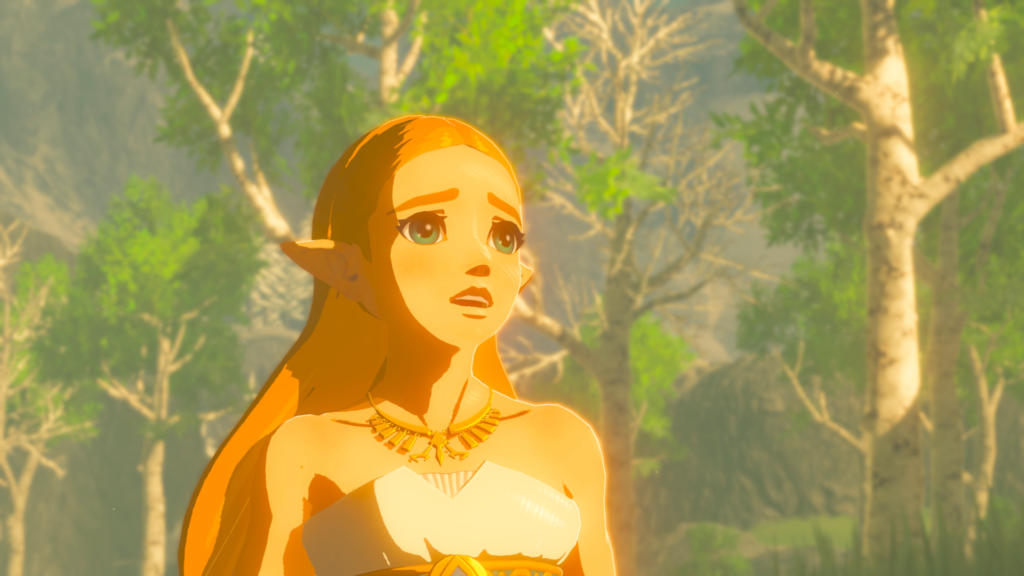
Understanding Zelda’s Origins, Her Legacy, and Why the Series Bears Her Name
Princess Zelda has always existed in a strange space within gaming culture. She is the namesake of one of the most iconic franchises in history, yet she is not the character players control. She is the figure who stands at the center of prophecy, yet she is often spoken of only in relation to the hero who rises to save her. She is the royal heir, the sage, the scholar, the goddess reborn, the warrior who awakens when the world is on the brink of collapse. And still, many people ask the same question: why is the series named after her when the main character is Link?
To understand the answer, you have to step back from the sword swinging and dungeon crawling and look at the deeper mythology that shapes Hyrule. Zelda is not simply a princess who needs saving. She is the axis around which the entire world turns. Her origins, her lineage, and her reincarnation cycle define the stakes of every era. The Legend of Zelda is not the story of a single girl. It is the story of a legacy that stretches across centuries, binding the fate of Hyrule to a single soul who carries wisdom, power, and sacrifice in equal measure.
The Goddess at the Beginning
Zelda’s story begins long before any incarnation of Link ever draws a sword. In the earliest known era, the goddess Hylia stands as the protector of the world. She is the one who battles the primordial evil Demise. She is the one who lifts the last remnants of humanity into the sky to save them. She is the one who chooses to relinquish her divinity so she can be reborn as a mortal and guide the world from within.
This choice is the foundation of the entire franchise. Zelda is not simply a princess. She is the mortal continuation of a goddess who willingly stepped down from eternity. Her reincarnations are not accidents. They are the result of a divine plan to ensure that Hyrule always has a guardian who understands both the fragility of mortal life and the weight of divine responsibility.
Every Zelda carries echoes of Hylia. Some are scholars who study ancient magic. Some are warriors who take up the bow and fight beside the hero. Some are children forced into roles they never asked for. Some are queens who rule with grace and resolve. But all of them are bound to the same ancient promise. They are the living memory of the goddess who shaped the world.
The Royal Lineage and the Burden of Destiny
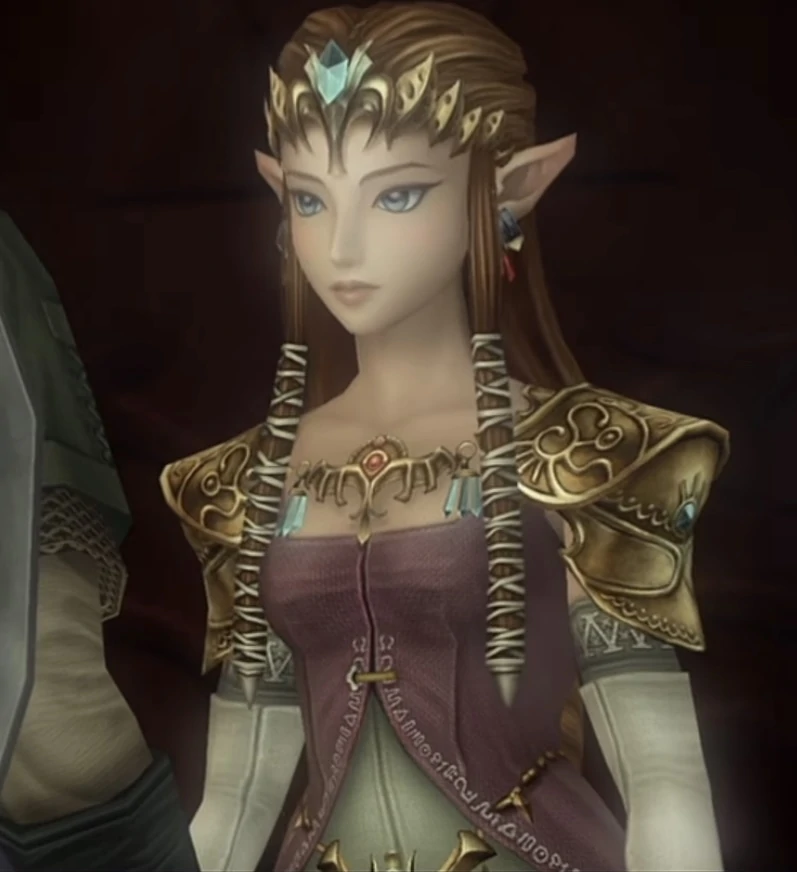
The royal family of Hyrule is not simply a monarchy. It is a bloodline tied directly to the divine. Zelda is born into a world where her identity is predetermined. She is expected to embody wisdom. She is expected to awaken sacred powers. She is expected to stand against evil even when she is afraid. Her life is shaped by prophecy long before she is old enough to understand what that means.
This burden is part of what makes her story compelling. Zelda is not a passive figure. She is a character who grows into her role, often under immense pressure. She studies ancient texts. She trains in magic. She learns diplomacy, leadership, and sacrifice. She carries the weight of her ancestors and the expectations of her kingdom. And she does all of this while knowing that her destiny is intertwined with a cycle of conflict that has repeated for generations.
Link may be the hero who rises, but Zelda is the one who prepares the world for him. She is the one who understands the stakes. She is the one who sees the full picture. She is the one who holds the knowledge that keeps Hyrule from falling into ruin.
Zelda’s Role Across the Timeline
Because the Zelda timeline branches into multiple eras, each incarnation of the princess reveals a different facet of her character. In some eras she is a scholar who seeks to understand the ancient power within her. In others she is a ruler who must protect her people from war. In some she is a child forced to grow up too quickly. In others she is a warrior who takes up arms and fights beside the hero.
What remains constant is her significance. Zelda is always the key to understanding the conflict. She is always the one who carries the ancient knowledge that explains why evil rises and how it can be defeated. She is always the one who holds the sacred power that balances the Triforce. She is always the one whose presence signals that the world is entering a new era of myth and danger.
Her story is not static. It evolves with each generation. But the core remains the same. Zelda is the heart of Hyrule’s mythology.
Why the Series Is Named After Zelda
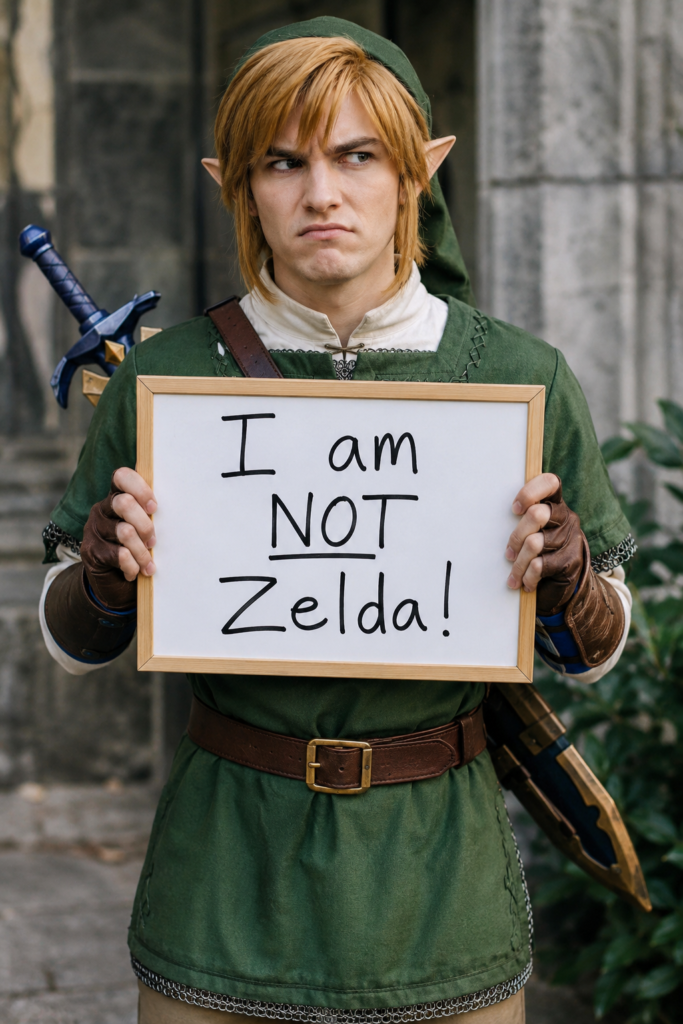
The question of why the franchise is named after Zelda instead of Link has been asked since the earliest days of the series. The answer lies in the structure of the mythology. Link is the hero who rises when needed. He is the mortal champion who answers the call. But Zelda is the constant. She is the thread that ties every era together. She is the reincarnation of a goddess. She is the keeper of wisdom. She is the one whose presence signals that the cycle of destiny is turning once again.
The legend is not about the hero’s journey. It is about the world’s history. It is about the divine lineage that shapes the fate of Hyrule. It is about the ancient power that flows through the princess and the responsibility she carries. The title reflects the mythic structure of the story. Zelda is the legend. Link is the hero who rises within it.
This distinction matters. Link’s identity changes from era to era. He is a different person each time. Zelda, however, is a continuation of the same divine soul. Her story is the spine of the franchise. Her presence defines the stakes. Her lineage shapes the world. The legend belongs to her because she is the one who embodies the continuity of Hyrule’s history.
Zelda as the Emotional Core of the Franchise
Beyond mythology, Zelda serves as the emotional anchor of the series. Her struggles, her sacrifices, and her growth give the story its heart. She is the character who understands the cost of destiny. She is the one who carries the burden of leadership. She is the one who must balance her personal desires with the needs of her kingdom.
In many games, Zelda’s arc mirrors the themes of the story. In Ocarina of Time she learns the consequences of acting too quickly. In The Wind Waker she discovers her identity and steps into her role with courage. In Breath of the Wild she grapples with self doubt, pressure, and the fear of failing her people. Her journey is not simply about magic or prophecy. It is about becoming the person the world needs her to be.
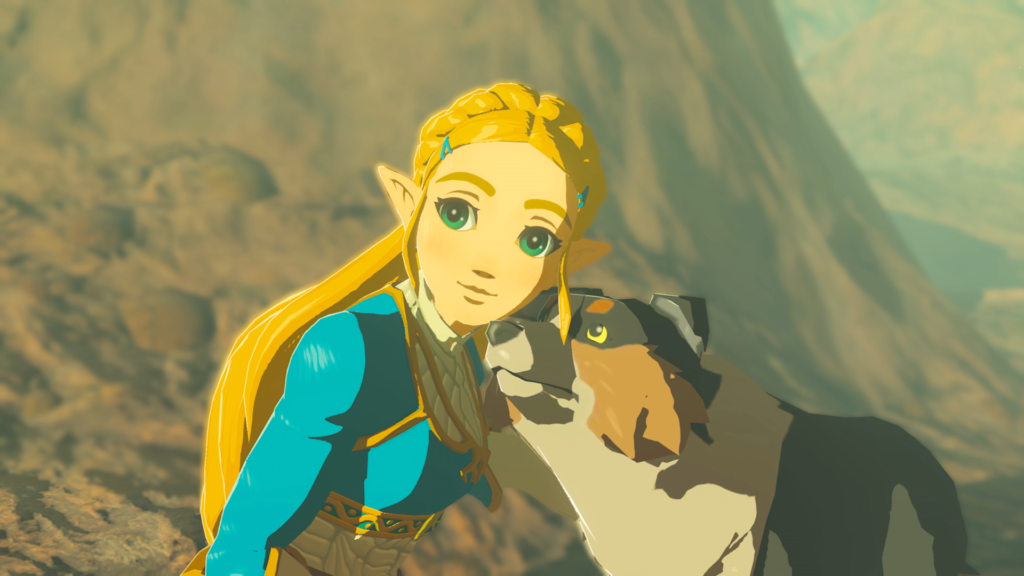
This emotional depth is part of what makes her so compelling. Zelda is not a symbol. She is a character with fears, hopes, and flaws. She is someone who grows, learns, and changes. Her story resonates because it reflects the struggle to live up to expectations while still finding one’s own identity.
The Legacy of Zelda and the Future of the Franchise
As the series continues to evolve, Zelda’s role becomes increasingly central. Modern games explore her inner life, her relationships, and her personal struggles. They show her as a scholar, a leader, and a warrior. They give her agency and depth. They allow her to shape the story in ways that go beyond prophecy.
The future of the franchise seems poised to explore her even more deeply. Fans have long hoped for a game where Zelda is the playable protagonist. Whether or not that happens, her importance will not diminish. She is the heart of the legend. She is the character who carries the weight of history. She is the one whose presence defines the world.
The Legend of Zelda is named after her because she is the legend. She is the mythic figure whose story spans centuries. She is the goddess reborn, the scholar of ancient magic, the princess who stands between her people and destruction. Link may be the hero who rises, but Zelda is the one who gives the world something worth saving.
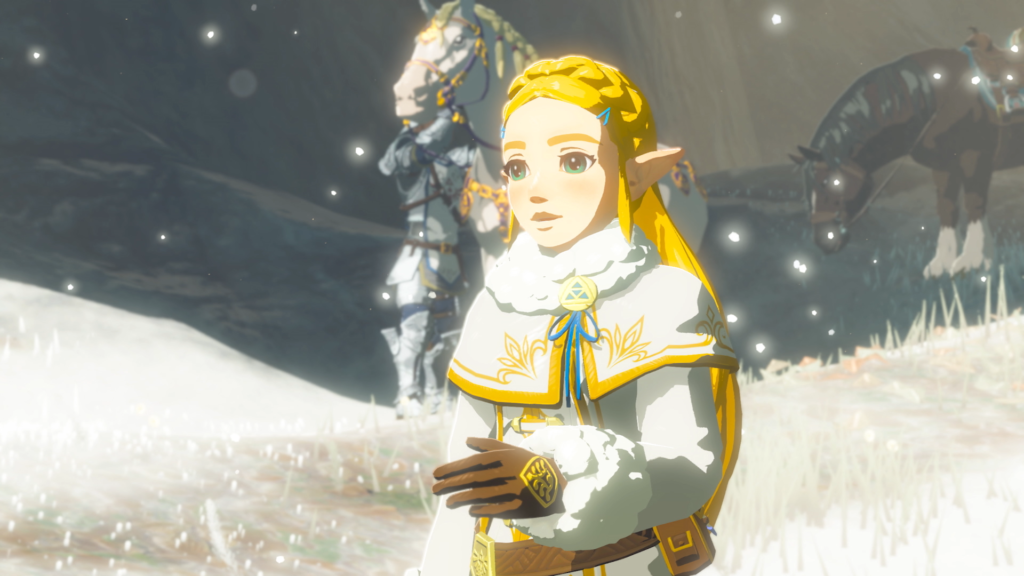
If the call of Hyrule stirs something in you and you feel ready to lift the Master Sword at Princess Zelda’s side, here are a few ideas that bring a touch of that magic into your own world:
The Legend of Zelda: Breath of the Wild – World Edition
If you want to return to the windswept fields and ancient ruins that shaped Zelda’s modern legacy, the World Edition of Breath of the Wild is the perfect place to begin. This version brings you back to the same landscapes and story beats that inspired the imagery throughout this article. It is a beautiful way to revisit the era where Zelda’s character finally stepped into the emotional spotlight she deserved.
The Legend of Zelda: Breath of the Wild – Creating a Champion (Hero’s Edition)
This is the definitive art and lore book for anyone who wants to understand the world Zelda carries on her shoulders. Creating a Champion is filled with concept art, developer notes, and deep dives into the mythology that shaped her story. It is a stunning companion to the themes explored in this post and a treasure for anyone who loves the artistry behind Hyrule.
The Master Sword may be the blade Link wields, but its origins and purpose are tied directly to Zelda’s divine lineage. This replica is a striking display piece for fans who appreciate the mythic weight of the series. It captures the symbolism of the goddess’s blessing and the ancient cycle that binds Zelda, Link, and Hyrule together. It is a dramatic addition to any collection.
Amiibo Zelda – Breath of the Wild
This figure captures Zelda exactly as she appears in Breath of the Wild, complete with her Sheikah Slate and the quiet determination that defines her role in the story. It is a small but meaningful way to bring her presence into your space. The amiibo is beautifully detailed and makes a perfect desk companion for anyone who admires her strength and wisdom.
This mug is a gentle nod to Zelda’s world and the magic that surrounds her. When filled with something warm, the design shifts to reveal artwork inspired by Breath of the Wild. It is a simple, cozy way to bring a touch of Hyrule into your morning routine and a lovely reminder of the quiet beauty that defines Zelda’s story.