A Bright Little Clownfish in a Big, Busy Neighborhood
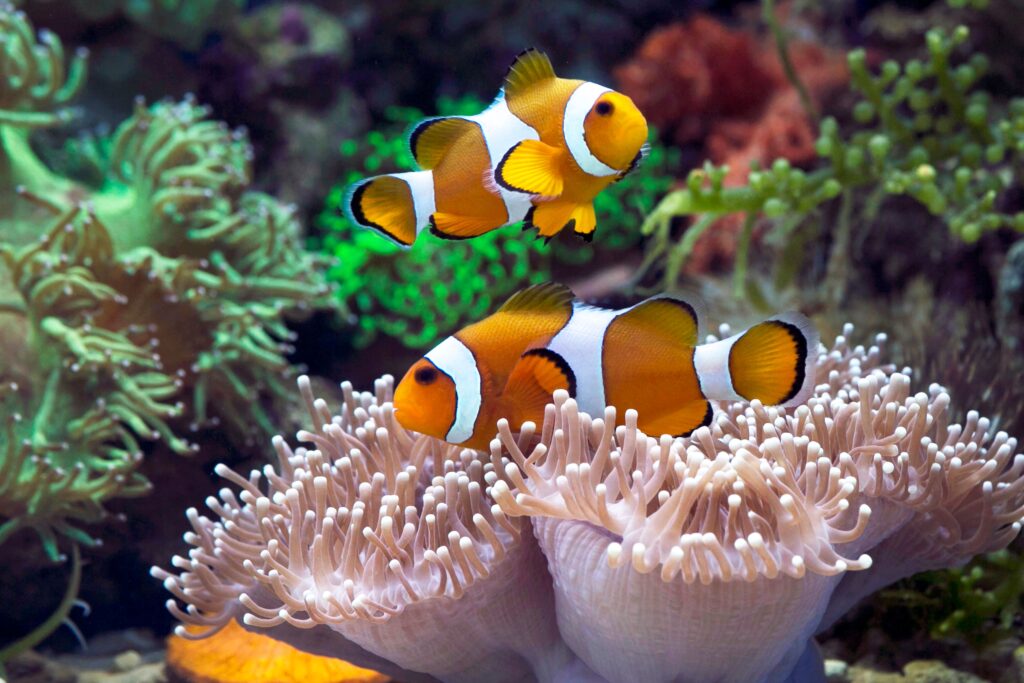
Clownfish have a way of stealing the spotlight. Maybe it’s the bold orange stripes, maybe it’s the perpetual look of cheerful surprise on their faces, or maybe it’s because one animated movie launched them into global stardom. Whatever the reason, these tiny reef dwellers have become the unofficial mascots of tropical oceans. Yet behind the cuteness and celebrity status lies a surprisingly complex story about partnership, survival, and the bustling underwater cities they call home.
Coral reefs are often described as the rainforests of the sea. They’re vibrant, noisy, crowded, and full of drama. If you could shrink yourself down and wander through a reef, you’d find a world where every nook and cranny is occupied by something colorful, spiky, slimy, or curious. In the middle of all this activity, clownfish carve out a very specific niche. They don’t roam far, they don’t try to be the toughest fish around, and they certainly don’t win any awards for speed. Instead, they rely on one of the most charming partnerships in nature: their friendship with sea anemones.
This relationship is so iconic that it’s easy to forget how unusual it really is. After all, sea anemones are basically underwater booby traps. They’re covered in stinging cells that paralyze anything unlucky enough to brush against them. Yet clownfish waltz through those tentacles like they’re strolling through a field of daisies. It’s a bit like watching someone casually walk through a cactus garden while everyone else screams in the background. And somehow, it works beautifully.
The Anemone Apartment Complex
Clownfish and sea anemones share one of the most famous examples of mutualism in the natural world. The anemone provides shelter, protection, and a safe place to raise clownfish babies. In return, the clownfish defend the anemone from nibbling predators, clean away debris, and help circulate water around its tentacles. It’s a tidy little arrangement that benefits both sides.
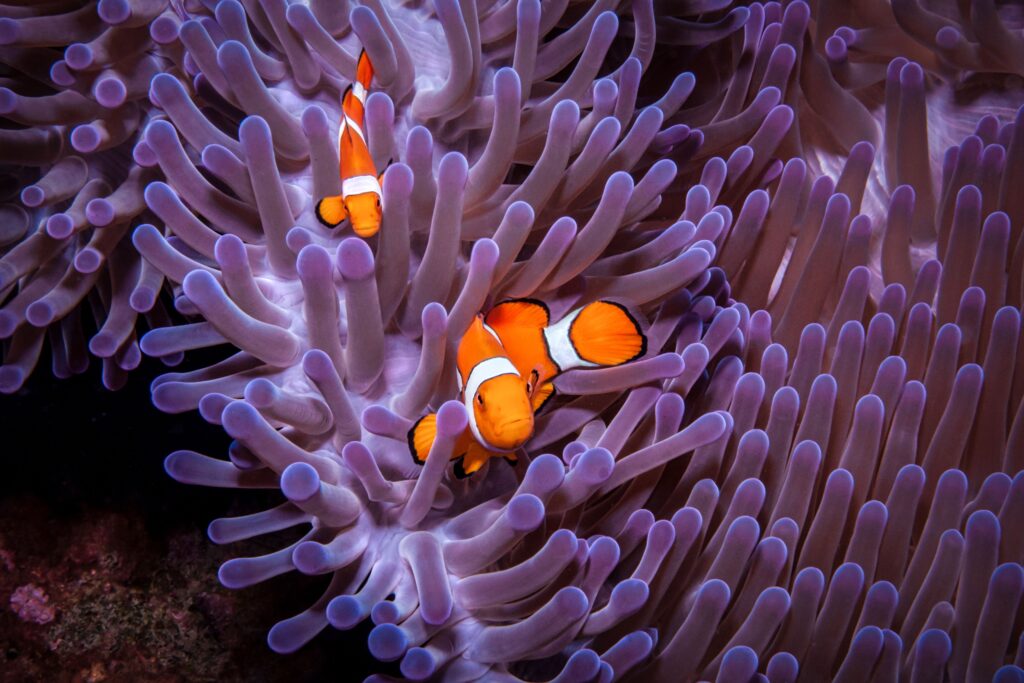
The first time a clownfish approaches an anemone, it doesn’t just dive in. That would be a very short story with a very sad ending. Instead, the fish performs a careful dance, brushing gently against the tentacles and coating itself in the anemone’s mucus. This process can take hours. It’s the underwater equivalent of introducing yourself to a very prickly landlord and hoping they’ll let you move in. Once the anemone accepts the clownfish, the two become inseparable.
Inside the anemone’s tentacles, the clownfish finds a safe haven. Predators that might otherwise snack on a small, brightly colored fish won’t risk getting stung. The clownfish can dart in and out, peeking at the world from behind its living curtain. It’s a bit like living in a house with a built‑in security system that also happens to wave gently in the current.
The anemone benefits too. Clownfish are surprisingly feisty for their size. They’ll chase away butterflyfish, which love to nibble on anemone tentacles. They’ll also remove parasites and leftovers, keeping their host clean and healthy. Some researchers even believe that the clownfish’s constant movement helps the anemone breathe better by increasing water flow. It’s a full‑service arrangement, complete with cleaning, security, and ventilation.
Life in a Coral Reef Community
Coral reefs are some of the most diverse ecosystems on the planet. They’re built by tiny coral polyps that secrete calcium carbonate, forming massive structures over thousands of years. These structures create hiding places, feeding grounds, and nurseries for countless species. Everything from microscopic plankton to massive sharks depends on the reef in one way or another.
Clownfish fit into this community as small but important players. They’re not apex predators, and they’re not ecosystem engineers like corals or parrotfish. Instead, they occupy a very specific role that helps maintain the delicate balance of reef life. Their presence supports the health of sea anemones, which in turn provide habitat for other small creatures. Their eggs and larvae become food for larger animals, contributing to the reef’s food web. Even their bright colors serve a purpose, signaling to other reef residents that the anemone is occupied and defended.
Reefs are noisy places too. If you could listen underwater, you’d hear crackling shrimp, grunting fish, and the constant hum of life. Clownfish add their own tiny pops and chirps to the mix. These sounds help them communicate with their mates and warn off intruders. It’s not exactly a symphony, but it’s charming in its own way.
A Family with a Twist
Clownfish social structure is one of the most fascinating parts of their biology. They live in small groups, usually consisting of a dominant female, a dominant male, and several smaller non‑breeding males. The female is the largest fish in the group, and she rules the anemone with quiet authority. The dominant male is slightly smaller, and the rest of the group is smaller still.
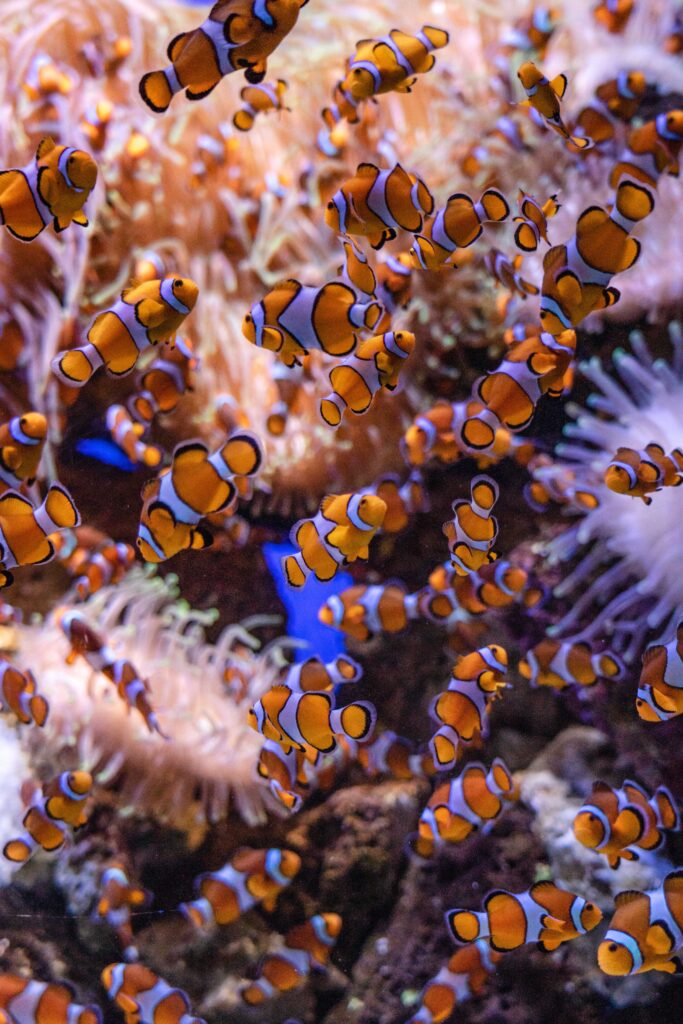
Here’s where things get interesting. Clownfish are sequential hermaphrodites. That means they can change sex if the situation calls for it. If the dominant female dies, the dominant male transforms into a female. Then the largest of the non‑breeding males steps up to become the new breeding male. It’s a tidy system that ensures the group always has a reproductive pair.
This transformation isn’t instant. It involves complex hormonal changes and behavioral shifts. But it’s remarkably efficient. The group doesn’t have to wait for a new female to wander by, and the anemone doesn’t lose its resident caretakers. It’s a bit like a workplace where everyone is cross‑trained and ready to take over if the manager retires.
The Daily Routine of a Clownfish
Clownfish lead surprisingly structured lives. They spend most of their time within a few feet of their anemone, venturing out only to feed or chase away intruders. Their diet includes algae, plankton, and small crustaceans. They’re not picky eaters, which is helpful in a habitat where food availability can change with the tides.
Their movements are quick and jerky, almost like they’re powered by tiny springs. This distinctive swimming style helps them navigate the anemone’s tentacles without getting tangled. It also makes them look perpetually excited, as if every moment is the most thrilling thing they’ve ever experienced.
Clownfish are also devoted parents. The male takes the lead in caring for the eggs, fanning them with his fins to keep them oxygenated and removing any that don’t look healthy. The female supervises, occasionally inspecting the clutch with a critical eye. Once the eggs hatch, the larvae drift into the open ocean, beginning a perilous journey before eventually returning to the reef. Only a small percentage survive, but those that do will find their own anemone and start the cycle anew.
The Coral Reef Under Pressure
As enchanting as coral reefs are, they’re also incredibly fragile. Rising ocean temperatures, pollution, overfishing, and acidification all threaten their survival. Coral bleaching events have become more frequent, leaving once‑vibrant reefs pale and struggling. When corals die, the entire ecosystem suffers. Fish lose their homes, predators lose their hunting grounds, and the intricate web of life begins to unravel.
Clownfish are not immune to these changes. Their survival depends on healthy anemones, which in turn depend on healthy reefs. When reefs decline, anemones become less abundant, and clownfish populations shrink. Even subtle changes in water chemistry can affect clownfish behavior and reproduction. Some studies suggest that increased carbon dioxide levels may interfere with their ability to navigate or avoid predators.
It’s a sobering reminder that even the most charming creatures are vulnerable to environmental change. Yet there is hope. Conservation efforts around the world are working to protect reefs, restore damaged areas, and reduce the impacts of climate change. Marine protected areas, sustainable fishing practices, and coral restoration projects all play a role in safeguarding these ecosystems.
Why Clownfish Capture Our Hearts
There’s something irresistibly charming about clownfish. Part of it is their bold coloring, part of it is their expressive little faces, and part of it is the way they seem to bounce through the water like they’re powered by pure enthusiasm. But let’s be honest. A huge reason clownfish have become global sweethearts is because one small orange fish swam across a movie screen in 2003 and changed everything. Finding Nemo didn’t just introduce audiences to a plucky clownfish with a lucky fin. It turned the entire species into underwater celebrities. Suddenly everyone knew what an anemone was, kids everywhere practiced saying “sea anemone” without tripping over the syllables, and clownfish went from obscure reef residents to household names.
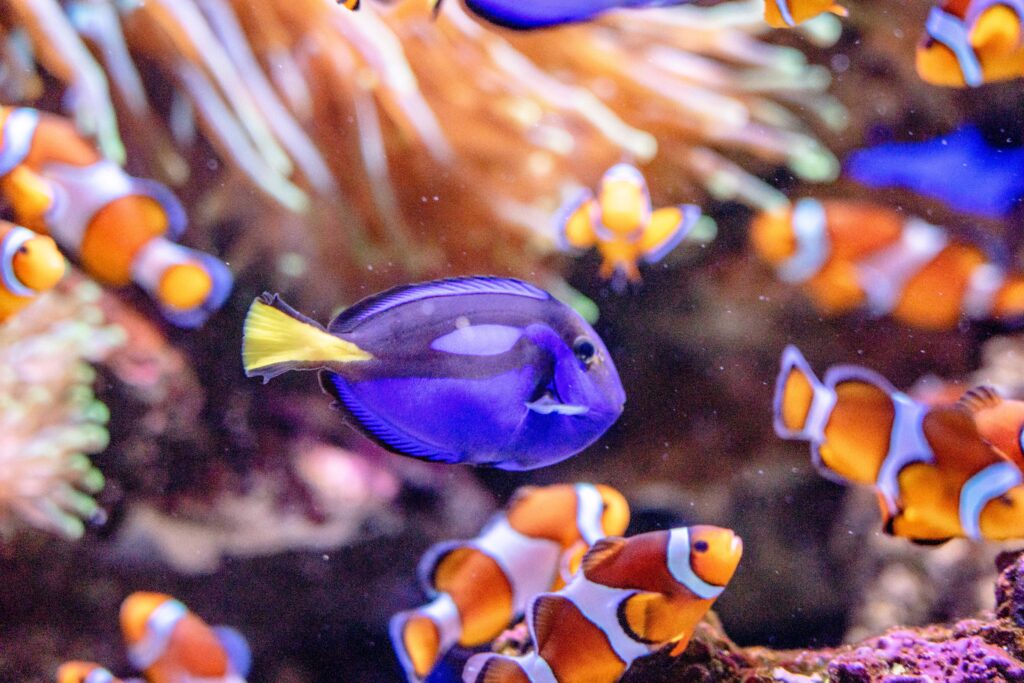
What’s funny is that the real animals are just as endearing as their animated counterparts, even without the Hollywood glow. They really do form lifelong bonds with their anemone homes. They really do have quirky personalities and a surprising amount of bravery packed into their tiny bodies. And yes, they really do stick close to home, although not because they’re on a quest to find anyone. Their loyalty comes from instinct, not plot structure, but it’s still heartwarming to watch.
Clownfish capture our hearts because they embody the idea that even the smallest creatures can have big stories. They’re proof that nature is full of unexpected partnerships, quiet courage, and moments of sweetness tucked between the coral branches. Whether you first met them on a reef or in a movie theater, they have a way of staying with you.
A Final Swim Through the Reef
Clownfish and coral reefs are inseparable. Their partnership is a testament to the delicate balance of marine ecosystems and the intricate relationships that sustain them. When we protect reefs, we protect the countless species that depend on them, from the tiniest plankton to the most charismatic fish.
As you imagine a clownfish darting through its anemone home, picture the reef around it. Picture the corals building their limestone towers, the parrotfish crunching on algae, the sea turtles gliding by like ancient guardians. Picture the colors, the movement, the constant hum of life. It’s a world worth cherishing.
And if you ever find yourself snorkeling above a reef, keep an eye out for a flash of orange and white. You might just spot a clownfish peeking out from its anemone, watching you with curious eyes. It won’t swim far, and it won’t act impressed, but it will remind you that even the smallest creatures can make the biggest impact.
Before you head back to the surface, take a moment to appreciate the partnership unfolding below. It’s one of nature’s sweetest stories, told in gentle currents and waving tentacles. A story of home, family, and the beauty of living in harmony with the world around you.
As we rise from the reef and return to the surface, it’s worth remembering that our connection to these underwater worlds doesn’t end when the snorkel comes off. Every choice we make on land — from the stories we share to the tools we use — can help protect the oceans that clownfish, corals, and countless other species call home. With that in mind, here are a few thoughtfully chosen items that support learning, conservation, and a deeper appreciation for the vibrant ecosystems we’ve just explored.

A small enamel keepsake box with a bright clownfish resting among coral. It feels like a tiny piece of reef art and makes a thoughtful gift for anyone who loves ocean themes.
A soft silicone night light shaped like a cheerful clownfish that gives a warm, gentle glow to create a calm bedtime atmosphere and add a cute touch of reef comfort to any room.
A pair of clear glasses with simple clownfish icons that bring a light ocean feel to everyday drinks. They are a fun way to add a little reef charm to your kitchen without going overboard.
A small enamel keychain with a clownfish and starfish charm. It is an easy way to carry a bit of ocean joy with you and makes a cute, affordable gift for anyone who loves marine life.
A beginner friendly guide to clownfish behavior and care. It is a good pick for readers who want to learn more after the article and enjoy exploring the science behind these bright little fish.