Trigger Warning: This essay discusses trauma, abuse, grooming, and other dark subject matter. Please take care while reading.
The First Time the Music Shifted Under My Feet
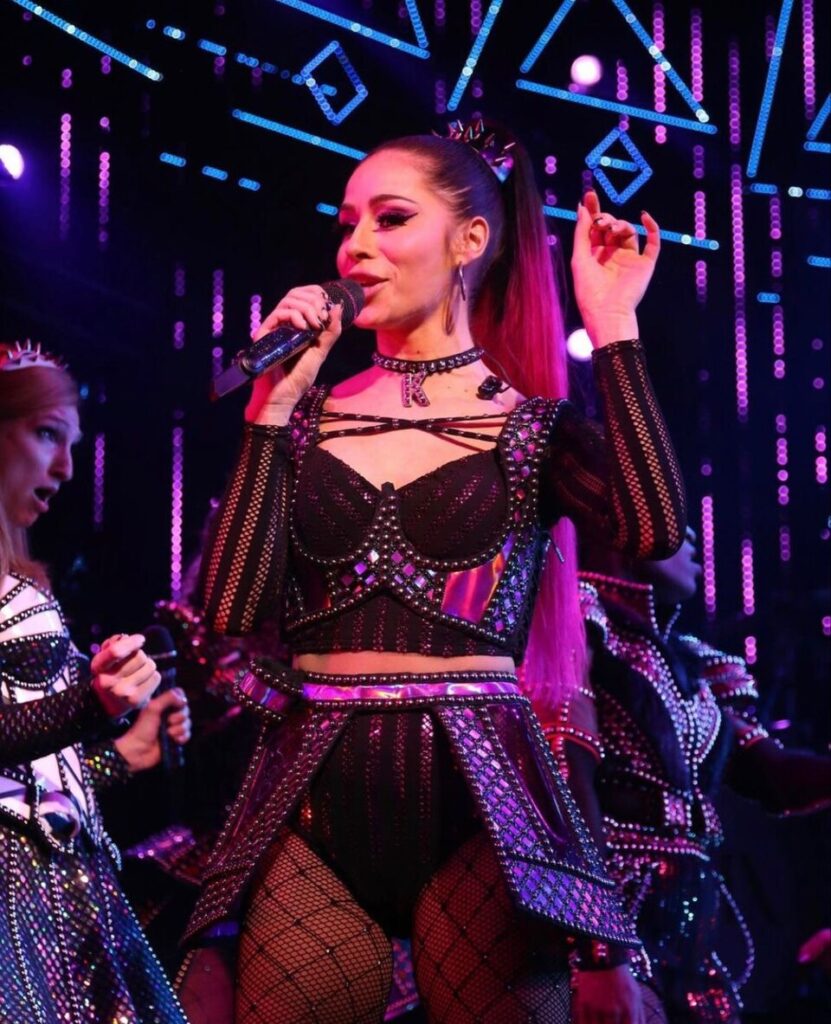
I remember the first time I heard “All I Wanna Do” from SIX. Samantha Pauly sang a pop song in the style of Ariana Grande, but it was one of the darkest and most emotionally triggering songs I had ever heard. What confused and horrified me was that as she sang about being groomed and repeatedly used and discarded and passed around, the audience laughed. They laughed as a teenage victim told her story of repeated assault. It broke my heart, but it also made me question why that happens, because it isn’t just this one song that causes the audience to misread what’s actually being said. So, let’s get into the darker and less talked about side of musicals and what happens when the music turns.
When a Melody Masks a Warning
There is something uniquely disarming about a melody. Music has a way of slipping past our defenses, softening the edges of difficult truths, and sometimes even disguising them. A bright beat can make a confession sound like a joke. A soaring harmony can make a cry for help feel like catharsis rather than a plea. When a musical number is wrapped in glitter, humor, or pop sensibility, audiences often take their cues from the surface rather than the substance.
This is not because people are cruel. It is because music trains us to respond emotionally before we respond intellectually. And sometimes, that emotional reflex leads us astray.
“All I Wanna Do” is a perfect example. The choreography is playful. The vocals sparkle. The tone feels flirtatious. But beneath that sheen is a girl who was groomed by powerful men, a girl who was taught that her worth was tied to her body, a girl who was passed around like a novelty. The song is not a celebration of sexual freedom. It is a confession of exploitation. Yet the audience laughs, because the music tells them to.
Source: Wikimedia Commons (CC0, public domain).
The Beauty That Softens the Blow
This disconnect appears across musical theatre. Sometimes it is intentional, a way to highlight the absurdity or horror of a situation. Sometimes it is a way to make difficult topics more accessible. And sometimes it is simply a byproduct of the medium, where heightened emotion blurs the line between tragedy and entertainment.
“The Dark I Know Well” from Spring Awakening is a haunting example. There is nothing humorous about it. Two girls sing about the violence they endure at home, their voices weaving together in a desperate attempt to make sense of the pain. The music is beautiful, almost hypnotic. That beauty can create emotional distance. Audience members may find themselves admiring the harmonies without fully absorbing the horror being described. Beauty becomes a buffer, even when the story begs not to be softened.
When Vulnerability Complicates Accountability
Then there is “Words Fail” from Dear Evan Hansen. It is not about abuse, but it is about the collapse of a lie built on someone else’s grief. Evan sings through guilt and desperation as the persona he constructed unravels. The music swells, the emotions rise, and the audience is swept into his vulnerability. But vulnerability does not erase harm. Many audience members respond to the plea rather than the confession. They feel for Evan, even when the story asks them to sit with the discomfort of what he has done.
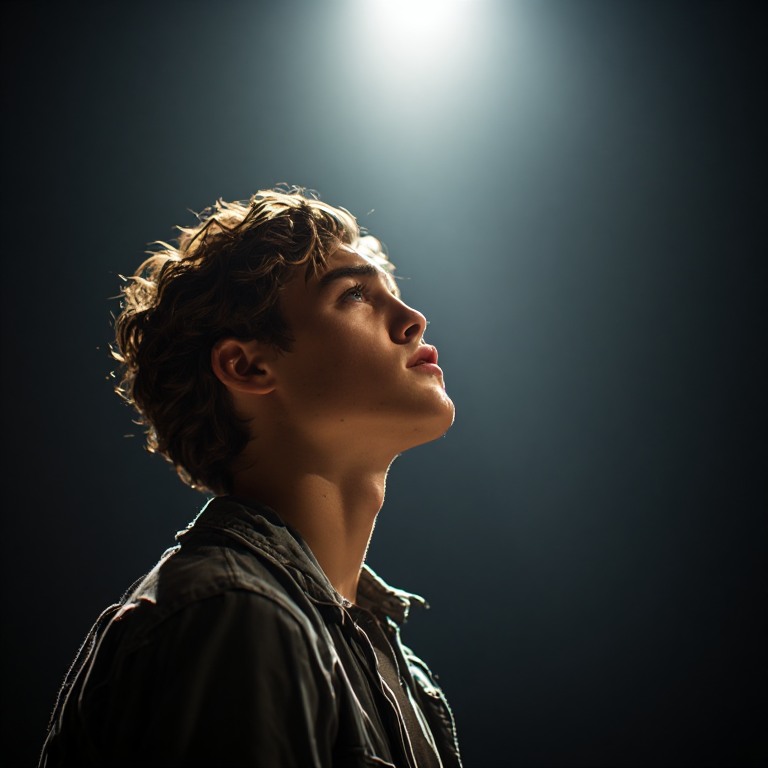
These songs reveal how easily music can shape our interpretation of a story. When the melody is bright, we may laugh at pain. When the harmony is beautiful, we may romanticize suffering. When the voice trembles, we may forgive too quickly.
Why Audiences Misread Dark Stories
Part of the issue lies in how audiences are conditioned to experience musicals. We expect entertainment. We expect spectacle. We expect emotional release. When a show gives us something darker, something that asks us to sit with discomfort, our instincts can rebel. Laughter becomes a shield. Admiration becomes a distraction. Sympathy becomes a shortcut.
Another part is cultural. Stories of trauma are often sensationalized or minimized. When a musical presents trauma in a stylized form, audiences may assume exaggeration or metaphor. They may assume that if something truly terrible is being described, the tone would be different. But trauma does not always announce itself with somber chords. Sometimes it hides behind a smile. Sometimes it dances. Sometimes it sings.
There is also emotional safety to consider. It is difficult to confront grooming, assault, or violence in a public space surrounded by strangers. Laughter can be a release valve. But when laughter becomes the dominant response, it can unintentionally reinforce the silence survivors already face.
Listening Beneath the Glitter
This is not about blaming audiences. It is an invitation to listen more closely. To notice when the music is telling one story and the lyrics another. To recognize that discomfort is not a failure of the art but a sign that it is doing something important.
When the music turns, it often reveals truths that are easy to miss. A bright melody can hide a cry for help. A soaring ballad can mask a confession. A pop anthem can disguise a story of exploitation.
In “Thank Goodness,” Glinda repeatedly insists she “couldn’t be happier,” even as the structure of the song undercuts that certainty. The language shifts between celebration and hesitation, revealing that happiness, as she’s been promised it, feels conditional and incomplete. What should be a triumphant arrival instead reads as a performance of satisfaction layered over discomfort, loss, and delayed realization.
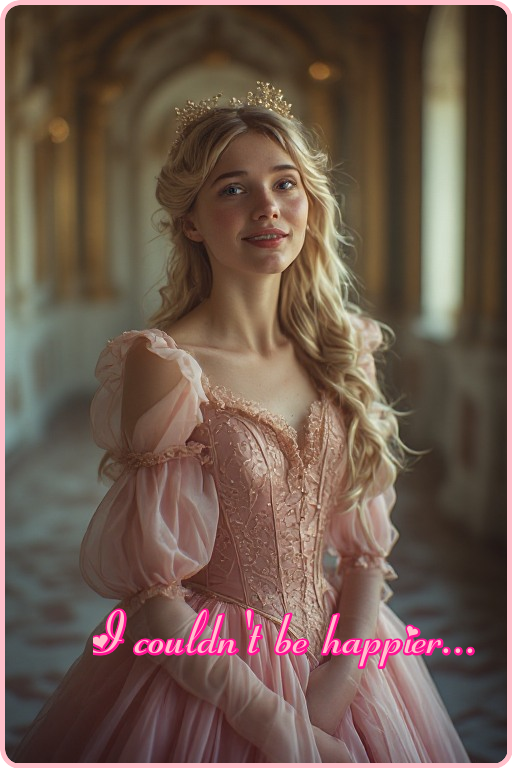
These contradictions are part of what makes musical theatre rich and complex. But they also require us to be attentive, compassionate listeners.
Reframing Familiar Songs
Think about how “All I Wanna Do” functions within SIX. Katherine Howard is often portrayed as the flirty queen, the one who uses her charm to get what she wants. But the song reveals she never had real agency. She was groomed, manipulated, and discarded. The upbeat music is not a celebration. It is a commentary on how her story has been misunderstood. When the audience laughs, they participate in the very pattern the song critiques.
“The Dark I Know Well” asks the audience to witness pain without turning away. The girls are not asking for pity. They are asking to be heard. The music holds their pain gently, without sensationalizing it.
“Words Fail” asks the audience to hold two truths at once. Evan is hurting, and he has hurt others. The music makes that duality feel tender, but tenderness should not eclipse accountability.
The Quiet Ache of “I’m Not That Girl” from Wicked
There is another song that often slips past deeper emotional scrutiny because of its softness. “I’m Not That Girl” from Wicked is usually remembered as a wistful ballad about unrequited love. It is gentle and almost deceptively calm. Elphaba sings about wanting something she believes she cannot have, and audiences tend to interpret the moment as a sweet expression of longing. But beneath that quiet melody is a lifetime of internalized rejection.
Elphaba has been treated as an outsider for as long as she can remember. She has been mocked, dismissed, and told in countless ways that she is unworthy. When she sings “I’m Not That Girl,” she is not simply lamenting a crush. She is revealing the belief that she does not deserve to be chosen. The song becomes a window into the emotional scars left by years of exclusion. It is a confession of how deeply she has absorbed the world’s cruelty, to the point where she denies herself happiness before anyone else can.
The music softens this truth. Its tenderness makes the pain feel manageable, even pretty. Audiences often respond to the beauty of the melody rather than the weight of the self doubt behind it. They hear longing but not resignation. They hear vulnerability but not the quiet acceptance of being overlooked. The song becomes a moment of reflection rather than a moment of reckoning.
“I’m Not That Girl” reminds us that trauma does not always appear in explosive ways. Sometimes it shows up in the quiet belief that joy belongs to other people. The song invites the audience to recognize that kind of hurt, even when it whispers instead of shouts.
The Loneliness Beneath “On My Own” from Les Misérables
A similar misreading often happens with “On My Own” from Les Misérables. Many people remember it as a soaring anthem of unrequited love, a moment of emotional catharsis for Eponine as she wanders the streets imagining a life with Marius. The melody is beautiful and sweeping, and the staging often emphasizes her romantic longing. But the heart of the song is not romance. It is loneliness.
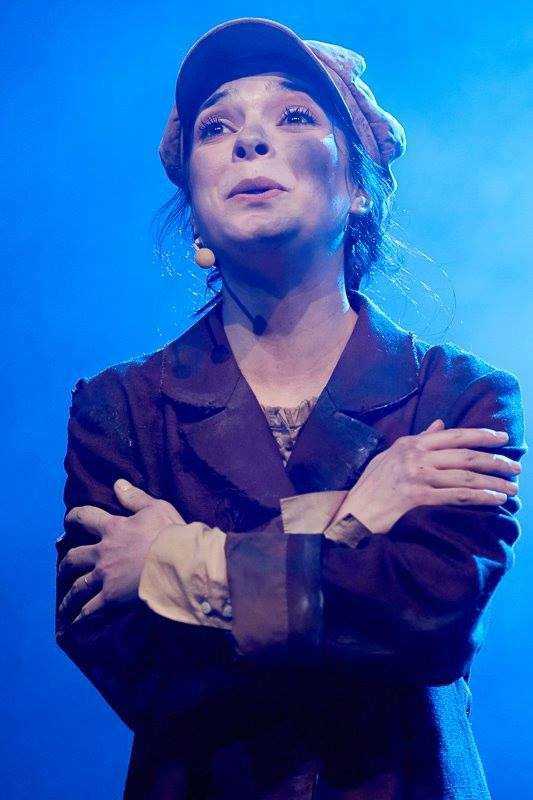
Eponine has grown up in an environment where love is conditional and affection is scarce. She has learned to survive by clinging to scraps of kindness. When she sings “On My Own,” she is not simply mourning a love she cannot have. She is confronting the reality that she has never truly belonged anywhere. The fantasy she describes is not just about Marius. It is about imagining a world where she is valued, safe, and seen.
The music gives her a moment of emotional grandeur, but that grandeur can obscure the truth. Audiences often focus on the romantic aspect of the song, treating it as a declaration of devotion. But the deeper story is about a girl who has been alone for so long that she has learned to build entire worlds in her mind just to feel connected. The song is a portrait of emotional isolation, wrapped in a melody that feels almost too beautiful for the pain it carries.
“On My Own” becomes even more poignant when we recognize that Eponine is not simply heartbroken. She is exhausted. She is yearning for a life where she is not invisible. The music lifts her voice, but the story beneath it is one of profound solitude.
The Tradition of Contrast in Musical Theatre
Musicals have long used contrast to highlight difficult themes. Songs like “Cell Block Tango” or “Johanna (Reprise)” use catchy rhythms to explore violence and obsession. “I Believe” uses cheerful optimism to mask cultural critique. Even classics like Carousel and West Side Story contain moments where the music complicates the emotional landscape.
Modern audiences, accustomed to quick categorization, sometimes struggle with that complexity. We want to know whether a song is funny, sad, empowering, or tragic. When a song refuses to fit neatly into one category, we may default to the most comfortable interpretation. And comfort rarely lies in acknowledging trauma.
Why These Conversations Matter
Talking about why audiences laugh at “All I Wanna Do” is not about shaming anyone. It is about examining cultural patterns. Discussing how “The Dark I Know Well” can be both beautiful and devastating helps us understand the emotional layers music can hold. Exploring the tension in “Words Fail” reminds us that empathy and accountability can coexist.
These conversations help us become better listeners. They teach us to look beyond the surface, to hear the truth beneath the melody, to recognize when someone is telling us something painful, or sharing trauma in a voice that sounds deceptively calm.
The Performer’s Burden and Bravery In Singing Trauma
Singing about trauma is not easy. Performing a song like “The Dark I Know Well” requires emotional vulnerability and immense strength. Delivering “All I Wanna Do” demands balancing pop sensibility with gravity. Even “Words Fail” asks the performer to navigate complex emotional terrain while holding both guilt and tenderness in the same breath. “On My Own” carries the weight of profound loneliness, asking the performer to embody a girl who has learned to survive on dreams because reality has never offered her a place to belong. And “Thank Goodness,” though wrapped in bright optimism, asks Glinda to stand onstage and smile through a heartbreak she cannot admit, revealing the quiet ache of someone trying to convince the world, and herself, that she is happy.
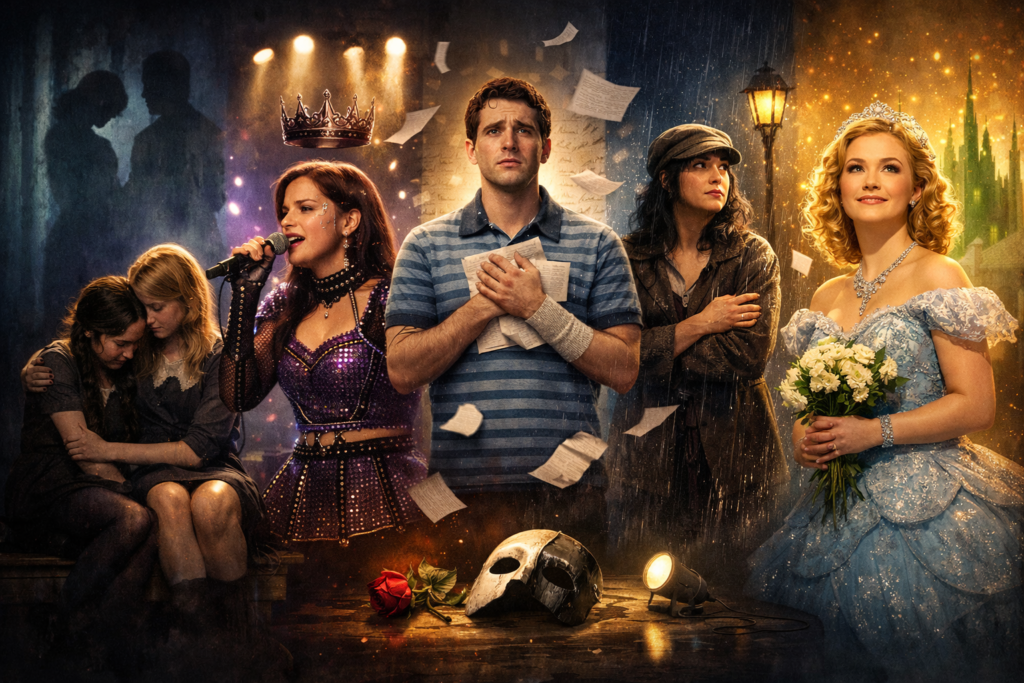
When audiences misread these songs, it can feel like a dismissal of the work performers do to convey the truth of the character.
The Audience as a Collaborative Partner
Musical theatre is collaborative. Writers, composers, directors, choreographers, and performers all contribute to the emotional impact of a song. Audiences play a role too. Their responses shape the atmosphere. Their willingness to engage deeply can elevate the experience for everyone.
When the music turns, it is often the result of careful artistic choices designed to reveal something important. The audience’s job is to meet that moment with openness.
When Music Gives Voice to Silence
Trauma often silences people. Music can give voice to that silence. It can create a space where pain can be expressed safely. But that space only works when it is met with understanding.
When the music turns, it is an invitation to lean in. It is a reminder that not all stories are meant to be comfortable. Some are meant to challenge us, unsettle us, and make us think differently about the world.
Becoming Better Listeners
As audiences, we can choose to listen more closely. We can notice the tension between melody and meaning. We can honor the truth being shared. We can allow ourselves to feel discomfort without escaping it. We can recognize that laughter is not always the appropriate response.
When we do this, we deepen our appreciation for the art form. We also become more attuned to the ways people express pain in real life. We learn to listen for quiet signals, contradictions, and moments when someone’s outward presentation does not match their inner experience.
When the Music Turns, So Do We
Musicals reflect the human experience, with all its contradictions. They remind us that joy and sorrow often coexist, that beauty can emerge from pain, that truth can be found in unexpected places. When the music turns, it is a moment of clarity. It is a chance to see the world through someone else’s eyes.
And if we listen closely, these moments may change us too.
Here’s a tightened and more natural version of your paragraph that keeps your message intact while smoothing the rhythm and tone:
Supporting Autumnelf on Ko‑Fi helps fuel new essays, book projects, ocean‑life explorations, theatrical deep dives, and the creative quests that make Phantom Orca Quest a vibrant, multimedia experience.