A Tale of Shells, Shortages and Seaside Shenanigans
Hermit crabs have always struck me as the ocean’s most endearing little renters. They’re the tiny tenants of the tide pools, shuffling around in borrowed homes with the earnestness of someone who has just discovered that the apartment they found on Craigslist is actually a converted broom closet. They do not build their own shells, of course. They are connoisseurs of pre‑owned real estate, slipping into abandoned snail shells with the hopeful optimism of a creature who believes that this one, finally, will be the perfect fit. But lately, our shelled friends have found themselves in a bit of a bind. A housing crisis, if you will. And unlike the human version, theirs involves fewer spreadsheets and more dramatic scuttling.
This post is my attempt to explore what’s going on with hermit crab housing, why it matters and how we humans keep accidentally making things harder for these tiny seaside wanderers. Grab a cup of something cozy and imagine the sound of waves in the background. We’re heading into the tide pool.
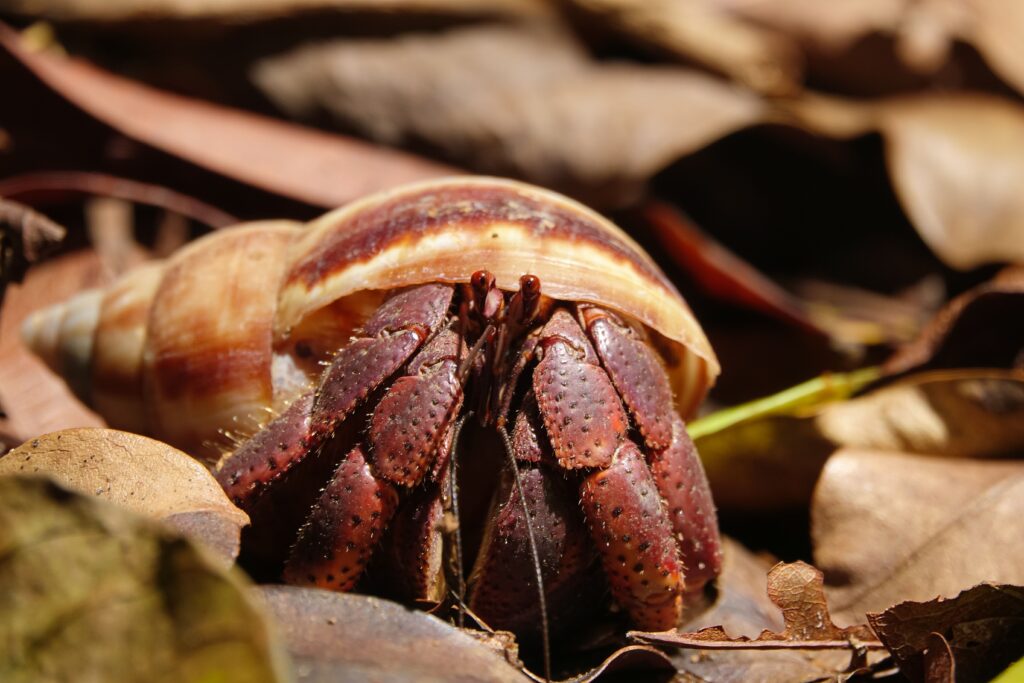
The Shell Shortage: When Home Becomes Hard to Find
Hermit crabs rely on empty snail shells for protection, comfort and the general dignity of not being a soft, squishy creature wandering around the beach unprotected. A good shell is everything. It’s armor, it’s fashion, it’s identity. It’s the difference between “I feel safe enough to go look for snacks” and “I must hide under this rock and contemplate my life choices.”
But the supply of suitable shells has been dwindling. Part of this is due to natural changes in snail populations. Part of it is due to environmental shifts that affect the availability of shells. And part of it is, unfortunately, because humans have a habit of picking up pretty shells and taking them home. I know, I know. A gorgeous spiral shell is hard to resist. It looks so perfect on a bookshelf next to a candle and a framed photo of your favorite beach. But to a hermit crab, that shell is prime real estate. It’s beachfront property with excellent ventilation and a sturdy roof.
When we remove shells from beaches, we’re essentially scooping up the keys to future hermit crab apartments. Imagine if someone wandered through your neighborhood and casually pocketed all the doorknobs. That’s the vibe.
The Great Shell Swap: Hermit Crabs and Their Surprisingly Organized Moving Rituals
One of the most delightful things about hermit crabs is that they don’t just move into new shells randomly. They have a whole system. When a new, larger shell appears, hermit crabs gather around it like shoppers at a Black Friday sale. They line up by size, forming what researchers call a vacancy chain. The largest crab tries the shell first. If it fits, they move in. Their old shell becomes available for the next crab in line, and so on. It’s like a tiny, efficient housing market without the paperwork or the existential dread.
But when shells are scarce, these vacancy chains break down. Crabs end up fighting over shells, squeezing into ones that don’t quite fit or staying in shells that are too small. A hermit crab in an undersized shell is basically wearing jeans from high school and refusing to admit they no longer fit. It’s uncomfortable, it’s impractical and it’s not good for long‑term survival.
The housing crisis doesn’t just affect individual crabs. It affects entire tide pool communities. Without proper shells, hermit crabs are more vulnerable to predators, less able to forage and less likely to thrive. A shortage of shells ripples outward, touching the whole ecosystem.
Humans and the Shell Economy
We humans have a complicated relationship with the ocean. We love it, we visit it, we photograph it, we collect souvenirs from it. But sometimes our affection comes with unintended consequences. Shell collecting is one of those deceptively harmless activities that can have a surprisingly big impact.
Every shell on the beach has a potential future tenant. Even broken shells can be useful. Hermit crabs are not picky. They are the DIY champions of the sea, willing to make do with a chipped, slightly lopsided shell if it means they get to live another day. When we remove shells, we reduce the available housing stock. And when we reduce the housing stock, hermit crabs suffer.
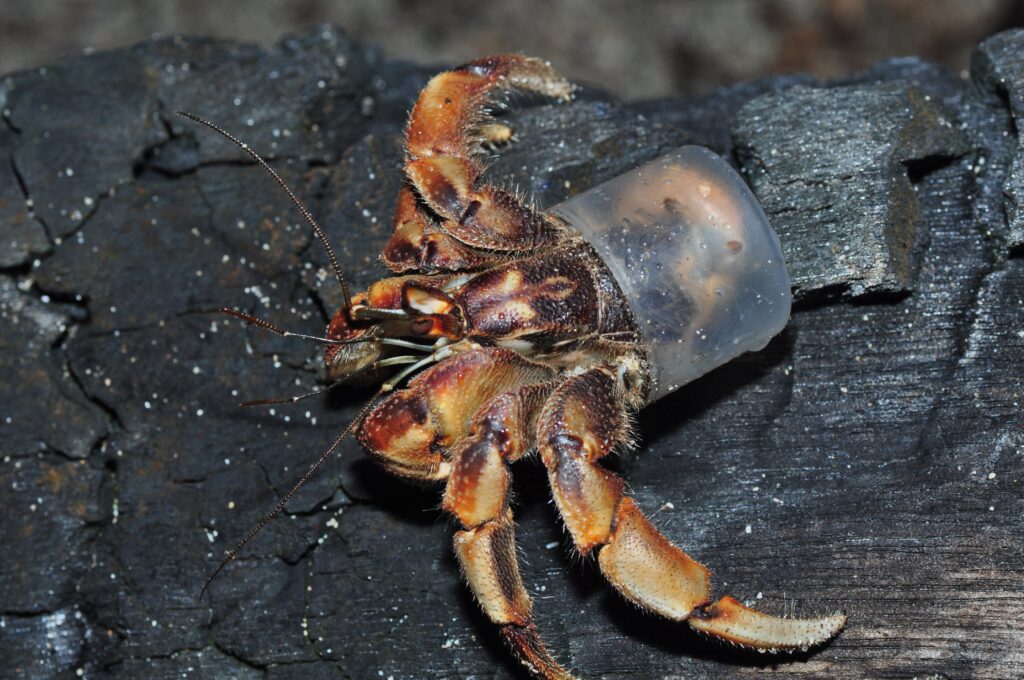
There’s also the issue of plastic. In the absence of natural shells, hermit crabs sometimes move into bottle caps, small containers or other debris. It’s resourceful, yes, but also heartbreaking. A hermit crab wearing a plastic cap is the ocean’s version of someone living in a storage unit. It’s not meant to be a home. It’s just the only option left.
The Rise of Artificial Shells: Creative Solutions for Hermit Crabs in Need
Scientists and conservationists have been working on ways to help hermit crabs find suitable homes. One approach involves creating artificial shells made from biodegradable materials. These shells mimic the shape and feel of natural ones, giving hermit crabs safe housing without relying entirely on snail populations.
Some artists have even gotten involved, designing whimsical shells that look like tiny sculptures. Hermit crabs, being practical creatures, do not care about aesthetics. They care about fit, weight and durability. But the idea of a hermit crab strolling around in a miniature art piece is undeniably charming.
There’s also a movement encouraging beachgoers to leave shells where they find them. It’s a simple act with a big impact. Every shell left on the sand is a potential home for a crab who desperately needs one.
Climate Change and Coastal Challenges
Beyond shell collecting, hermit crabs face broader environmental challenges. Rising sea levels, warming waters and shifting coastal ecosystems all affect the availability of shells and the stability of tide pool habitats. Snail populations change. Wave patterns shift. The delicate balance of intertidal life becomes harder to maintain.
Hermit crabs are resilient. They have survived countless changes over millions of years. But the pace of modern environmental shifts is fast, and their housing crisis is just one symptom of a larger story unfolding along our coastlines.
Hermit Crabs: The Tiny Tenants Who Tell a Bigger Story
Hermit crabs may be small, but their struggles reflect the health of the ecosystems they inhabit. When hermit crabs can’t find shells, it means something is off in the environment. It means snail populations are changing, beaches are being altered or human activity is disrupting natural cycles.
Their housing crisis is a reminder that even the smallest creatures depend on the stability of their surroundings. And when those surroundings shift, the effects ripple outward in ways we might not immediately see.
Hermit crabs also play important roles in their ecosystems. They help clean up detritus, aerate sand and serve as prey for larger animals. Their presence keeps tide pools lively and balanced. Protecting them means protecting the intricate web of life that makes coastal environments so magical.
What We Can Do: Small Actions with Big Impact for Hermit Crabs
The good news is that helping hermit crabs is surprisingly easy. Leaving shells on the beach is one of the simplest ways to support their housing needs. If you absolutely must take a shell home, consider choosing one that is clearly too damaged to be useful. A shell with a giant hole in it might make a lovely decoration without depriving a crab of shelter.
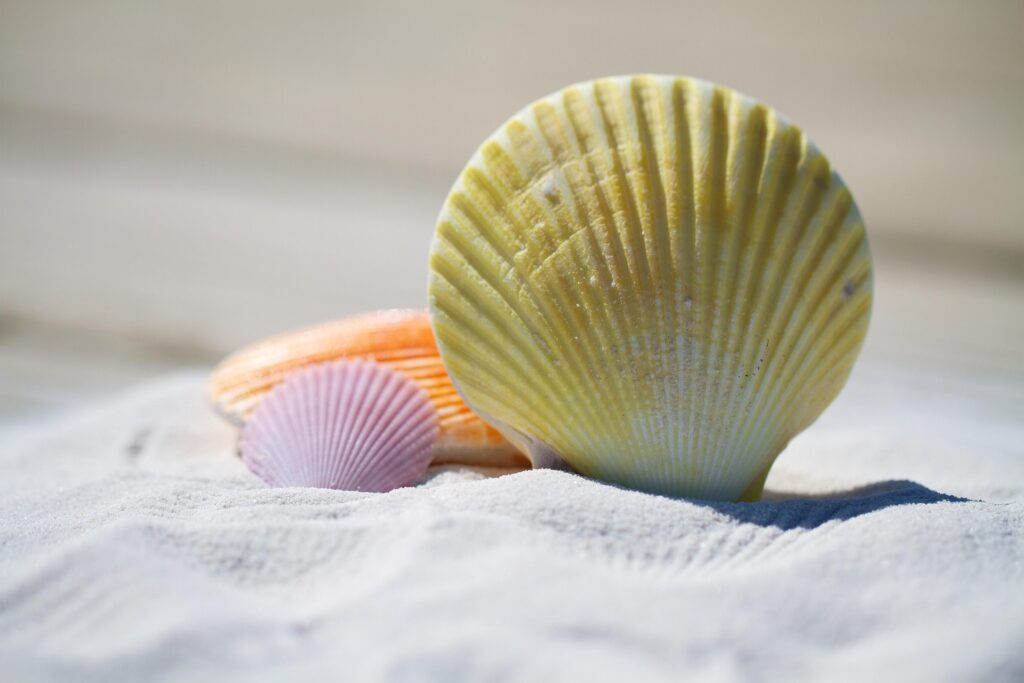
Supporting conservation efforts, reducing plastic waste and being mindful of coastal ecosystems all contribute to healthier habitats. Even learning about hermit crabs, as you’re doing right now, helps raise awareness of their challenges.
And if you ever see a hermit crab wearing a bottle cap, take a moment to appreciate its determination. That little creature is doing its best in a world that has become unexpectedly complicated.
A Closing Thought from the Tide Pool
Hermit crabs remind us that home is not just a place. It’s protection, comfort and the freedom to explore the world without fear. Their housing crisis is a gentle nudge from nature, asking us to pay attention to the small things. The shells we leave behind. The beaches we visit. The ecosystems we share.
So next time you’re walking along the shore, pause before picking up that perfect spiral shell. Somewhere nearby, a hermit crab might be eyeing it with hope, imagining how lovely it would be to move in. And really, who are we to deny a tiny ocean wanderer the joy of a new home?
Supporting Autumnelf on Ko‑Fi helps fuel new essays, book projects, ocean‑life explorations, theatrical deep dives, and the creative quests that make Phantom Orca Quest a vibrant, multimedia experience.
Get Me a Spark of Magic