RENT: The Alphabet City That Never Left Us
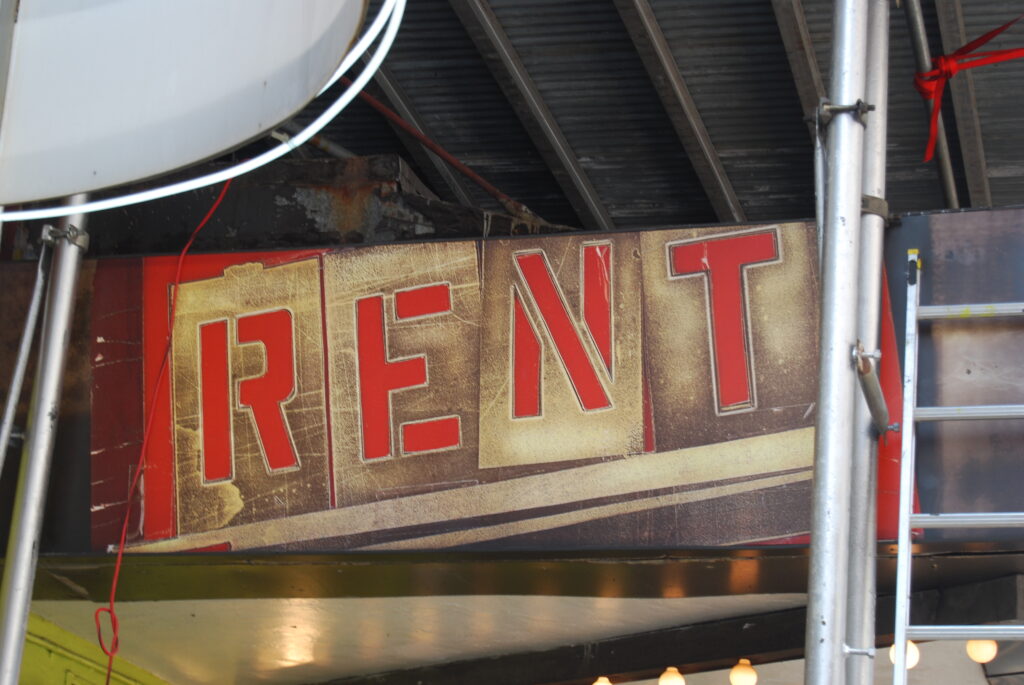
There are two kinds of people in this world. Those who hear the word RENT and immediately start belting about measuring life in love, and those who pretend they don’t know every lyric but absolutely do. Yet beneath the nostalgia, the bohemian chic, the candle‑lit lofts, and the questionable heating situation, RENT is not just a time capsule of the 1990s. It is a mirror that keeps reflecting back at us long after the era of pay phones and answering machines has faded.
In 2026, the show feels less like a period piece and more like a documentary with better music. The AIDS crisis that shaped its emotional core has evolved into a broader conversation about healthcare inequality. The queer survival narrative remains painfully relevant. Housing precarity has only intensified. The gig economy has turned the bohemian dream into a spreadsheet of side hustles. And the economics of art continue to resemble a cosmic joke told by a landlord who raises rent every six months.
So let us take a warm, slightly chaotic stroll through the world of RENT and explore why its bohemia still matters. No lists. No emdashes. Just vibes, analysis, and a few jokes to keep the lights on.
The Ghost of the AIDS Crisis and the Reality of Healthcare in 2026
RENT was born from the shadow of the AIDS epidemic. Its characters live with the knowledge that time is not guaranteed. They take AZT on schedules that feel like lifelines. They build community because the world around them refuses to care. In 1996, this was a radical act of visibility. In 2026, it is a reminder that healthcare access remains a privilege rather than a right.
The modern landscape is different, yet the echoes are unmistakable. Treatments have advanced, but the cost of staying alive has not become gentler. Insurance labyrinths still swallow people whole. Pharmaceutical pricing still feels like a villain monologue. And marginalized communities still bear the brunt of systemic neglect.
The show’s insistence on love as a form of resistance resonates in a world where survival often depends on mutual aid networks, community clinics, and the generosity of strangers. The characters’ vulnerability is not a relic of the past. It is a reflection of the present, where many still ration medication, delay doctor visits, or rely on crowdfunding to cover medical bills.
RENT reminds us that illness is not just a medical condition. It is a social one. It exposes the cracks in the system. It reveals who gets care and who gets ignored. It shows how communities step in when institutions fail. And in 2026, those lessons remain heartbreakingly relevant.
Queer Survival in RENT as a Continuing Story
One of RENT’s greatest strengths is its portrayal of queer life as vibrant, messy, joyful, and complicated. It does not sanitize. It does not apologize. It does not reduce queer characters to sidekicks or metaphors. It lets them love loudly, fight passionately, and exist fully.
In 2026, queer survival is still a story worth telling. Progress has been made, but backlash has grown just as quickly. Rights are gained and threatened in the same breath. Representation has expanded, yet queer people still navigate a world that often misunderstands or politicizes their existence.
The show’s depiction of chosen family remains a lifeline. Many queer people still rely on communities they build rather than the ones they were born into. The tenderness between characters like Angel and Collins continues to feel revolutionary because unconditional queer love is still treated as something unusual rather than something ordinary.
RENT’s bohemia is not just about art and rebellion. It is about creating a world where queer people can breathe. In 2026, that world is still under construction. The scaffolding is visible. The work is ongoing. And the musical’s insistence on joy as defiance remains a powerful reminder that queer survival is not just about enduring. It is about living.
Housing Precarity: The Rent Is Still Too High
If RENT were written today, the characters would not be squatting in a loft. They would be refreshing apartment listings, crying into their iced coffee, and calculating whether they could survive on a diet of instant noodles and hope. The housing crisis has become a national pastime. Entire generations have become experts in the art of negotiating with landlords, navigating roommate drama, and pretending that a converted pantry counts as a bedroom.
The show’s central conflict revolves around the threat of eviction. In 1996, this was a commentary on gentrification and the displacement of artists and marginalized communities. In 2026, it feels like a universal experience. Housing precarity has become the default setting for millions.
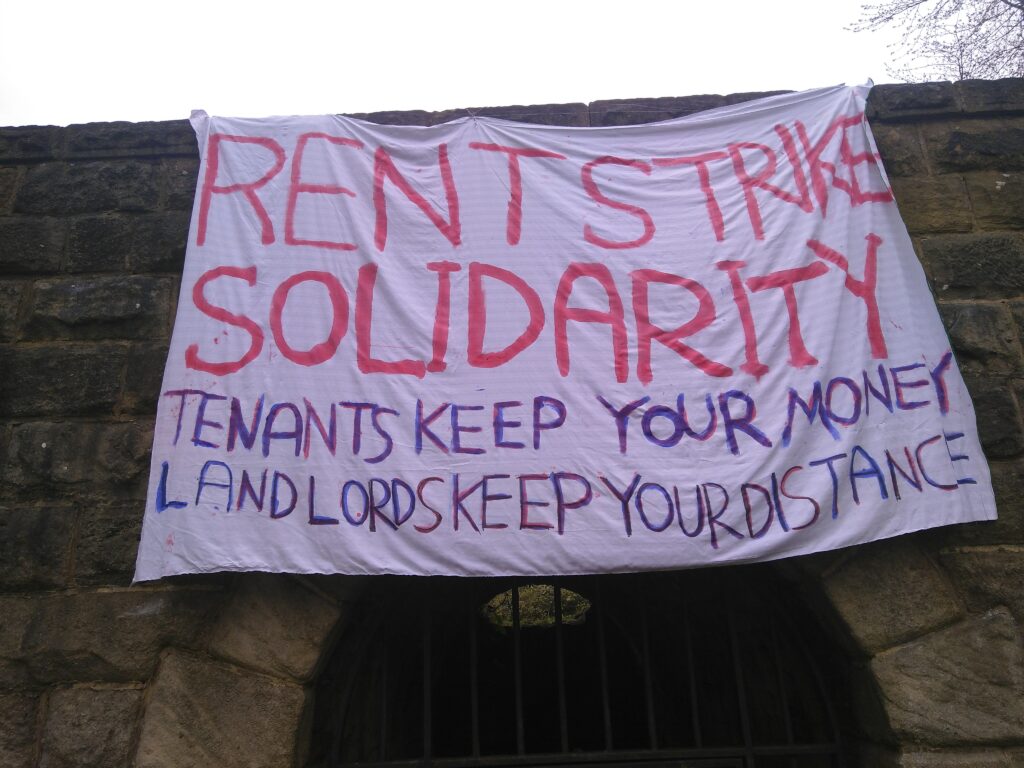
The bohemian dream of living in a loft with your artist friends has been replaced by the reality of living in a micro‑studio with a window that faces a brick wall. The idea of refusing to pay rent as an act of rebellion has been replaced by the fear of credit score damage and the knowledge that there are ten people waiting to take your place.
RENT captures the emotional weight of housing insecurity. The fear of losing your home. The frustration of watching neighborhoods transform into playgrounds for the wealthy. The grief of seeing community spaces replaced by luxury developments. These themes have only intensified. The show’s portrayal of housing as both a physical and emotional anchor remains painfully accurate.
The Gig Economy and the Myth of the Modern Bohemian
In RENT, the characters are artists, filmmakers, musicians, and performers. They live on the edge of financial ruin, but they also live with a sense of creative freedom. Their bohemia is chaotic but romantic. Their poverty is difficult but purposeful. Their art is their identity.
In 2026, the gig economy has taken the bohemian archetype and turned it into a corporate business model. The modern artist is not just creating. They are freelancing, contracting, side hustling, and juggling multiple platforms. They are their own marketing team, accountant, social media manager, and customer service representative. The dream of living for your art has been replaced by the reality of living for your algorithm.
The gig economy promises flexibility but often delivers instability. It offers independence but demands constant availability. It celebrates creativity but rarely compensates it fairly. The bohemian lifestyle has become a brand rather than a rebellion.
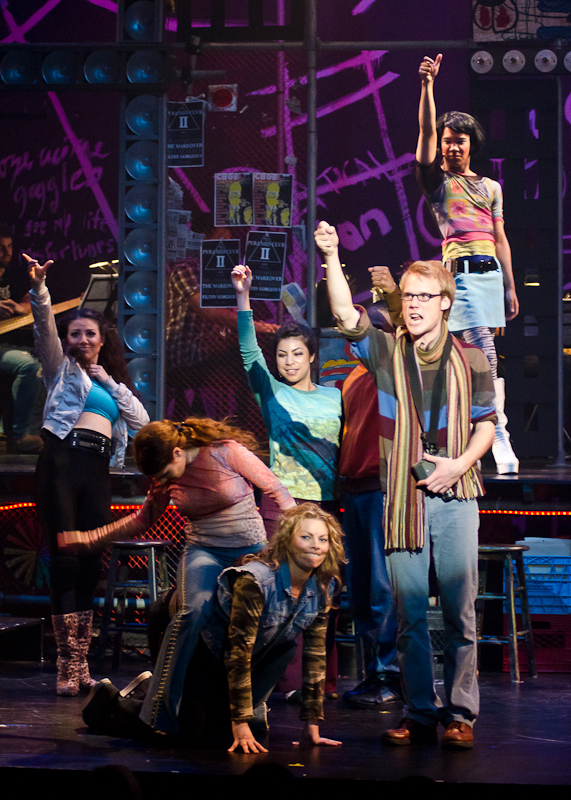
RENT’s characters struggle with money, but they also struggle with meaning. They want to create something that matters. They want to live authentically. They want to resist the pressure to conform. In 2026, those desires remain universal. The tension between artistic passion and economic survival has only grown sharper.
The show’s portrayal of art as both a calling and a burden resonates deeply in a world where creative labor is often undervalued. The gig economy has made it easier to share art but harder to make a living from it. The bohemian spirit survives, but it does so with a spreadsheet open in the background.
RENT’s Economics of Art: Still a Beautiful Struggle
RENT is a love letter to art and a critique of the systems that make art difficult to sustain. It celebrates the power of creation while acknowledging the financial realities that shape artistic lives. In 2026, the economics of art remain a puzzle that no one has fully solved.
Artists today navigate a landscape dominated by streaming platforms, content algorithms, and monetization strategies. Exposure is abundant, but compensation is scarce. Creative work is consumed rapidly and often for free. The pressure to produce constantly can overshadow the joy of creation.
The show’s insistence that art is essential feels even more urgent now. In a world saturated with content, genuine artistic expression becomes a form of resistance. The characters’ commitment to their craft, despite financial hardship, reflects a truth that many artists still live. Art is not just a product. It is a necessity. It is a way of understanding the world. It is a way of surviving it.
RENT reminds us that art has value beyond its market price. It builds community. It challenges norms. It captures emotions that cannot be quantified. In 2026, when creative labor is often undervalued, the show’s message feels like a rallying cry.
Bohemia as a Political and Emotional Space
Bohemia in RENT is not just a neighborhood. It is a philosophy. It is a refusal to accept the world as it is. It is a commitment to authenticity, community, and creativity. It is messy, idealistic, and sometimes impractical, but it is also deeply human.
In 2026, bohemia matters because it offers an alternative to the relentless pace of modern life. It challenges the idea that productivity defines worth. It celebrates connection over consumption. It values passion over profit. It reminds us that life is not just about survival. It is about meaning.
The show’s bohemia is imperfect. It is filled with conflict, heartbreak, and uncertainty. Yet it is also filled with love, laughter, and resilience. It shows that community can be a source of strength. It shows that art can be a form of activism. It shows that living authentically is a radical act.
In a world shaped by economic pressure, political tension, and social fragmentation, the bohemian spirit offers a reminder that another way of living is possible. It may not be easy, but it is worth striving for.
Conclusion: Why RENT Still Sings in 2026
RENT endures because it speaks to the parts of us that refuse to give up. It captures the beauty and pain of being alive. It confronts the realities of illness, inequality, and insecurity while celebrating the joy of love, art, and community.
In 2026, its themes remain strikingly relevant. Healthcare inequality continues to shape lives. Queer survival remains a story of resilience. Housing precarity affects millions. The gig economy reshapes the meaning of work. The economics of art challenge creators every day.
Yet through all of this, the show insists that life is worth living. That love is worth fighting for. That community is worth building. That art is worth creating. That bohemia, in all its chaotic glory, still matters.
RENT is not just a musical. It is a reminder that even in difficult times, we can choose connection over isolation, creativity over despair, and love over fear. And in 2026, that message feels more necessary than ever.
Supporting Autumnelf on Ko‑Fi helps fuel new essays, book projects, ocean‑life explorations, theatrical deep dives, and the creative quests that make Phantom Orca Quest a vibrant, multimedia experience.