Video games are built from pixels and polygons, sure, but the thing that actually reaches into your chest and squeezes your heart is the soundtrack. You can be wandering through a quiet forest, sprinting from a boss the size of a small apartment building, or staring at a menu screen for longer than you’d like to admit, and the soundtrack is right there guiding your emotions like a tiny invisible conductor. It’s the secret sauce that turns gameplay into an experience. Without music, even the most beautifully rendered world feels a little like a mall after closing time. Pretty, but unsettling.
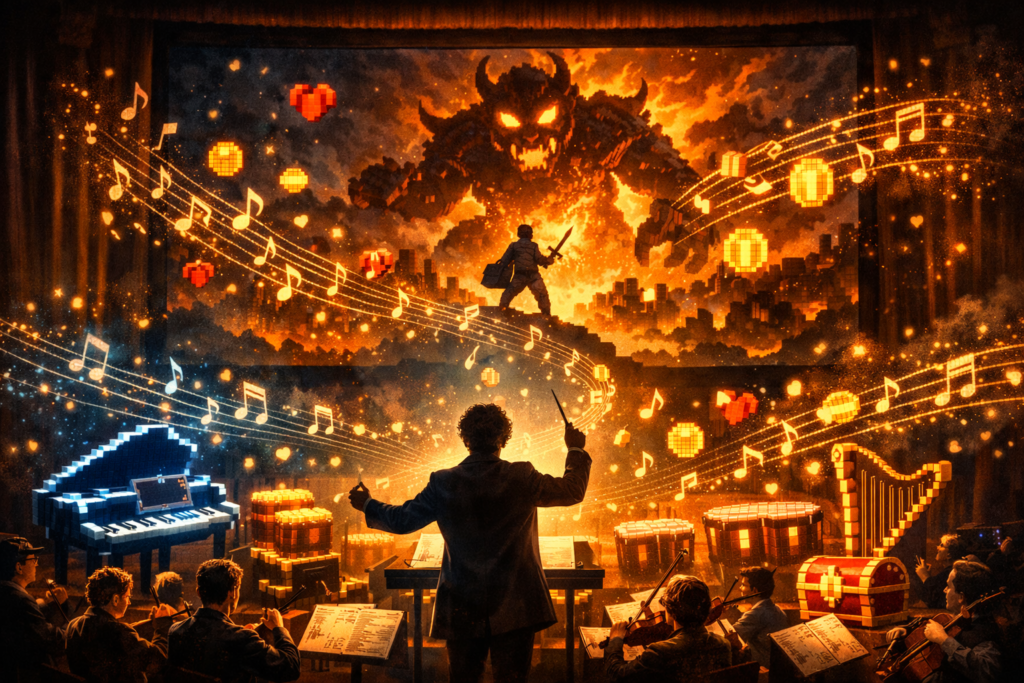
Music in games doesn’t just sit in the background. It’s a storyteller, a mood setter, a hype machine, and sometimes a gentle hand on your shoulder reminding you that you can absolutely beat this dungeon even if you’ve already died six times and your last healing potion is gone. It’s the emotional architecture of the game world, and once you start paying attention to how it works, you’ll never hear your favorite titles the same way again.
The Emotional Blueprint of Music
Game composers aren’t just writing pretty tunes. They’re building emotional scaffolding. Think about the first time you heard the sweeping choral intensity of “One Winged Angel.” Even if you didn’t know a thing about Sephiroth, that orchestration told you everything. This guy is trouble. This guy is dramatic. This guy probably moisturizes. The musical score sets the tone before the character even lifts his sword.
Or take the “Pokemon Main Theme.” It’s bright, adventurous, and just a little nostalgic. It makes you feel like you’re about to embark on the greatest journey of your life, even if that journey involves repeatedly losing to a ten year old with a Pikachu. The bouncy soundtrack is doing emotional heavy lifting, telling you what kind of story you’re stepping into.
Music in games often mirrors the emotional arc of the player. When you’re exploring, it’s curious. When you’re fighting, it’s intense. When you’re sad, it’s soft. When you’re victorious, it’s triumphant. It’s like the soundtrack is your best friend who always knows exactly what you’re feeling and has a playlist ready to go.
Music as a Worldbuilding Tool
Worldbuilding isn’t just lore and landscapes. It’s sound. The Lost Woods theme from The Legend of Zelda doesn’t just accompany a forest. It is the forest. It’s mischievous, looping, and just a little mysterious, like the trees themselves are playing tricks on you. The music tells you that this place is magical long before you see a single glowing fairy.
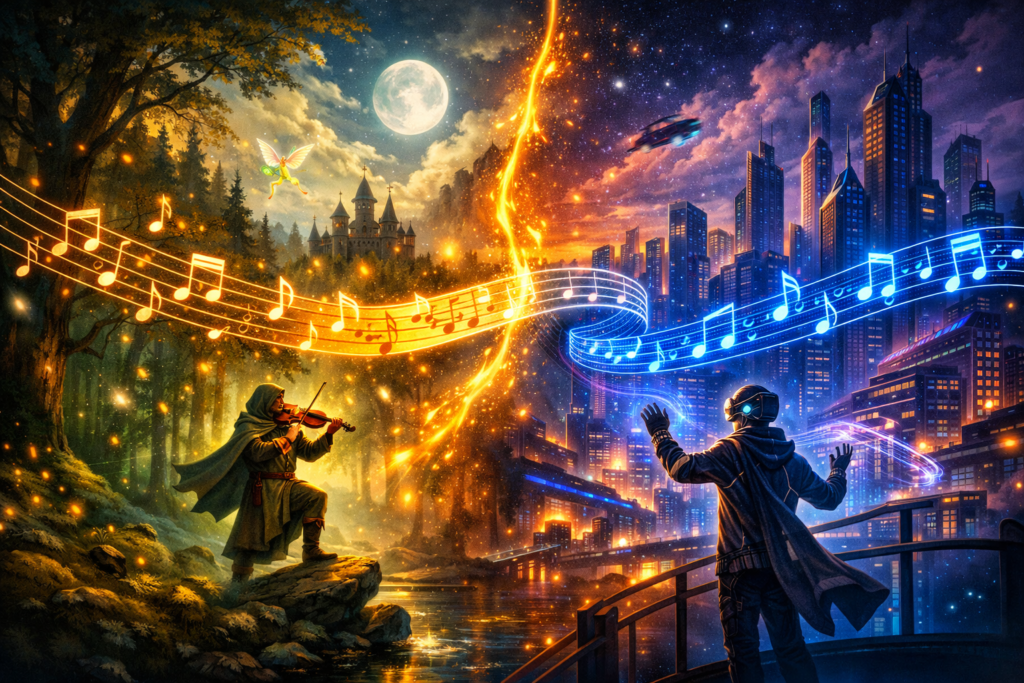
Composers use instrumentation to define worlds. A sci-fi game might lean into synthetic textures and electronic pulses. A fantasy game might use strings, woodwinds, and choral arrangements. A horror game might use dissonance, silence, or sounds that make you wonder if your headphones are haunted. These intentional sound choices becomes part of the environment, shaping how you perceive the space around you.
Even menu screens have their own musical identity. Ever noticed how the game’s menu is usually calm, steady, and reassuring? It’s like the game is saying, hey, take your time, adjust your settings, hydrate, emotionally prepare yourself. Then you hit start and the soundtrack throws you into the deep end.
Music and Player Psychology
There’s a reason battle themes make your heart race. Sound affects your physiology. Fast tempos, sharp rhythms, and bold melodies activate your fight or flight response. Suddenly you’re laser focused, your palms are sweaty, and you’re convinced you can take down a dragon even though you’re wearing armor made of hopes and dreams.
On the flip side, peaceful exploration music lowers your stress levels. It encourages curiosity, patience, and a sense of wonder. It’s the musical equivalent of a warm cup of tea. You wander, you breathe, you take in the scenery, and you feel safe enough to poke around in corners that may or may not contain treasure.
Music also helps with memory. You might forget the exact layout of a dungeon, but you’ll remember its theme. You might forget the stats of a weapon, but you’ll remember the song that played when you first picked it up. Music becomes a mental anchor, tying emotional moments to melodies.
The Craft Behind Game Scores
Composing for games is a special kind of magic trick. Unlike film, where the music follows a fixed timeline, game music has to adapt to player behavior. You might sprint through an area or you might spend twenty minutes trying to jump onto a ledge that is absolutely not meant to be jumped onto. The music has to be ready for both.
This is where adaptive scoring comes in. Composers create layers of music that shift depending on what the player is doing. Maybe the peaceful exploration theme slowly adds percussion as enemies approach. Maybe the battle theme fades out when you flee. Maybe the music swells when you discover something important. It’s dynamic, responsive, and designed to feel seamless.
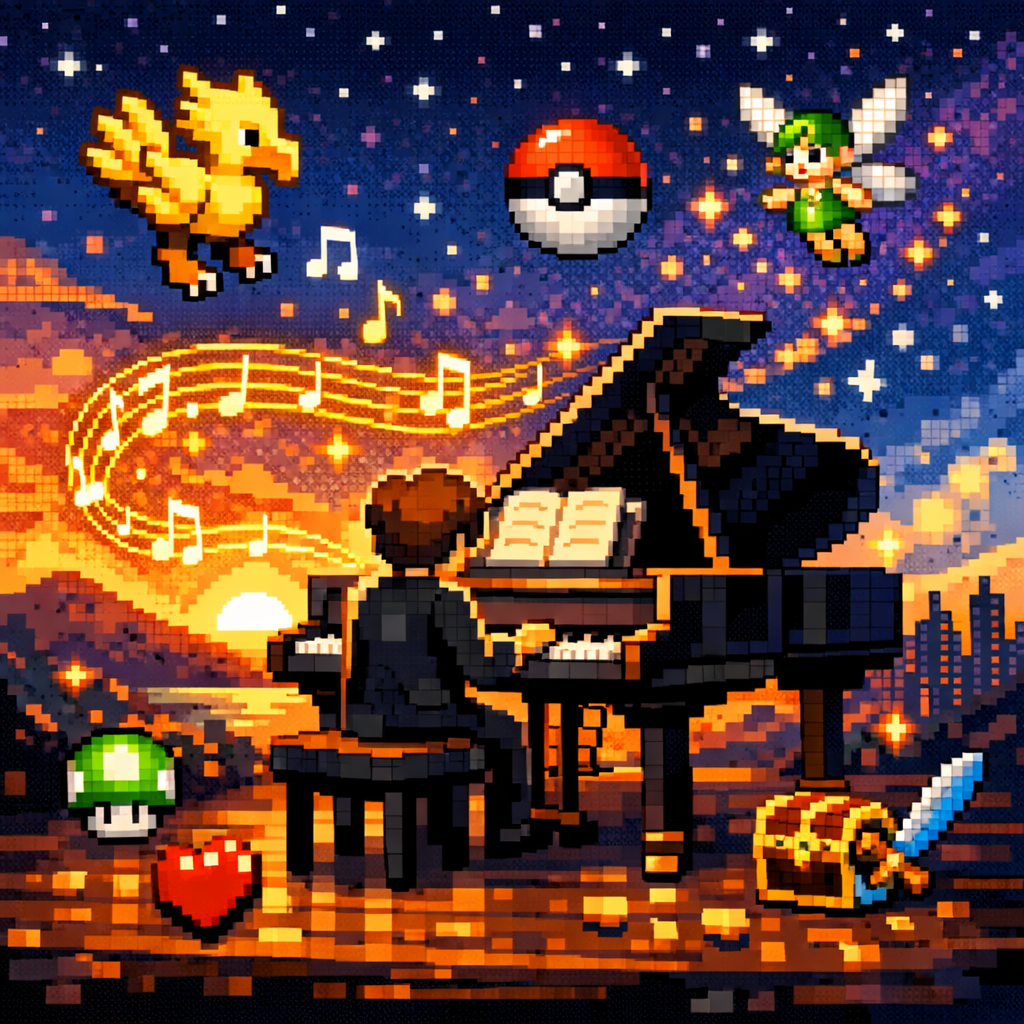
There’s also the challenge of repetition. Players might hear the same theme hundreds of times. It has to be catchy without being annoying, memorable without being overwhelming, and complex enough to stay interesting. It’s a delicate balance, and when composers nail it, the music becomes iconic.
Music and Nostalgia
Video game music has a special relationship with nostalgia. Hearing a theme from a childhood game can hit you harder than a reunion with your favorite stuffed animal. It’s instant emotional teleportation. Suddenly you’re back in your bedroom, sitting cross legged on the floor, trying to beat a boss that seemed impossible at the time.
Music carries memories. It reminds you of who you were when you first played the game. It reminds you of the excitement, the frustration, the triumph. It reminds you of the friends you played with, the late night sessions, the moments that made you fall in love with gaming. It’s a time machine disguised as a melody.
Why Music Matters More Than We Realize
We often talk about graphics, gameplay, mechanics, and story, but music is the glue that holds everything together. It’s the emotional heartbeat of the game. Without it, even the most impressive visuals feel hollow. With it, even simple pixel art can feel epic.
Music helps us connect to characters. It helps us understand worlds. It helps us feel emotions that the game might not be able to convey through visuals alone. It’s the invisible storyteller that whispers in your ear, guiding your journey.
And let’s be honest. Some of the best moments in gaming are musical. The first time you hear a battle theme kick in. The quiet melody that plays during a heartfelt cutscene. The triumphant fanfare when you finally beat a boss that has been bullying you for hours. These moments stay with us. Some even become our alarms or ringtones.
The Sound of Player Companionionship
Music doesn’t just accompany gameplay. It becomes part of your personal gaming ritual. Maybe you hum along to certain themes. Maybe you listen to game soundtracks while working or studying. Maybe you have a playlist of boss themes that make you feel unstoppable. Music becomes part of your life outside the game.
There’s something comforting about knowing that no matter what kind of day you’ve had, you can boot up a game and be greeted by familiar music. It’s like the game is saying welcome back. We missed you. Ready for another adventure.
The Future of Game Audio
As technology evolves, game music is becoming more immersive. We’re seeing bigger orchestras, more complex adaptive systems, and collaborations with major artists. Games are experimenting with spatial audio, procedural composition, and interactive soundscapes that respond to player choices in real time.
Music is becoming even more integral to storytelling. Imagine a game where the soundtrack changes based on your moral decisions. Imagine a world where the music evolves as your character grows. Imagine a battle theme that shifts depending on your emotional state. The possibilities are endless.
And players are more engaged with game music than ever. Soundtrack albums, live concerts, symphonic tours, and fan remixes are thriving. Game music has stepped out of the background and claimed its rightful place as a major artistic force.
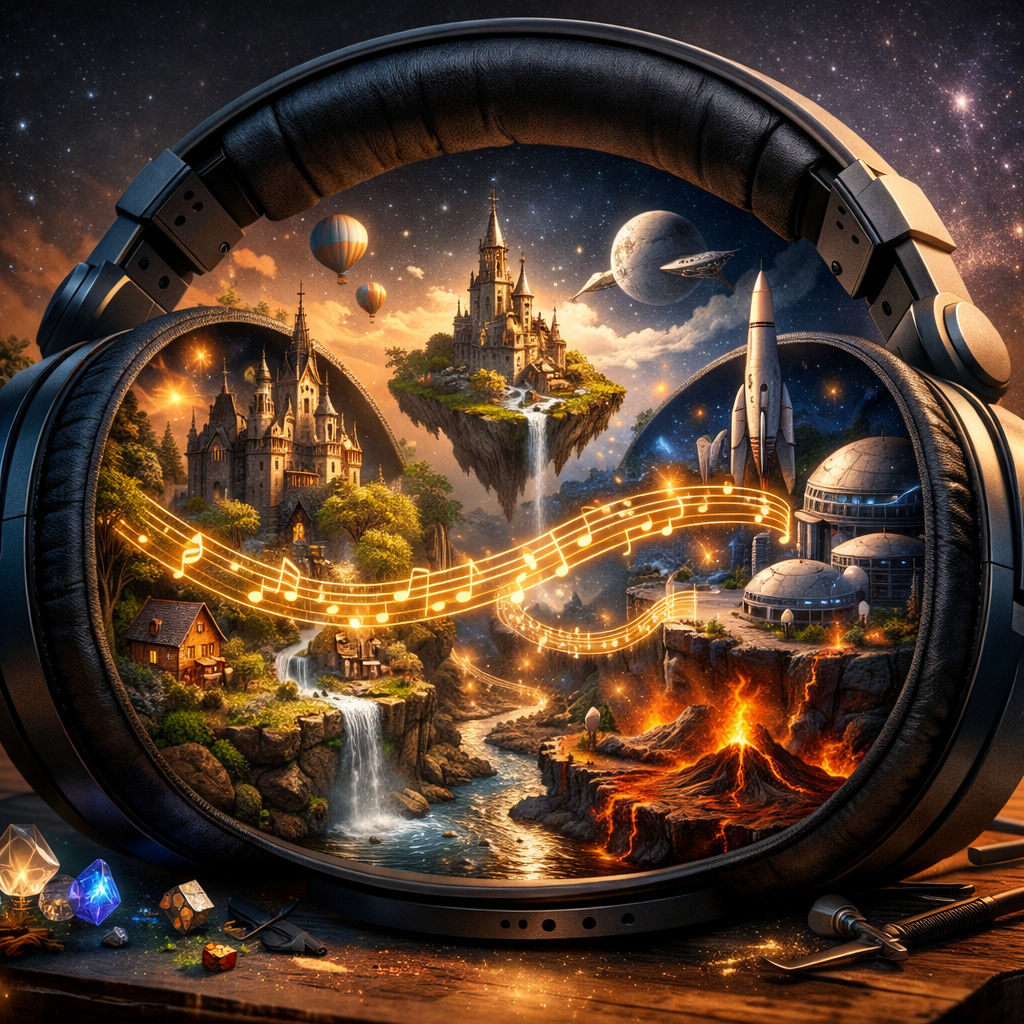
Music to Game By
At the end of the day, music is what makes gaming feel alive. It’s the pulse beneath the pixels. It’s the emotional compass that guides your journey. It’s the thing that makes you feel brave, curious, nostalgic, excited, and sometimes just a little chaotic.
From the soaring drama of “One Winged Angel” to the cheerful adventure of the “Pokemon Main Theme” to the looping mystery of “Lost Woods,” game music shapes the way we play. It shapes the way we remember. It shapes the way we connect to the worlds we love.
So the next time you pick up a controller, take a moment to listen. Really listen. The music is telling a story. And it’s a story worth hearing.
Supporting Autumnelf on Ko‑Fi helps fuel new essays, book projects, ocean‑life explorations, theatrical deep dives, and the creative quests that make Phantom Orca Quest a vibrant, multimedia experience.
Get Me a Spark of Magic