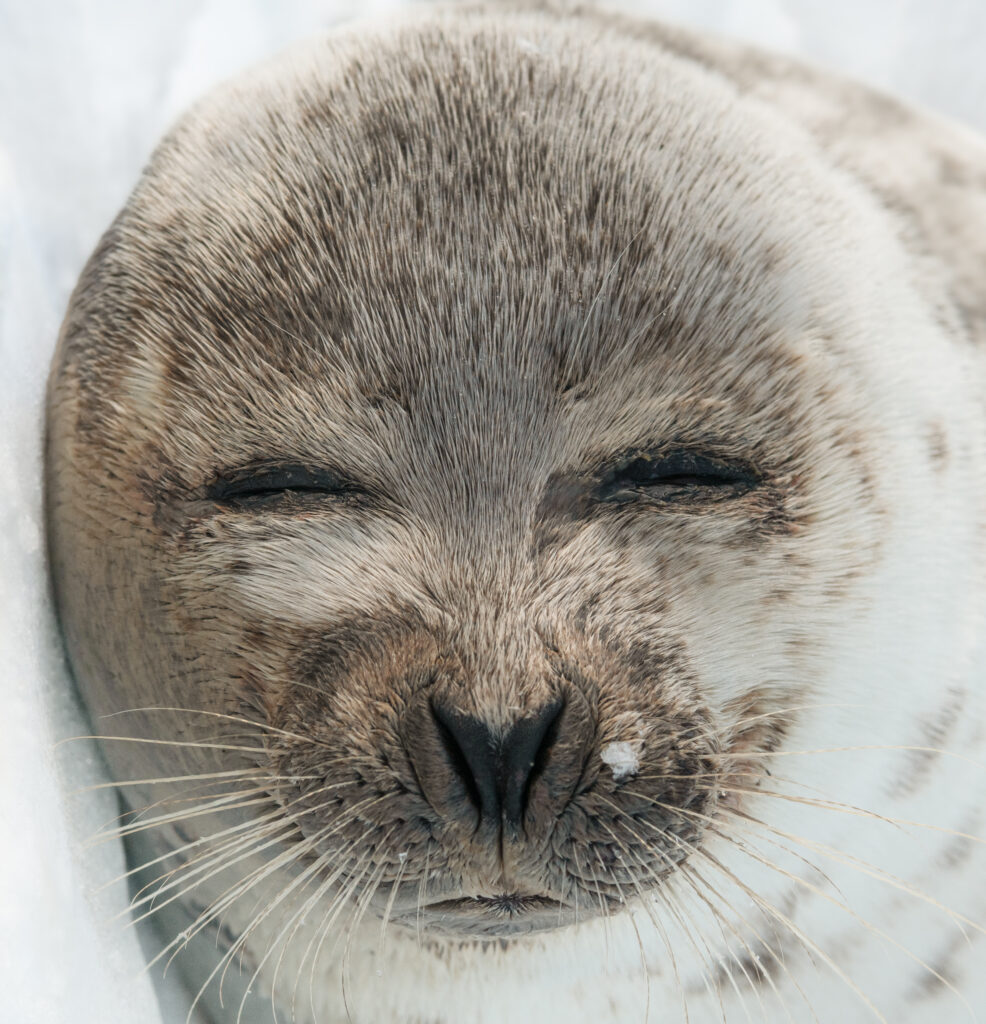
There is a moment on the ice when everything feels brand new. A tiny harp seal pup blinks up at the sky, wrapped in a coat so white it looks like someone dusted the Arctic with confectioner’s sugar. The pup doesn’t know it’s adorable. It doesn’t know it’s about to become the poster child for winter cuteness. It only knows the cold beneath its belly, the warmth of its mother, and the shimmering horizon stretching farther than any baby eyes can comprehend.
Life Begins on the Ice
Late winter in the North Atlantic is not what most creatures would call cozy. The wind has opinions. The ice shifts like it’s trying to rearrange the furniture. Yet this is exactly where harp seal mothers choose to give birth. The pack ice becomes a nursery, a temporary cradle floating on the sea.
The pups arrive wearing their famous white coat, a thick layer of insulating fur that traps warmth and makes them look like plush toys someone left out in the snow. This coat is more than a fashion statement. It’s survival gear. The Arctic doesn’t do gentle breezes. It does “your breath turns into tiny ice crystals” weather. The white coat helps the pup stay warm while blending into the landscape, which is helpful when you’re basically a helpless marshmallow with flippers.
The Harp Seal Pup and Its First Days
For the first twelve days of life, the pup nurses on milk so rich it could probably be churned into butter. Harp seal mothers produce milk that is more than forty percent fat. The pup drinks and drinks, swelling from around twenty pounds to nearly eighty in less than two weeks. If humans did that, we’d have to roll everywhere like sentient snowballs.
This rapid growth is essential because harp seal mothers don’t linger. After those twelve days, the mother’s job is done. She returns to the sea, leaving her pup behind on the ice. It sounds harsh, but harp seals evolved for this rhythm. The pup has stored enough fat to survive for weeks while it learns how to swim and hunt. It’s a crash course in independence, Arctic edition.
The Harp Seal and the Transformation Ahead
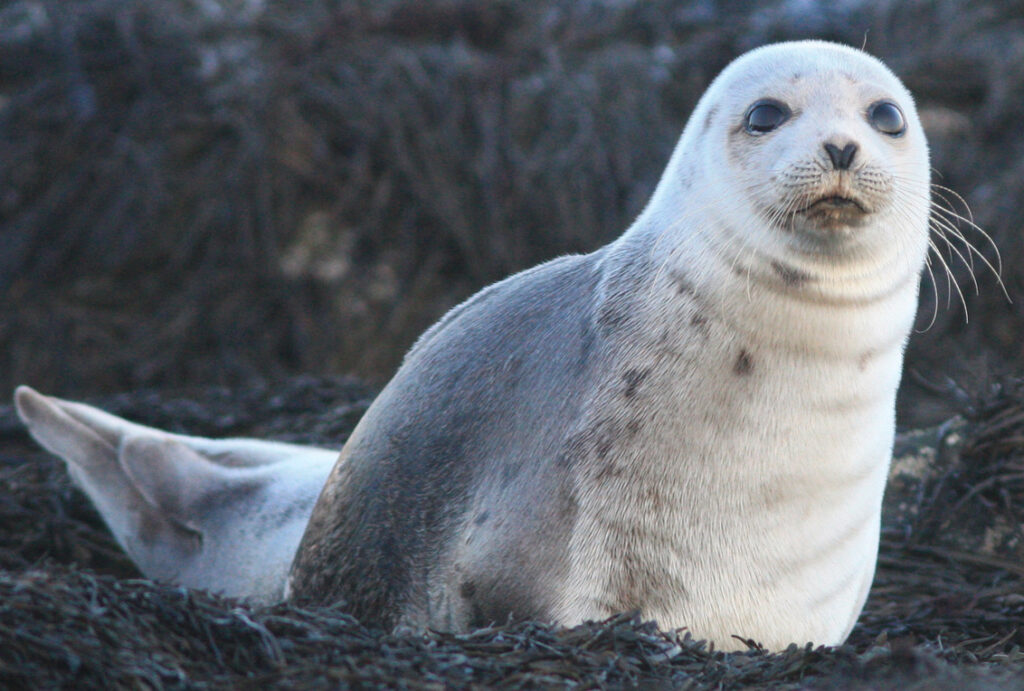
The iconic white coat doesn’t last long. After about three weeks, the pup begins to shed its fluffy fur and reveal a sleeker, silvery coat underneath. This new look is better suited for life in the water. The transformation is so dramatic that the pup goes from looking like a snowball to looking like a tiny submarine with whiskers.
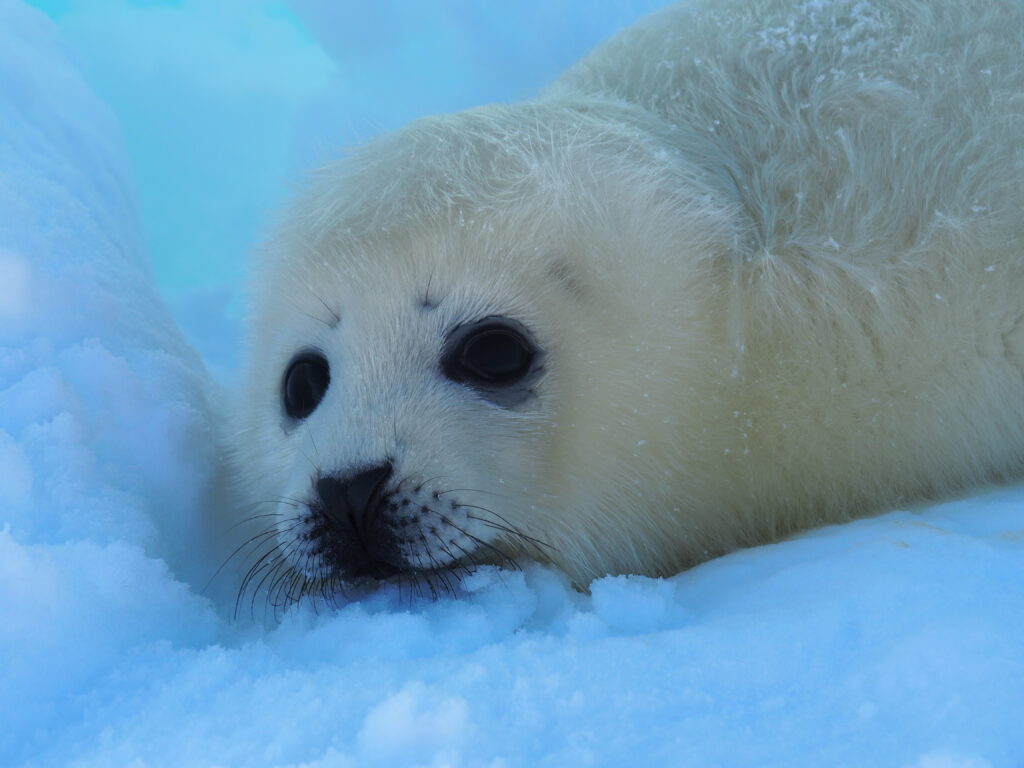
During this time, the pup practices swimming in shallow water near the ice edge. Imagine a baby harp seal flopping into the water for the first time, eyes wide, flippers paddling like it’s trying to remember instructions it never actually received. It’s clumsy at first, but instinct kicks in. Soon enough, the pup is diving, surfacing, and exploring the underwater world that will become its true home.
Underwater Adventures
Once the pup fully transitions to its juvenile coat, it begins to roam. Harp seals are incredible travelers. They migrate thousands of miles each year, following the shifting patterns of sea ice and fish populations. Their world is a blend of shimmering ice floes, deep blue water, and the constant hum of ocean life.
Under the ice, harp seals navigate with ease. They can dive hundreds of feet and stay underwater for more than fifteen minutes. Their bodies are built for cold water, with thick blubber and a metabolism that knows exactly how to conserve energy. The ocean is where harp seals thrive, but the ice remains a crucial part of their life cycle. Without stable ice, the nursery falls apart.
Changing Ice and the Harp Seal’s Changing Futures
This is where the story becomes more complicated. The ice harp seals depend on is changing. Warmer temperatures mean thinner ice, earlier melting, and unpredictable conditions. Some years, the ice forms too late or breaks apart too soon, leaving mothers without a safe place to give birth.
When the ice fails, pups can be separated from their mothers or forced into the water before they’re ready. A newborn harp seal cannot swim. It needs those twelve days of nursing to build strength. Losing the nursery means losing the foundation of survival.
Scientists studying harp seals have documented increasing pup mortality in years with poor ice coverage. It’s a quiet crisis happening far from human eyes, but its impact ripples through the ecosystem. Harp seals are part of a larger Arctic rhythm, and when one part falters, the whole system feels the strain.
Adaptation and Resilience
Despite these challenges, harp seals are resilient. They’ve survived countless shifts in climate over thousands of years. Their migrations adjust. Their timing shifts. They follow the ice wherever it goes. But the pace of modern climate change is faster than anything they’ve faced before, and adaptation has limits.
Researchers are exploring how harp seals might cope with a future where stable ice is less reliable. Some populations may shift northward. Others may alter breeding timing. The species is not disappearing, but it is navigating a world that’s changing beneath its flippers.
Why We Love These Harp Seal Pups
There’s something irresistible about harp seal pups. Maybe it’s the round faces. Maybe it’s the fluffy fur. Maybe it’s the way they look like they’re perpetually surprised by existence. Whatever the reason, humans have been enchanted by them for centuries.
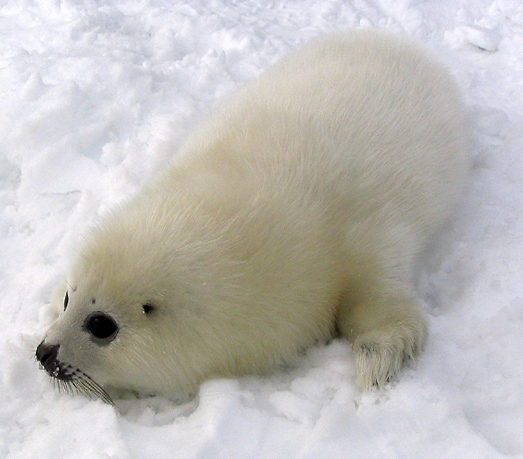
This fascination has helped raise awareness about their habitat. When people care about an animal, they pay attention to its world. The nursery becomes more than a distant patch of ice. It becomes a symbol of the delicate balance that keeps Arctic ecosystems alive.
A Window Into Arctic Life
Watching harp seal pups grow is like watching the Arctic breathe. The ice forms, mothers gather, pups are born, coats change, and the migration begins again. It’s a cycle that has repeated for generations, guided by the seasons and the shifting sea.
The nursery shows how interconnected everything is. The ice supports the seals. The seals support the predators that hunt them. The predators influence the fish populations. The fish shape the ocean currents. It’s a chain of life that stretches from the smallest plankton to the largest whales.
When climate change disrupts one link, the whole chain trembles. The harp seal nursery is a reminder that even the cutest creatures can teach us profound lessons about the planet.
Looking Ahead for White Coats
There is hope. Conservation efforts, climate research, and international agreements are working to protect Arctic habitats. Scientists are monitoring ice patterns, studying seal populations, and advocating for policies that reduce emissions and preserve ecosystems.
The future of harp seal pups depends on the choices humans make today. Protecting the nursery means protecting the rhythm of the Arctic. It means ensuring that future generations of pups can blink up at the sky from a safe patch of ice, wrapped in their fluffy white coats, unaware of how many hearts they’re about to steal.
Wonder on the Ice
The world of harp seals is full of contrasts. It’s harsh and gentle, cold and vibrant, fragile and resilient. A newborn pup lying on the ice embodies all of these contradictions. It’s tiny, yet part of something vast. It’s vulnerable, yet built for survival. It’s adorable, yet deeply symbolic of the challenges facing the Arctic.
Spending time with the story of harp seal pups reminds us that nature is both teacher and treasure. The nursery on the ice is more than a birthplace. It’s a testament to the power of adaptation, the beauty of life in extreme places, and the importance of protecting the environments that sustain creatures we may never meet in person.
And honestly, if the planet needs a mascot for climate awareness, a fluffy harp seal pup seems like a pretty solid candidate. It’s hard to ignore a face that looks like it’s asking you to please, pretty please, keep the ice around a little longer.
Supporting Autumnelf on Ko‑Fi helps fuel new essays, book projects, ocean‑life explorations, theatrical deep dives, and the creative quests that make Phantom Orca Quest a vibrant, multimedia experience.
Get Me a Spark of Magic