Villains have a funny habit of stealing the spotlight. They burst onto the stage with swagger, confidence, and a melody so catchy it practically crawls into your brain, sets up a hammock, and refuses to leave. Heroes may get the heartfelt ballads and the triumphant finales, but the villain gets the tune you hum while brushing your teeth. There is something deliciously irresistible about a villain song, and once you start noticing the pattern, you can’t unsee it. Villains get the better anthems, and honestly, they know it.
Why the Villain Steals the Musical Spotlight
The villain is free. That’s the secret sauce. Heroes are busy being noble and conflicted and weighed down by destiny. Villains are busy having fun. They’re dramatic, theatrical, and often just a little unhinged, which is perfect fuel for a memorable melody. When King George in Hamilton strolls out in his royal finery and chirps “Da da da dat da,” he’s not weighed down by moral dilemmas. He’s vibing. He’s petty. He’s gleefully threatening an entire nation with the energy of someone sending a passive aggressive text. That freedom gives composers room to play.
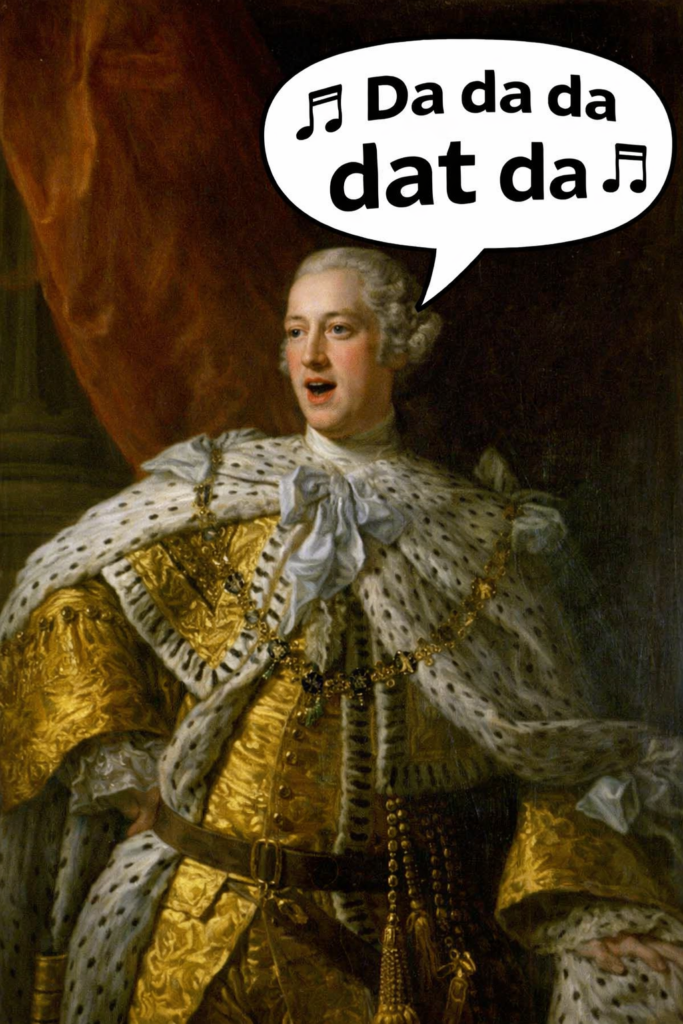
Villain songs often lean into humor, irony, and exaggerated confidence. They’re allowed to be bold. They’re allowed to be weird. They’re allowed to be the musical equivalent of a raised eyebrow and a wicked grin. Heroes don’t get that luxury. Heroes get earnestness. Villains get spice.
Villain Confidence Makes Better Music
Confidence is magnetic. Even if the villain is objectively terrible, their certainty is intoxicating. A villain song is rarely about doubt. It’s about ambition, desire, and the joy of being unapologetically themselves. That confidence translates into strong rhythms, punchy lyrics, and melodies that strut.
Think about Sweeney Todd and Mrs. Lovett in A Little Priest. They’re singing about something horrifying, yet the tune is jaunty, playful, and clever. They’re having a grand time brainstorming culinary crimes. Their confidence makes the song sparkle. You don’t root for them, but you can’t deny the charm of their musical mischief.
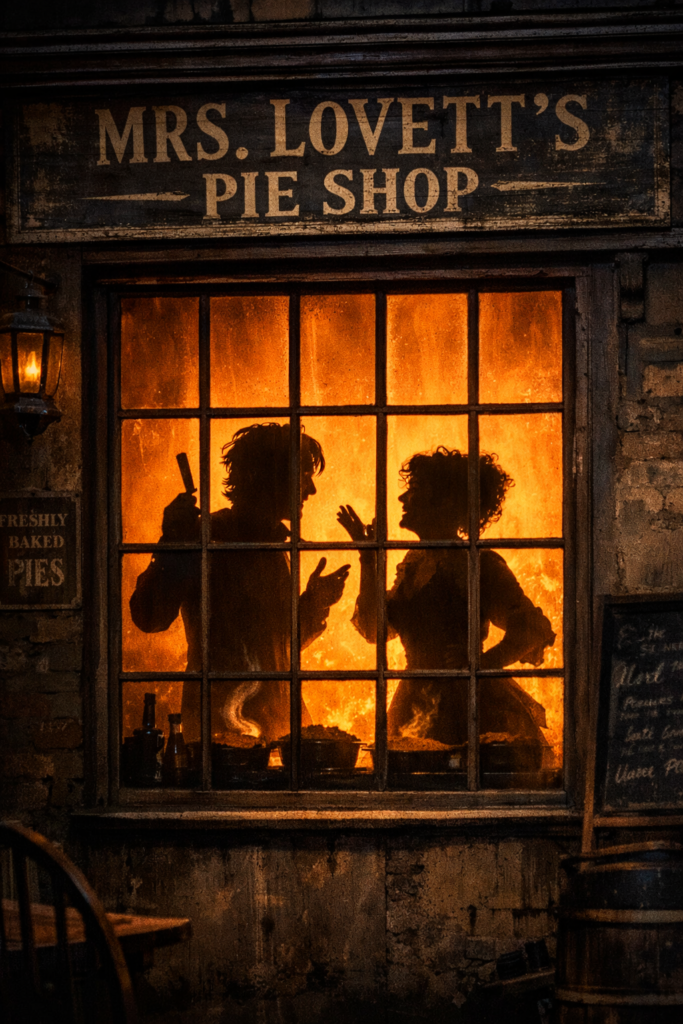
Heroes, meanwhile, are often singing about responsibility or longing or the weight of the world. Beautiful, yes, but not usually the kind of thing you tap your foot to while waiting in line at the grocery store.
Villain Songs Let Composers Play With Color
Villains bring out the crayons. Composers get to experiment with unusual harmonies, unexpected rhythms, and musical textures that wouldn’t fit a heroic anthem. A hero’s song needs to feel uplifting or emotionally sincere. A villain’s song can feel slinky, sharp, chaotic, or downright bizarre.
Villain music often dips into genres heroes rarely touch. Cabaret. Vaudeville. Ragtime. Jazzy mischief. Creepy lullabies. Over-the-top operatic flourishes. The villain is a playground for musical creativity.
When a villain steps forward, the orchestra perks up. Suddenly there are clarinets doing suspicious things. The strings start tiptoeing. The percussion section gets mischievous. The villain song becomes a little musical carnival where anything goes.
Villain Humor Makes Songs Stick
Humor is sticky. A funny song stays with you. Villains often get the funniest numbers because humor softens their edges and makes them entertaining instead of purely terrifying. A villain who sings is a villain who invites you to enjoy their wickedness, even if you know you shouldn’t.
King George’s smug little breakup anthem works because it’s funny. He’s threatening war, but he’s doing it with the energy of someone who just got left on read. Mrs. Lovett’s cheerful brainstorming session works because the contrast between the upbeat tune and the horrifying content is absurd in the best way.
Humor gives villain songs a playful rhythm and memorable phrasing. Heroes rarely get to be funny in their big musical moments. Villains get to be funny all the time.
Villain Songs Reveal the Truth
Villains tell the truth. Not the moral truth, but the emotional truth of their desires. They don’t hide behind noble intentions or self-sacrifice. They say what they want, loudly, proudly, and with a melody that slaps.
A villain song is often the moment when the audience finally understands what the villain is really after. It’s a confession wrapped in music. That honesty makes the song compelling. Even if the villain’s goals are terrible, the clarity of their ambition is fascinating.
Heroes often spend their songs wrestling with internal conflict. Villains spend their songs declaring their plans with gusto. That clarity makes for stronger storytelling and stronger musical hooks.
Villain Songs Embrace Theatricality
Villains are theatrical creatures. They love drama. They love flair. They love making an entrance. A villain song is often the moment when the show leans fully into spectacle.
Theatricality gives composers permission to go big. Big notes. Big gestures. Big musical choices. Villains don’t do subtle. They do fireworks.
This theatricality also gives performers room to shine. A villain song is often the most fun number for an actor because it lets them stretch into extremes. They get to be outrageous, flamboyant, sinister, or hilarious. That joy radiates through the performance and makes the song unforgettable.
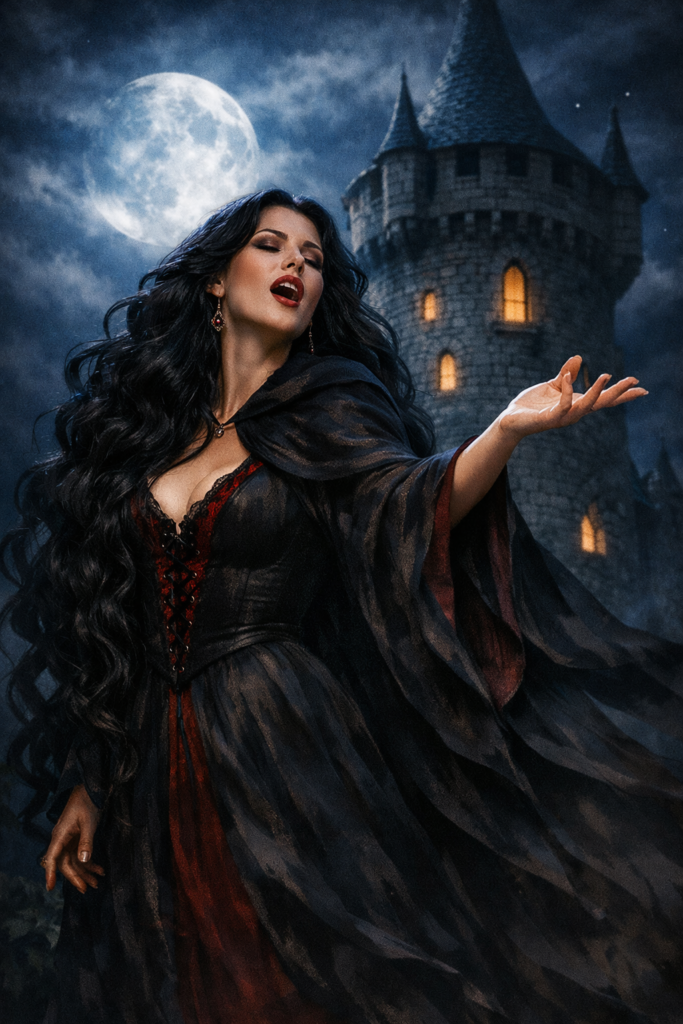
Villain Songs Tap Into Forbidden Fun
There’s a reason people love Halloween. There’s a reason people love stories about pirates, tricksters, and charming rogues. There’s a reason people love the moment when the villain steps forward and starts singing. Villains tap into the thrill of the forbidden.
A villain song lets the audience flirt with danger in a safe way. It’s a little taste of rebellion. A little taste of chaos. A little taste of what it might feel like to ignore the rules and do whatever you want.
Heroes represent what we should be. Villains represent what we secretly wonder about. That tension makes their songs irresistible.
Their Songs Often Arrive at the Perfect Moment
Timing matters. Villain songs often appear right when the audience is ready for a shift in tone. After a stretch of heroic struggle or emotional buildup, the villain swoops in with a song that changes the energy of the entire show.
It’s refreshing. It’s surprising. It’s exciting.
The villain song becomes a palate cleanser, a moment of tonal contrast that makes the entire musical feel more dynamic. Heroes may carry the emotional weight, but villains carry the rhythm of surprise.
They Give the Audience Permission to Enjoy the Bad Guy
A villain song is an invitation. It says, “Come enjoy this terrible person for a moment.” It doesn’t ask you to agree with them. It doesn’t ask you to support them. It just asks you to enjoy the performance.
That permission is powerful. It lets the audience relax and have fun without feeling guilty. The villain becomes a source of entertainment rather than a source of fear.
This dynamic is especially strong in musicals where the villain is more humorous than horrifying. King George isn’t scary. He’s petty. Mrs. Lovett isn’t frightening. She’s delightfully chaotic. Their songs let the audience laugh at their wickedness instead of recoiling from it.
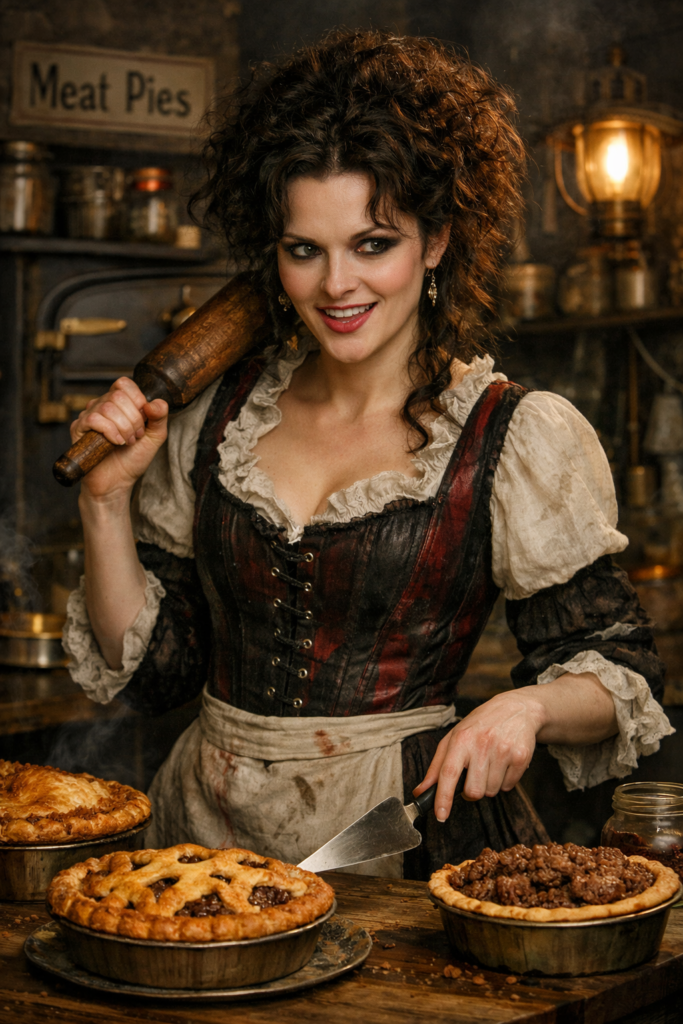
Villain Songs Are Often the Most Memorable Part of the Show
Ask someone to name their favorite musical numbers. Odds are good that at least one villain song will appear on the list. Villain songs stick because they’re bold, funny, confident, and musically inventive.
Heroes may get the emotional showstoppers, but villains get the earworms. Villains get the tunes that linger. Villains get the songs that people quote, parody, and sing in the shower.
There’s a reason “Da da da dat da” became a meme. There’s a reason “A Little Priest” is legendary. Villain songs are built to last.
Villain Songs Let Us Explore Complexity
Villains are complicated. Even when they’re cartoonishly evil, they often have layers. A villain song can reveal those layers in ways dialogue alone can’t.
Music lets us feel the villain’s charm, humor, menace, or madness. It lets us understand their worldview. It lets us see the world through their eyes for a moment.
Heroes may be relatable, but villains are fascinating. Their complexity gives composers rich material to work with, and that richness translates into unforgettable music.
Their Songs Celebrate the Art of Storytelling
At their core, villain songs are celebrations of storytelling. They remind us that stories need contrast. They need tension. They need characters who push against the hero’s journey.
Villains bring that contrast. Their songs highlight the stakes, deepen the conflict, and enrich the narrative. Without villain songs, musicals would feel flatter and less dynamic.
Villains may be the antagonists, but their songs are essential to the heartbeat of the story.
They Are Just More Fun
Let’s be honest. Villain songs are fun. They’re playful, dramatic, mischievous, and often downright silly. They’re the musical equivalent of a wink. Heroes may get the glory, but villains get the groove.
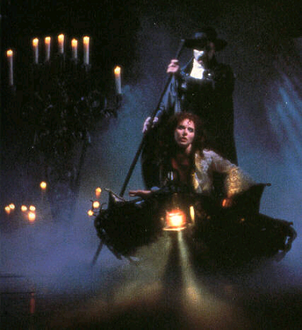
Villain songs remind us that storytelling isn’t just about morality. It’s about joy. It’s about creativity. It’s about the thrill of watching a character revel in their own chaos.
Villains get the better anthems because they get to have more fun. And we get to have fun right along with them.
Why We Keep Coming Back to the Villain Anthem
The villain anthem is irresistible because it taps into something universal. We love confidence. We love humor. We love theatricality. We love music that surprises us. Villains deliver all of that in one delicious package.
Heroes may win the story, but villains win the soundtrack.
Villain songs linger because they’re bold, clever, and unapologetically entertaining. They remind us that even the darkest characters can shine when the spotlight hits them just right.
And maybe, just maybe, they remind us that a little mischief makes the world more interesting.
If you ever find yourself humming a villain tune long after the curtain falls, don’t worry. You’re not alone. The villain always gets the better anthem, and honestly, we wouldn’t have it any other way.
Supporting Autumnelf on Ko‑Fi helps fuel new essays, book projects, ocean‑life explorations, theatrical deep dives, and the creative quests that make Phantom Orca Quest a vibrant, multimedia experience.
Get Me a Spark of Magic