Fishing has quietly become the universal side hustle of video games. You could be battling cosmic horrors, solving ancient mysteries, or running from a dragon that definitely woke up on the wrong side of the cave, and suddenly the game taps you on the shoulder like hey buddy, want to cast a line. It’s the gaming equivalent of a friend handing you a snack during a crisis. You didn’t ask for it, but wow does it help.
Part of the charm is that fishing offers a moment of calm in worlds that are anything but calm. Even in games where the stakes are sky high, fishing lets you breathe. It’s a tiny pocket of serenity tucked between boss fights and dramatic plot twists. And yes, sometimes it’s also a tiny pocket of frustration when the fish escapes after you’ve been reeling for what feels like three geological eras. But that’s part of the fun.
Why Developers Keep Sneaking It Into Everything
The real reason fishing keeps popping up is simple. It’s a perfect gameplay loop. You cast. You wait. You catch. You celebrate. You repeat. It’s satisfying in the same way bubble wrap is satisfying. It’s also incredibly flexible. Developers can make fishing peaceful, chaotic, silly, spooky, or downright bizarre. They can turn it into a minigame, a full profession, a side quest, or a secret way to unlock a legendary sword that somehow smells faintly of trout.
Fishing also gives players a sense of control. Games are full of unpredictable chaos, but fishing is predictable chaos. You know something is going to happen. You just don’t know what. It’s like opening a mystery box, except the mystery box is wet and occasionally bites.
Catching Fish Shows Up in Every Genre
You’d think fishing would stick to cozy games or RPGs, but no. It has infiltrated every genre like a cheerful aquatic spy. Horror games have fishing. Sci fi games have fishing. Farming sims obviously have it. Even action games have fishing, which is hilarious because nothing says adrenaline rush like pausing your heroic journey to catch a carp.
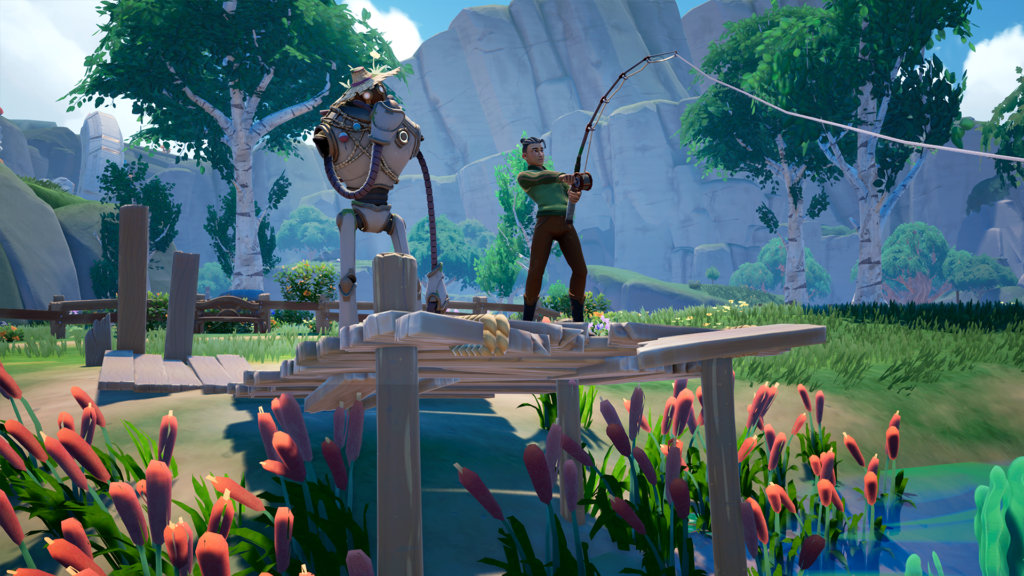
Fishing works because it’s a universal language. You don’t need a tutorial to understand it. You see water. You see a rod. You know what to do. It’s instinctual. It taps into something ancient and human. Or maybe it taps into something ancient and gamer. Hard to say.
The Psychology of Fishing in Games
Fishing hits a very specific part of the brain. It’s a blend of anticipation, reward, and relaxation. You’re doing something low stakes, but your brain still gets a little dopamine spark when you catch something. Even if that something is a boot. Especially if that something is a boot. Boots are comedy gold.
There’s also the joy of collection. Fishing often comes with rare catches, seasonal catches, legendary catches, and fish that look like they crawled out of a fever dream. Players love filling out fishing logs because it scratches the same itch as completing a sticker book. You want to catch them all, even the weird ones. Especially the weird ones.
A Break From Saving the World
Games are full of big quests. Save the kingdom. Stop the apocalypse. Rescue your friends. But fishing gives you a tiny quest that’s just for you. No one is depending on you to catch a salmon. The fate of the universe does not hinge on your ability to reel in a tuna. Throwing your line in the water gives you a break from responsibility. It’s a moment where you can say I’m going to do something small and pleasant before I go back to punching evil in the face.
This is why angling feels so good. It’s a palate cleanser. It’s the sorbet of video game mechanics. You get to reset your brain before diving back into the main story.
Developers Keep Adding Fishing Because It Just Works
From a development standpoint, fishing is surprisingly easy to implement. It doesn’t require massive environments or complicated systems. You need water, a rod, and a fish. Boom. You’ve got a minigame. And once it’s in, players will use it. They will use it a lot. They will use it more than the developers expected. They will use it so much that the developers will add more fish, more rods, more bait, and suddenly the fishing minigame has become its own ecosystem.
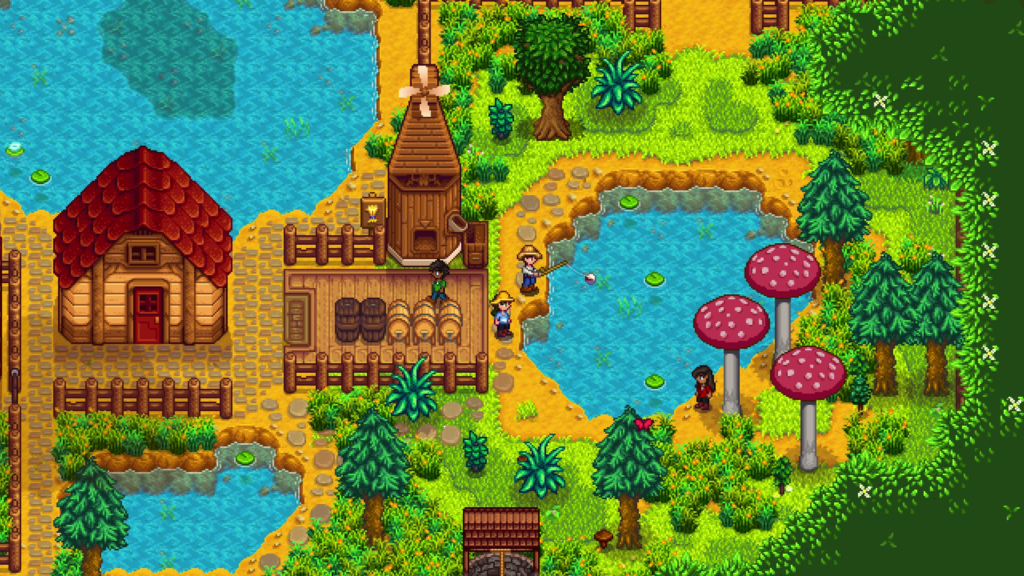
Players love fishing because it’s optional but rewarding. It’s the perfect side activity. You can ignore it completely or you can become the world’s most dedicated virtual angler. Games rarely punish you for catching fish. They often reward you. And sometimes they reward you with something ridiculous, like a sword shaped like a marlin or a coelacanth that is three times the size of your avatar.
Catching Fish Lets You Slow Down and Notice the World
Fishing in games quietly nudges you into paying attention to the world around you. The moment you cast a line, the whole environment seems to lean in a little closer. Water stops being just a backdrop and becomes something alive. The sky feels bigger. The landscape suddenly has texture you didn’t realize was there. It’s like the game is whispering hey, slow down, look at this place we built for you. Fishing becomes a tiny invitation to breathe, to settle, and to feel connected to the world instead of sprinting through it.
Even in games where the world is dangerous, fishing creates a safe space. You can fish in haunted lakes, cursed rivers, alien oceans, and magical ponds. The fish might be terrifying, but the act of catching one is still peaceful. It’s a strange contrast that works beautifully.
How Fishing Opens the Door to Humor
Fishing is inherently funny. There’s something delightful about catching a fish that looks like it has seen things. There’s something hilarious about pulling up a rusty can and the game treating it like a dramatic failure. Fishing gives developers a chance to inject humor into their worlds. They can add silly fish names, goofy animations, and unexpected catches.
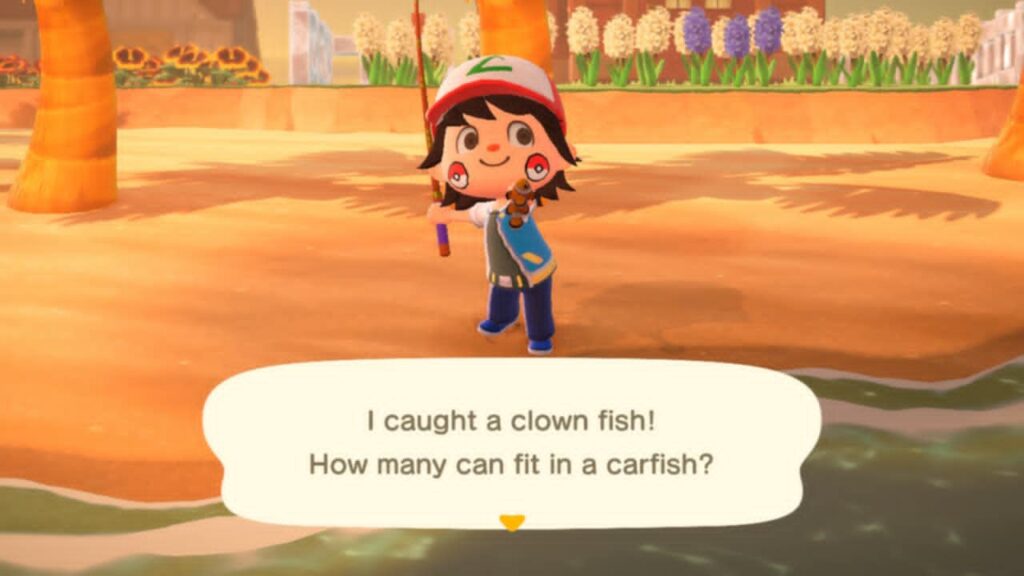
Players love these moments. They become stories. You’ll hear people say things like I was fishing in that horror game and I caught a fish with human teeth. Or I was fishing in that sci fi game and I caught a holographic eel that tried to escape through my inventory screen. It creates memorable experiences that players share.
The Social Magic That Happens Around Fishing
In multiplayer games, landing a fish becomes a social activity. You gather with friends, cast your lines, and chat while waiting for bites. It’s a low pressure way to spend time together. You can talk about quests, strategies, life, or the fact that your friend just caught a fish so big it broke the physics engine.
Fishing also creates friendly competition. Who can catch the rarest fish? Who can catch the biggest fish? Who can catch the fish that looks like it crawled out of a nightmare? It’s a fun way to bond with no need to fight anything.
Why Developers Treat It Like a Creative Playground
Developers love fishing because it lets them experiment. They can play with physics, animations, sound design, and creature design. They can make fish behave realistically or they can make fish behave like tiny aquatic gremlins. Adding the mechanic gives them room to be creative.
It also lets them hide secrets. Fishing is often used to unlock hidden items, secret quests, or rare encounters. Players who fish are rewarded with surprises. It’s a clever way to encourage exploration.
Fishing as a Player’s Personal Sandbox
Players love fishing because it gives them freedom. You can fish whenever you want. You can fish for as long as you want. You can fish in places you probably shouldn’t fish, like lava pools or magical fountains that definitely were not designed for aquatic life.
Catching fish lets players set their own pace. It’s a self directed activity. You choose when to start and when to stop. You choose what to catch. You choose how invested you want to be. It’s empowering in a gentle way.
The Cultural Roots That Make Fishing Feel Familiar
Fishing has been part of human culture for thousands of years. It’s a symbol of patience, skill, and connection to nature. Games tap into that symbolism. Even if catching a fish is silly or fantastical, it still carries a sense of tradition.
Fishing also feels familiar. It’s something people understand even if they’ve never done it in real life. It’s comforting. It’s nostalgic. It’s timeless.
Playing the Game Within a Game
One of the biggest reasons fishing is everywhere is that it creates a game inside the game. It’s a self contained activity with its own rules, rewards, and challenges. It adds depth without overwhelming players. It makes the world feel richer and more alive.
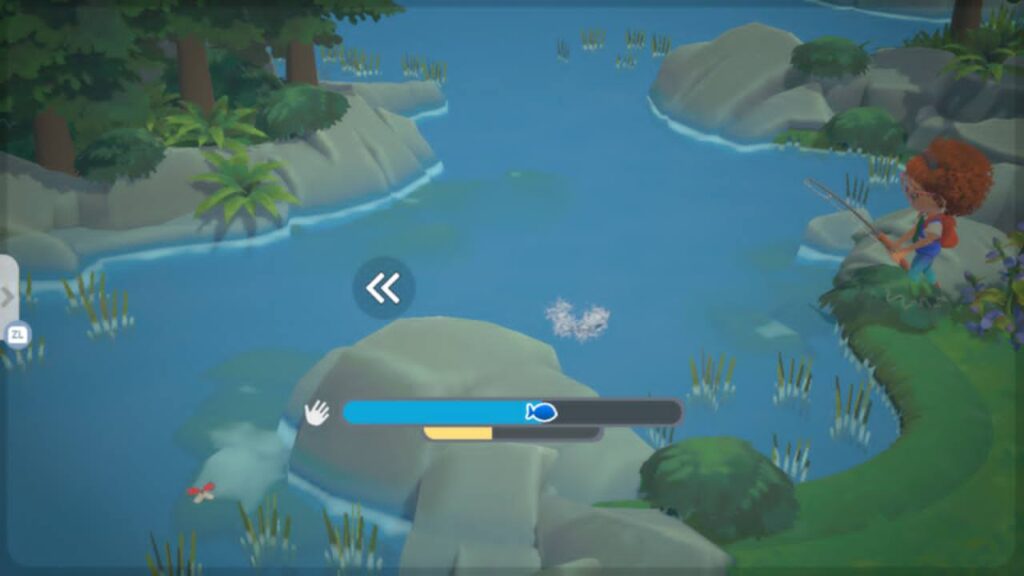
Screenshot Credit: Studio 17 / Hokko Life (Captured by the author)
Fishing also gives players something to do when they’re not in the mood for combat or exploration. It’s a gentle alternative. It’s a way to unwind. And sometimes, you just want to catch a fish.
Why Fishing Isn’t Going Anywhere Anytime Soon
Fishing has become a staple of game design. It’s not going anywhere. Developers will keep adding it. Players will keep loving it. And honestly, I’m glad. It brings joy, humor, calm, and creativity to games. It’s a tiny mechanic with an enormous impact.
The act of catching a fish reminds us that even in the most intense adventures, there’s room for quiet moments. There’s room for silliness. There’s room for catching a fish that looks like it escaped from a cartoon.
It is everywhere because it makes games better. And because it makes players smile. And because sometimes you just need to take a break from saving the world to catch a trout that absolutely does not want to be caught.
Now… about that coelacanth…
Supporting Autumnelf on Ko‑Fi helps fuel new essays, book projects, ocean‑life explorations, theatrical deep dives, and the creative quests that make Phantom Orca Quest a vibrant, multimedia experience.
Get Me a Spark of Magic