A Spiraled Welcome to Narwhals
There is something delightfully dramatic about narwhals. They glide through icy Arctic waters with a single spiraled tusk that looks like it was borrowed from a fantasy novel. If you’ve ever seen one, you probably had the same reaction most people do. You blink. You stare. You wonder if you accidentally wandered into a magical side quest. The truth behind that tusk is even stranger and more wonderful than the myth, and the more scientists learn, the more it becomes clear that narwhals are doing something extraordinary with it.
Their tusk is not a horn. It is not a weapon. It is not a fancy toothpick for ocean snacks. It is, in fact, a tooth. A very long, very twisty, very sensitive tooth that can detect changes in the water around them. Yes, they are swimming around with a giant sensory organ sticking out of their face like it’s the most normal thing in the world. Honestly, I love their confidence.
The Narwhal Tusk Mystery
For centuries, people tried to guess what narwhal tusks were for. Some thought they were used for jousting. Others thought they were used to break ice. A few thought they were just there to look fabulous. The truth is far more scientific and far more fun. The tusk is packed with nerve endings. Imagine having a tooth so sensitive it can detect changes in temperature, pressure, and salinity. Now imagine that tooth is nine feet long and spiraled like a soft serve cone. That is the narwhal experience.
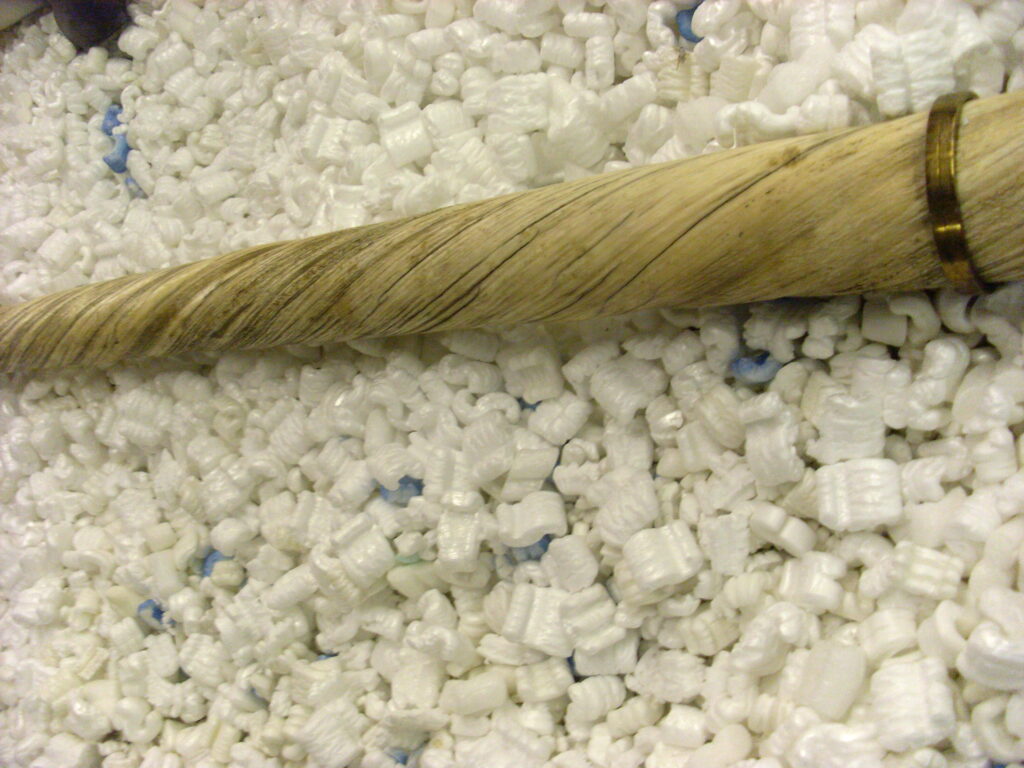
Scientists studying narwhal tusks discovered that the outer layer is porous, allowing seawater to seep in and stimulate the nerves inside. This means narwhals can sense subtle shifts in their environment. They can feel the difference between fresh meltwater and salty ocean currents. They can detect changes in temperature that might indicate where fish are hiding. They can even sense pressure changes that help them navigate the deep.
It’s like having a built‑in weather station, fish finder, and ocean mood ring all in one.
Narwhals and the Arctic Neighborhood
Narwhals live in the chilly waters around Canada, Greenland, and Russia. They spend a lot of time near ice, which is both their comfort zone and their camouflage. Their mottled gray bodies blend beautifully with the Arctic seascape. If you ever try to spot one, you’ll quickly learn that narwhals are experts at hide and seek. They slip beneath the surface with a quiet grace that makes them feel almost mythical.
The Arctic is changing, though, and narwhals are feeling those changes. Their tusks help them sense shifts in the water, but even the best sensory tooth in the world can’t fix melting ice. As the environment transforms, narwhals must adapt. Scientists are studying how their behavior shifts with the seasons, how they navigate new ice patterns, and how their tusks help them survive in a world that’s warming faster than ever.
A Closer Look at Narwhal Behavior
Narwhals are surprisingly social. They travel in pods, chat with each other using clicks and whistles, and occasionally show off their tusks in gentle displays. They’re not sword fighting. They’re not dueling. They’re just saying hello in narwhal language. If humans greeted each other by tapping teeth, we’d probably have a very different dental industry.
Their tusks also seem to play a role in mating. The biggest, most impressive tusks often belong to males, and it’s possible that females use tusk size as a way to judge potential partners. It’s the Arctic version of peacocking, except instead of feathers, it’s a giant tooth. Nature is endlessly creative.
Narwhals dive deep for food, sometimes plunging more than a mile beneath the surface. Down there, the world is dark and cold, and the pressure is intense. Their tusks help them sense the environment, but their bodies are also built for the challenge. They have flexible rib cages that collapse under pressure, allowing them to dive without injury. They move through the water with a calm confidence that makes them look like they’re on a leisurely stroll instead of a high‑pressure hunt.
Narwhals and Their Sensory Superpowers
The sensory abilities of narwhal tusks are still being studied, but what we know already is astonishing. The nerves inside the tusk connect directly to the brain, meaning narwhals receive real‑time information about the water around them. It’s like having a superpowered antenna that picks up ocean signals.
Researchers have observed narwhals reacting to changes in salinity, which helps them locate prey. They’ve seen narwhals respond to temperature shifts, which helps them navigate melting ice. They’ve even seen narwhals use their tusks to tap objects gently, possibly to gather more information about them. It’s not quite echolocation, but it’s definitely a sensory strategy that’s unique in the animal kingdom.
Imagine if humans had a nine‑foot tooth that could sense the world. We’d probably use it to find the best snacks in the fridge without opening the door. Narwhals use theirs to survive in one of the harshest environments on Earth.
The Science Behind Narwhal Teeth
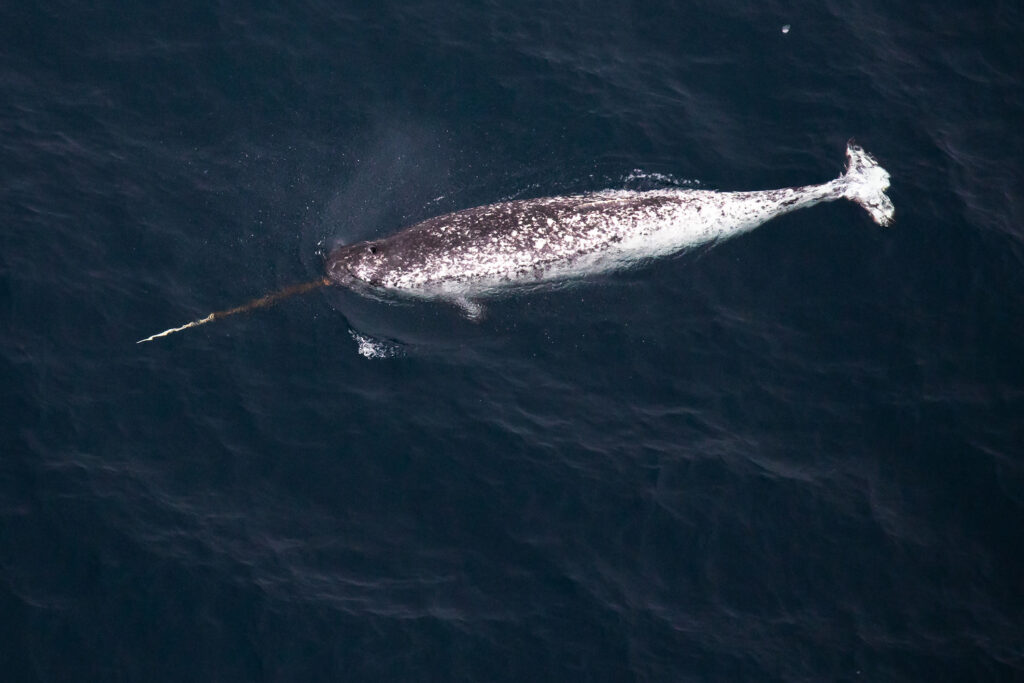
Narwhal tusks grow from the left canine tooth. Most mammals have symmetrical teeth, but narwhals decided symmetry was overrated. Their right canine usually stays small and hidden, while the left one grows into a spiraled masterpiece. The spiral pattern is natural, created as the tooth grows and twists over time.
Inside the tusk, thousands of tiny tubules connect the outer surface to the inner nerves. These tubules allow seawater to reach the nerves, creating a direct sensory pathway. It’s a design so elegant that engineers have studied it for inspiration. Nature often solves problems in ways humans never consider, and the narwhal tusk is a perfect example.
Some narwhals even have two tusks. When the right canine decides to join the party, the result is a double‑tusked narwhal that looks like it’s ready to headline a fantasy novel. These rare individuals are especially fascinating to researchers, who study how the second tusk affects behavior and sensory abilities.
Narwhals in Culture and Myth
Narwhals have inspired stories for centuries. Their tusks were once sold as unicorn horns, believed to have magical properties. Royalty paid enormous sums for them, thinking they could cure poison or grant protection. The myth of the unicorn is deeply tied to narwhals, even though the truth is far more scientific.
Today, narwhals still capture our imagination. They appear in art, games, and children’s books. They’re beloved for their whimsical appearance and mysterious nature. But behind the charm is a real animal with real challenges. Understanding their tusks helps us appreciate not just the magic, but the biology.
Narwhals and Conservation
The Arctic is warming, and narwhals are facing new pressures. Their tusks help them sense changes, but they can’t stop the ice from melting. Conservation efforts focus on protecting their habitat, monitoring populations, and understanding how climate change affects their behavior.
Narwhals are not endangered, but they are vulnerable. Their reliance on ice makes them sensitive to environmental shifts. Scientists track their movements using satellite tags, study their tusks to understand sensory abilities, and work with local communities to protect their waters.
The more we learn about narwhals, the more we realize how important their environment is. Their tusks are incredible tools, but even the best tool needs a stable home.
A Narwhal’s Place in the Ocean Story
Narwhals remind us that the ocean is full of surprises. Their tusks challenge our assumptions about teeth, senses, and survival. Their behavior shows us how animals adapt to extreme environments. Their history connects science with myth in a way that feels almost poetic.
When you picture a narwhal swimming through icy waters, tusk gleaming beneath the surface, you’re seeing a creature perfectly adapted to its world. A creature that senses the ocean in ways we’re only beginning to understand. A creature that blends fantasy and reality with effortless charm.
Narwhals are unicorns of the Arctic Sea, but they’re also something more. They’re a reminder that nature doesn’t just create life. It creates wonder.
The Spiraled Future of Narwhals
As research continues, scientists hope to uncover even more about how narwhals use their tusks. There are hints that the tusk may help with communication. There are clues that it may play a role in social behavior. There are possibilities we haven’t even imagined yet.
Narwhals have been around for millions of years, quietly perfecting their sensory tooth while humans were still figuring out fire. They’ve survived ice ages, storms, and shifting seas. Their tusks have guided them through it all.
The future of narwhals depends on the future of the Arctic. Protecting their home means protecting one of the most unique sensory systems in the animal kingdom. It means preserving a creature that feels like it stepped out of a storybook and into the real world.
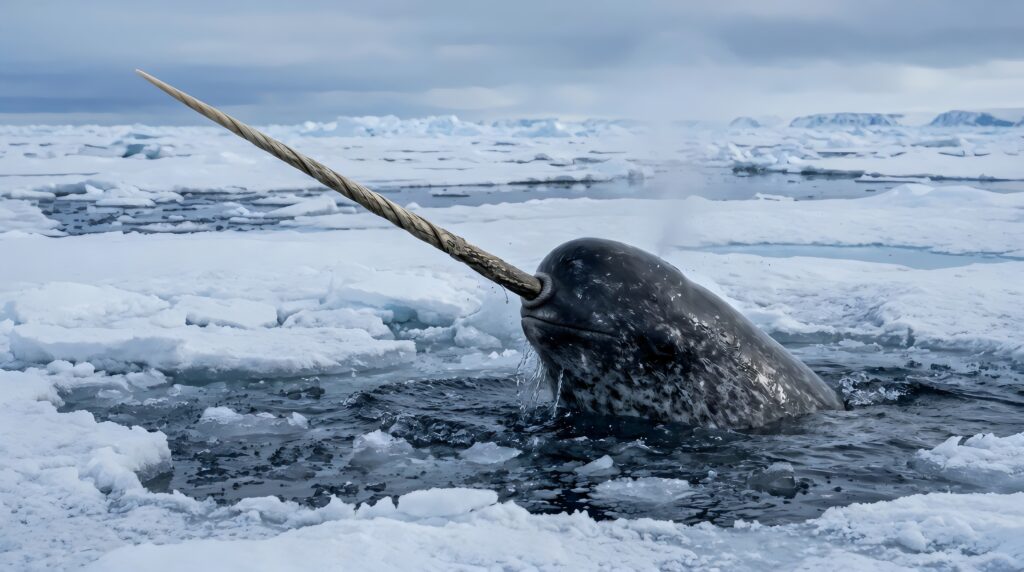
Narwhals are more than their tusks. They’re more than their myths. They’re living, sensing, spiraling wonders of the sea. And the more we learn about them, the more magical they become.
If you ever find yourself daydreaming about Arctic waters, imagine a narwhal gliding beneath the ice, tusk shimmering, senses alive, exploring a world of cold currents and quiet mysteries. It’s a scene that feels almost unreal, yet it’s happening every day in the far north.
Narwhals are unicorns of the Arctic Sea, and they’re very real. Very curious. Very toothy. And very worth celebrating.
Supporting Autumnelf on Ko‑Fi helps fuel new essays, book projects, ocean‑life explorations, theatrical deep dives, and the creative quests that make Phantom Orca Quest a vibrant, multimedia experience.
Get Me a Spark of Magic