Unlimited Ammo changes everything. Not in a tiny, “oh neat, more bullets” way, but in a big, structural, pacing‑shifting, tension‑rewiring way that ripples through both tabletop games and video games. It is one of those deceptively simple design choices that looks like a small tweak until you realize you have just rearranged the entire ecosystem of player behavior. Suddenly the vibe is different. Encounters feel different. Even the jokes at the table change. Limitless ammo is a butterfly flapping its wings and accidentally creating a hurricane of chaos, confidence, and occasionally someone shouting “I shoot again” with the enthusiasm of a caffeinated golden retriever.
And yes, I am absolutely talking about you, the person who gleefully fires into the darkness because you know you’ll never run dry.
How Unlimited Ammo Reshapes Pacing
Pacing is the heartbeat of a game. It’s the rhythm that tells players when to breathe, when to panic, and when to dramatically monologue about their tragic backstory while everyone else politely pretends they aren’t checking their phones. When ammo is scarce, pacing naturally slows. Players conserve resources, plan carefully, and sometimes spend five minutes debating whether they should fire a single shot. Scarcity creates hesitation.
Unlimited Ammo removes that hesitation. Suddenly the pacing accelerates. Players move faster, act faster, and make decisions with a kind of boldness that feels almost theatrical. You can practically hear the soundtrack swelling. Encounters become punchier because players aren’t stopping to count bullets. They aren’t rationing. They aren’t worrying about whether the next room will require a full magazine. They just go.
This shift is especially noticeable in tabletop games. When you remove ammo tracking, you also remove one of the most common slow‑downs at the table. No more “hang on, I need to check my sheet.” No more “wait, did I reload last round?” No more “I swear I wrote down my ammo somewhere.” Unlimited Ammo keeps the momentum rolling, and momentum is gold in tabletop pacing.
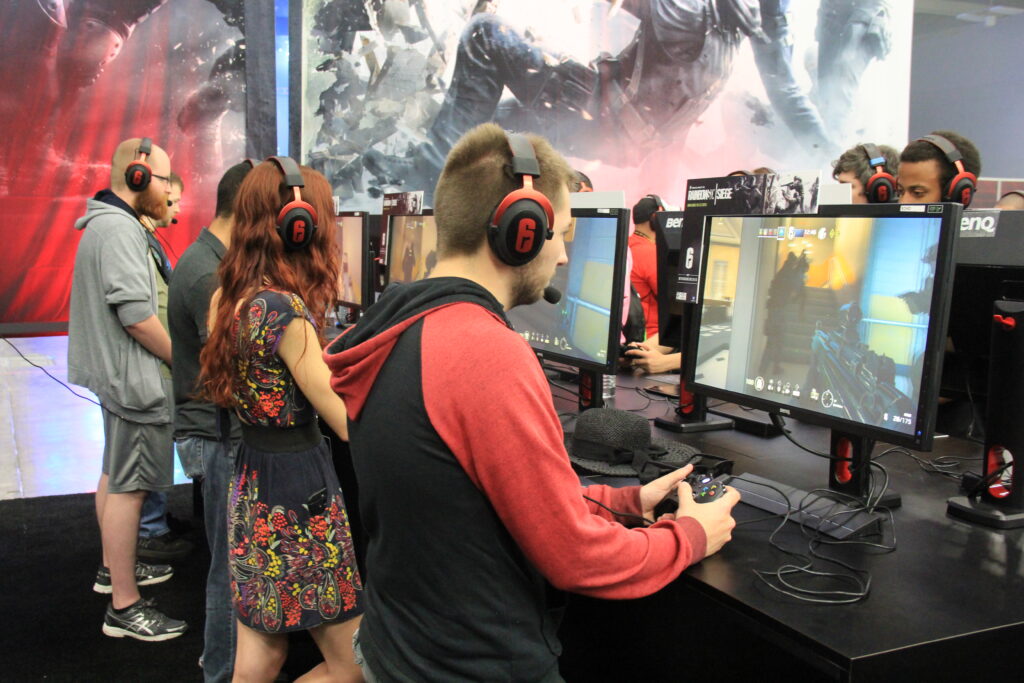
In video games, the pacing shift is even more dramatic. Freedom of resources encourages constant engagement. Players stay in motion. They stay aggressive. They stay loud. The game becomes less about resource management and more about flow. Designers often use the mechanic to maintain a specific tempo, especially in action‑heavy titles where stopping to reload would feel like slamming the brakes on a roller coaster.
Tension Without Scarcity
Tension is not just fear. It’s anticipation. It’s the feeling that something could go wrong at any moment. Scarcity is one of the easiest ways to create tension. When players have limited ammo, every shot matters. Every encounter feels risky. Every decision carries weight.
Unlimited Ammo removes that particular flavor of tension, but it doesn’t remove tension entirely. It simply forces designers to create tension in other ways.
One of the most common replacements is environmental pressure. If players can shoot forever, then the environment becomes the thing that threatens them. Maybe the room is filling with water. Maybe the floor is collapsing. Maybe the enemy is regenerating health unless you interrupt them. Not placing a cap on ammo frees designers to lean into creative tension rather than resource‑based tension.
Another form of tension comes from enemy behavior. If players never run out of bullets, enemies can be designed to be more mobile, more unpredictable, or more resistant. The tension shifts from “I might run out of ammo” to “I might not be able to keep up.” It’s a different flavor, but it’s still delicious.
In tabletop games, tension often becomes narrative rather than mechanical. Unlimited Ammo lets the GM focus on story‑driven stakes. Instead of worrying about whether the ranger has enough arrows, the GM can focus on whether the ranger’s decisions will anger the ancient forest spirit who is absolutely judging them from the treetops.
Encounter Design With Unlimited Ammo
Encounter design is where there’s no limit on your ammo becomes a full‑on game changer. When ammo is limited, encounters must be balanced around the idea that players might run out. Designers must consider how many bullets players have, how many they’ll need, and how many they can recover. It’s a delicate dance.
Unlimited Ammo lets designers throw that entire dance floor out the window.
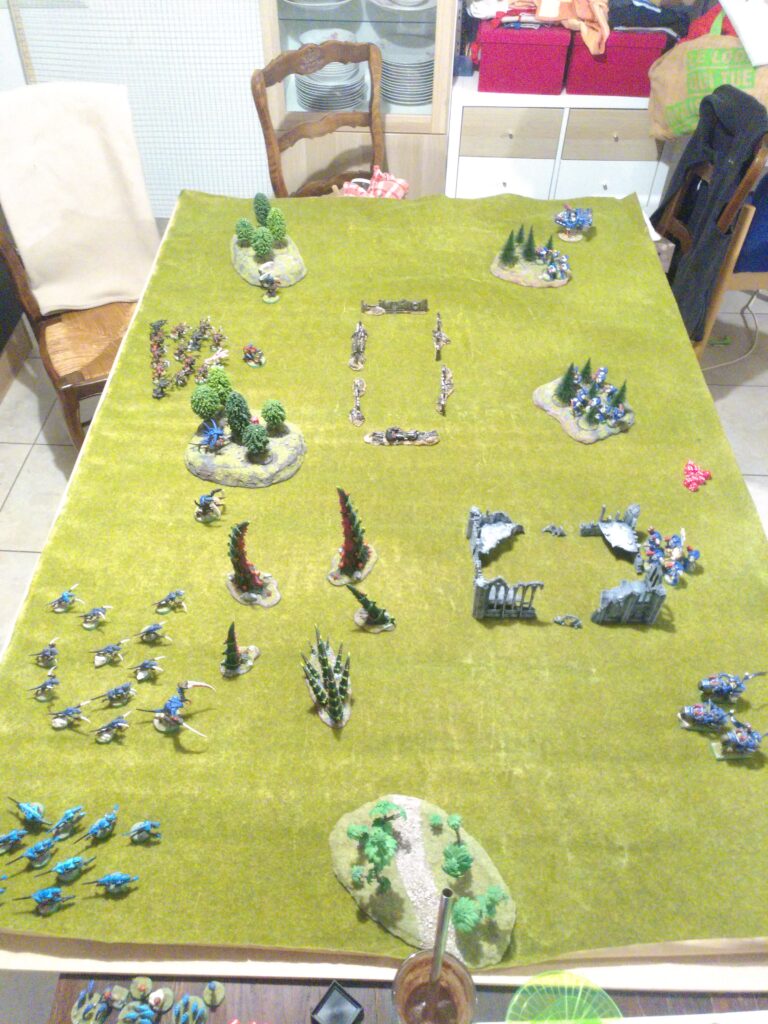
Encounters can be bigger. They can be louder. They can be more chaotic. Designers can create waves of enemies without worrying about whether players will have enough resources to survive. They can introduce mechanics that rely on constant firing, like suppressive fire, stagger systems, or damage‑over‑time effects that require sustained attacks.
Lyokoï, CC BY-SA 4.0 https://creativecommons.org/licenses/by-sa/4.0, via Wikimedia Commons
In video games, Unlimited Ammo often pairs beautifully with mobility‑focused encounters. If players can shoot constantly, designers can encourage them to move constantly. Enemies can swarm. Bosses can require continuous pressure. The entire encounter becomes a kinetic spectacle.
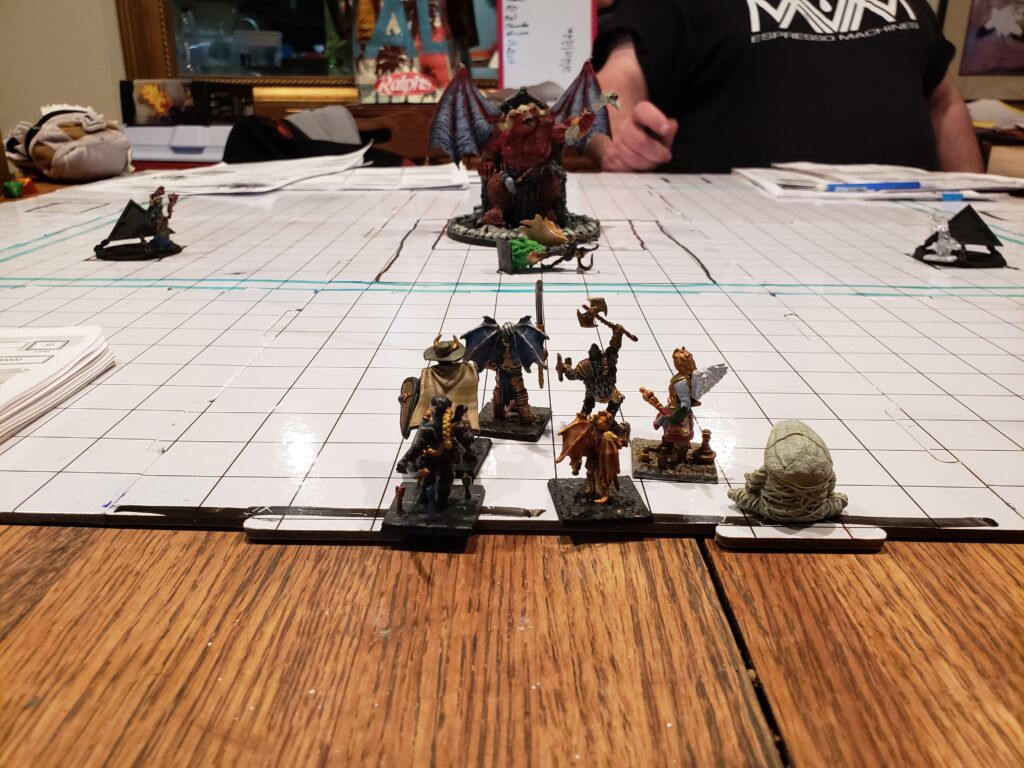
In tabletop games, that same mechanic frees the GM to design encounters around creativity rather than bookkeeping. Players can attempt wild maneuvers without worrying about wasting ammo. They can use their weapons in unconventional ways. They can focus on positioning, teamwork, and narrative flair. Unlimited Ammo encourages cinematic combat, and cinematic combat is often the most memorable kind.
Unlimited Ammo and Player Psychology
Players behave differently when they know they’ll never run out of ammo. They become bolder. They experiment more. They take risks. They sometimes forget that cover exists because why hide when you can shoot forever.
This shift in psychology is one of the most fascinating aspects of Unlimited Ammo. It reveals how deeply scarcity affects player behavior. When scarcity is removed, players often become more expressive. They stop hoarding resources. They stop second‑guessing themselves. They stop saving their “good stuff” for later. Unlimited Ammo encourages players to live in the moment.
It also reduces cognitive load. Tracking ammo is a mental task. Removing that task frees up brain space for strategy, creativity, and roleplay. Players can focus on what they want to do rather than what they have left. This is especially helpful for newer players who may feel overwhelmed by resource management.
Unlimited Ammo can also create a sense of empowerment. There is something undeniably satisfying about knowing you can unleash a barrage of attacks without consequence. It taps into the fantasy of being unstoppable, and that fantasy can be incredibly fun when used intentionally.
When Abundance Makes Things Too Easy
Unlimited Ammo is powerful, but it’s not always the right choice. Sometimes removing scarcity removes too much tension. Sometimes it makes encounters feel repetitive. Sometimes it encourages players to brute‑force their way through challenges instead of thinking creatively.
Designers must be careful to ensure that Unlimited Ammo doesn’t flatten the experience. If every encounter becomes “shoot until it dies,” players may lose interest. Unlimited Ammo works best when paired with other mechanics that maintain challenge and variety.
Environmental hazards, enemy resistances, movement‑based mechanics, timed objectives, and puzzle‑driven encounters all help keep Unlimited Ammo from becoming a snooze button. The key is to ensure that shooting is fun but not the only thing players need to do.
In tabletop games, GMs can use narrative stakes to maintain challenge. Unlimited Ammo doesn’t mean unlimited safety. The world can still react. Enemies can still adapt. Consequences can still unfold. Unlimited Ammo simply shifts the focus away from resource scarcity and toward story‑driven tension.
Unlimited Ammo in Cooperative Play
Cooperative games become especially interesting when Unlimited Ammo enters the picture. Without scarcity, players can coordinate attacks more freely. They can support each other without worrying about rationing. They can create strategies that rely on sustained fire or constant pressure.
Unlimited Ammo encourages teamwork because it removes the fear of running dry at a critical moment. Players can rely on each other more confidently. They can plan around abilities rather than resources. They can experiment with combos that would be impossible in a scarcity‑based system.
It also reduces friction. In games with limited ammo, players sometimes argue about who should use what. Unlimited Ammo removes that tension entirely. Everyone can contribute. Everyone can participate. Everyone can feel useful.
The Humor of Unlimited Ammo
Unlimited Ammo also brings a delightful amount of comedy to the table. There is something inherently funny about a character who fires endlessly without ever stopping to reload. It creates moments of absurdity, especially in tabletop games where players can describe their actions with dramatic flair.
You get scenes like:
“I fire my crossbow again.”
“You haven’t reloaded.”
“I fire it anyway.”
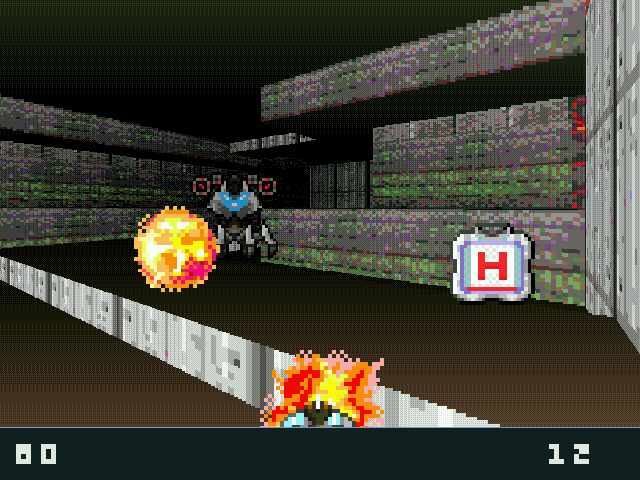
Or the classic video game moment where a character pulls out a tiny pistol and somehow fires three hundred rounds without ever changing magazines. Unlimited Ammo is a playground for goofy moments, and goofy moments are often the ones players remember most.
Why Designers Choose It
Designers don’t choose Unlimited Ammo just to make things easier. They choose it because it supports a specific experience. Unlimited Ammo is a tool that shapes tone, pacing, and player behavior. It encourages flow. It encourages spectacle. It encourages creativity.
In fast‑paced action games, Unlimited Ammo keeps the energy high. In narrative‑driven tabletop games, it keeps the focus on story rather than bookkeeping. In cooperative games, it keeps the team unified. Unlimited Ammo is not a cheat code. It’s a design philosophy.
It says: “We want you to focus on the fun part.”
And sometimes the fun part is firing wildly into the darkness while shouting something dramatic and slightly ridiculous.
Drummyfish, CC0, via Wikimedia Commons
Unlimited Ammo as a Worldbuilding Choice
Unlimited Ammo can also be a worldbuilding decision. Maybe the setting uses magical weapons that recharge automatically. Maybe the technology is advanced enough that ammo scarcity is no longer a concern. Maybe the gods themselves bless your bullets because they think you’re neat.
When Unlimited Ammo is woven into the lore, it becomes part of the world’s identity. It shapes how characters fight, how armies operate, and how conflicts unfold. It can even influence culture. Imagine a society where running out of ammo is unheard of. Their tactics, traditions, and stories would all reflect that abundance.
Unlimited Ammo can also be used to highlight contrast. If one faction has Unlimited Ammo and another does not, that imbalance becomes a narrative tool. It creates tension. It creates conflict. It creates stakes.
The Future of Resource Freedom
As games continue to evolve, Unlimited Ammo is becoming more common. Designers are increasingly interested in fast, fluid experiences that prioritize player expression. Unlimited Ammo supports that trend beautifully.
But scarcity will never disappear entirely. It is too powerful, too effective, too emotionally resonant. The future of game design will likely continue to explore the balance between scarcity and abundance. Unlimited Ammo will remain one of the most interesting tools in that exploration.
It is a reminder that sometimes removing a limitation creates more possibilities than adding a new mechanic ever could.
A Final Thought on Unlimited Ammo
Unlimited Ammo is not just about bullets. It’s about freedom. It’s about pacing. It’s about tension. It’s about the way players behave when they are unshackled from scarcity. It’s about the stories they tell, the risks they take, and the chaos they unleash.
It’s a design choice that says: “Go ahead. Have fun. Don’t worry about the math.”
And honestly, sometimes that’s exactly what a game needs.
Supporting Autumnelf on Ko‑Fi helps fuel new essays, book projects, ocean‑life explorations, theatrical deep dives, and the creative quests that make Phantom Orca Quest a vibrant, multimedia experience.
Get Me a Spark of Magic