There is something wonderfully chaotic about the springlock system in FNAF. It is one of those inventions that makes you tilt your head like a confused golden retriever and wonder who thought this was a good idea. The springlocks are equal parts engineering marvel and mechanical menace, a strange hybrid of practicality and peril that feels like it belongs in a theme park run by gremlins. They are the perfect example of how the franchise blends mechanical logic with narrative tension, creating a device that is both fascinating and terrifying.
Let’s wander back into the gears, now with deeper physics, construction details, and a gentle stroll through the safety protocols that absolutely should have existed but absolutely did not.
How FNAF Built the Springlock System to Be Brilliant and Terrible
The springlock system begins with a deceptively clever idea. Why not create a suit that can function as both an animatronic and a wearable costume? It sounds efficient. It sounds cost‑effective. It sounds like something a Fazbear executive would approve after glancing at a budget sheet and saying “sure, why not.”
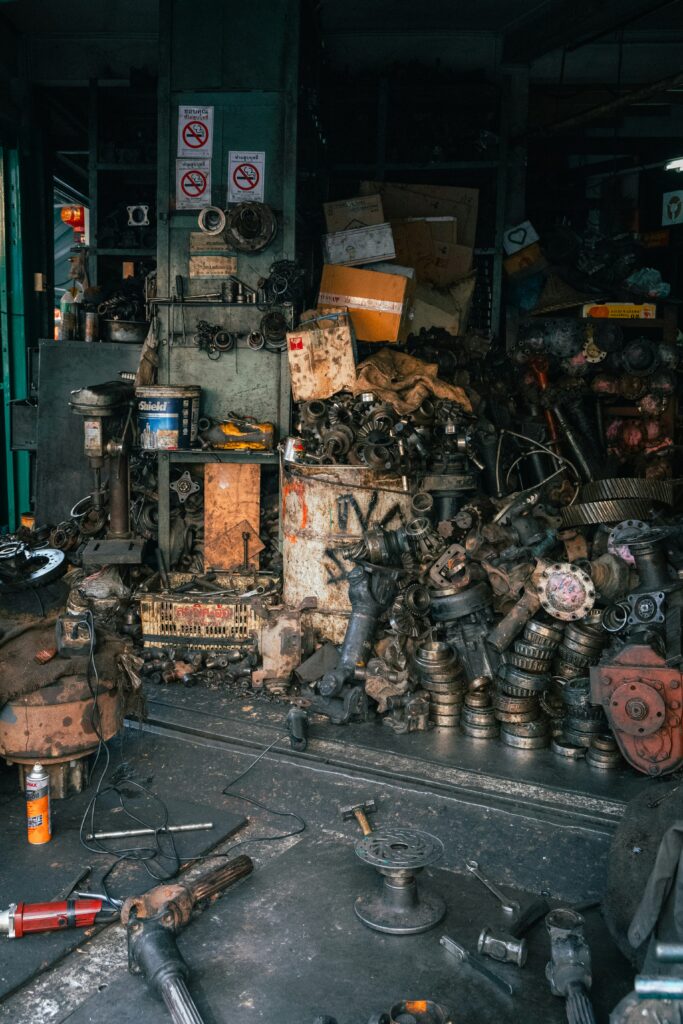
The mechanics rely on tension. The animatronic endoskeleton is compressed and held back by spring‑loaded locks that keep the machinery tucked safely away from the performer. When the locks are engaged, the suit becomes a costume. When they disengage, the suit becomes an animatronic again. The entire system depends on stability, dryness, and stillness. Unfortunately, those are three things humans are famously bad at maintaining.
Moisture, movement, and pressure can all cause the locks to snap back into place. The slightest disturbance can turn the suit into a metal bear trap. It is a design that feels like it was created by someone who has never met a human being and does not understand how bodies work. The springlocks are fragile, temperamental, and deeply committed to ruining someone’s day.
The Physics Behind Springlock Tension
The springlocks operate on a simple but unforgiving principle. Compressed springs store potential energy. When the performer enters the suit, the springs are held in place by tiny metal catches that keep the machinery compressed. As long as the catches stay locked, the suit remains safe.
Imagine holding a heavy door open with your foot. You can do it, but the moment your foot slips, the door swings shut with all the force it was waiting to release. The springlocks behave the same way. They hold back weight, pressure, and mechanical components that want to expand. The tension inside the suit is constant. It never relaxes. It never takes a break. It is always waiting for the slightest excuse to snap.
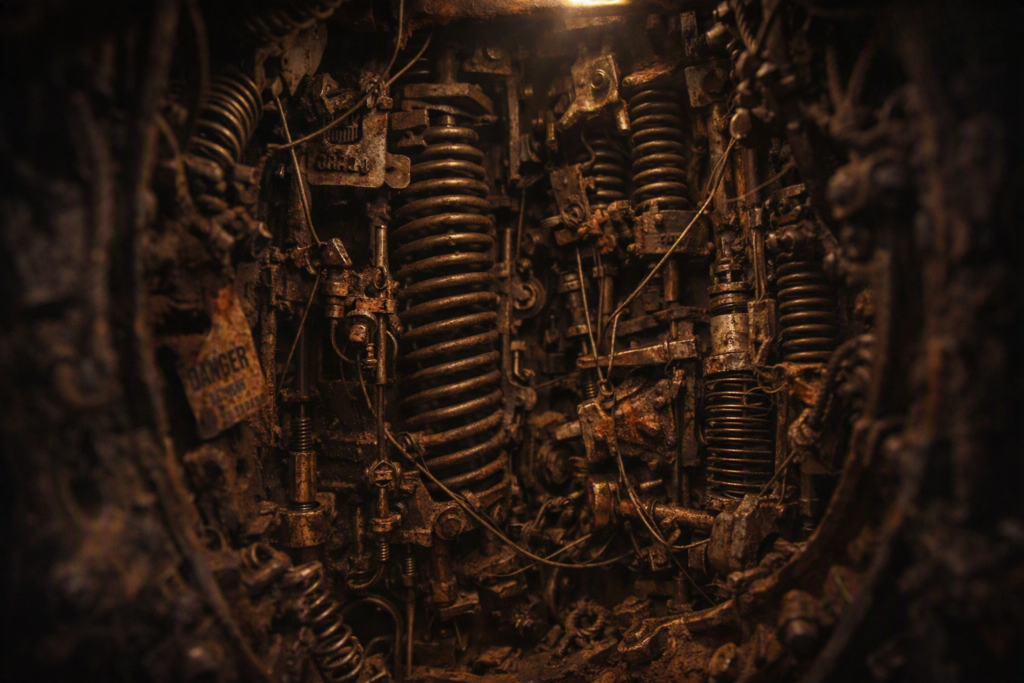
Humidity affects metal. Sweat affects metal. Breathing affects metal. Even the performer’s heartbeat creates tiny vibrations that travel through the suit. The springs respond to all of it. They are so sensitive that even a small shift in posture can be enough to unsettle them.
The physics behind the system is what makes it so terrifying. The danger is not supernatural. It is not magical. It is not mysterious. It is mechanical. It is predictable. It is inevitable. The suit is a ticking clock made of metal and tension, and the performer is standing inside it hoping the clock does not strike midnight.
How FNAF Uses Springlocks to Create Narrative Tension
The springlock system is not just a mechanical hazard. It is a storytelling tool. The suits represent ambition, recklessness, and the consequences of ignoring danger until it becomes unavoidable. They are a physical manifestation of the franchise’s recurring theme: the danger of pushing technology past its ethical limits.
Whenever a character interacts with a springlock suit, the audience feels the tension. The suits are Chekhov’s gun. If they appear, something is going to happen. The springlocks create suspense simply by existing. They are the kind of device that makes players lean forward, waiting for the inevitable snap.
The system also reinforces the franchise’s fascination with duality. The suits are both costume and machine. They are both safe and dangerous. They are both functional and fatal. This duality mirrors the larger themes of FNAF, where cheerful mascots hide sinister secrets and friendly façades conceal mechanical horrors.
Fans and the Endless Curiosity About Springlock Mechanics
There is something irresistible about the springlock system. Fans love to analyze it, theorize about it, and argue about the exact mechanics that make it so dangerous. The system is intentionally vague, which invites speculation. We see diagrams, hear warnings, and witness failures, but we never get a full technical manual.
This ambiguity is part of the fun. It lets fans imagine how the locks might work, what triggers them, and whether the suits could ever be made safe. It also lets fans explore the deeper symbolism behind the system. The springlocks are not just mechanical components. They are narrative catalysts.
The fascination also comes from the sheer drama of the system. The springlocks are theatrical. They are suspenseful. They are the kind of device that makes you hold your breath even when you know exactly what is going to happen. They are a perfect blend of engineering and storytelling.
How FNAF Springlock Suits Were Constructed
The construction of a springlock suit is a study in compromise. The designers wanted a costume that could move like an animatronic but still be worn by a human. To achieve this, they created a layered structure.
The outer layer is the costume itself. Fabric, fur, plastic, paint, and all the cheerful mascot details that make the suit look friendly. Beneath that is the animatronic endoskeleton, a rigid metal frame with joints, servos, and mechanical components designed to mimic movement. This frame is what gives the suit its shape and its ability to function as a robot.
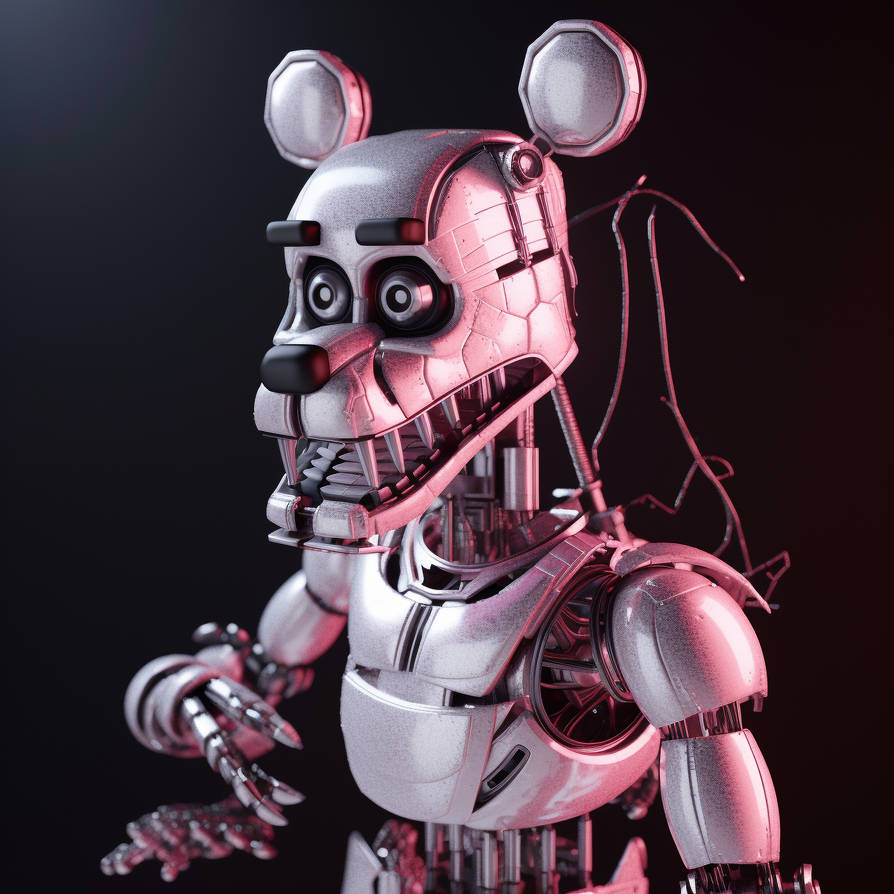
https://www.deviantart.com/coolarts223/art/Five-nights-at-Freddy-s-Realistic-animatronic-965017971The springlocks sit between these layers. They are the gatekeepers. They hold the endoskeleton back when the suit is in performer mode. They release it when the suit is in animatronic mode. The performer steps inside the hollowed‑out frame, trusting the locks to keep the machinery compressed.
Imagine someone climbing into a closet while the shelves are held back by bungee cords. The cords are tight. The shelves are heavy. Everything is stable as long as the cords stay hooked. The moment one slips, the entire closet collapses inward. The springlock suit behaves the same way, except the shelves are metal limbs and the closet is a mascot costume.
The construction is clever, but it is also reckless. The suit is a compromise between two incompatible functions. It is a machine pretending to be clothing. It is clothing pretending to be a machine. It is a design that works beautifully until it doesn’t.
The Emotional Weight of Springlock Failures
Springlock failures carry emotional weight because they are personal. They happen to characters we know. They change the trajectory of the story. They leave scars that echo through the franchise. The failures are not random. They are not supernatural. They are not accidents. They are the natural consequence of a system that was never safe to begin with.
The emotional impact comes from the inevitability. The springlocks are designed to fail. The suits are designed to be dangerous. The characters who use them are often desperate, careless, or unaware of the risk. When the locks snap shut, it feels like the culmination of long‑standing tension. It feels earned. It feels tragic.
The springlocks become symbols of guilt, consequences, and the dangers of ignoring warning signs. They are artifacts of a company that prioritized spectacle over safety, and they remain haunting reminders of the past.
A Brief Look at FNAF Safety Protocols That Should Have Existed
The springlock system is a perfect example of what happens when safety protocols are treated like optional seasoning instead of essential ingredients. The suits should have come with strict guidelines. They should have required training. They should have been retired the moment someone said “these things react badly to sweat.”
Instead, the protocols were vague. Performers were told to stay still, stay dry, and stay calm. That is not a safety protocol. That is a wish. A real protocol would have included inspections, humidity controls, emergency release mechanisms, and a rule that says “maybe don’t climb inside the unstable metal skeleton.”
The absence of proper safety measures is part of the horror. The danger is not just in the machinery. It is in the negligence. The springlocks become a symbol of a company that cut corners until the corners cut back.
The Future of FNAF and the Legacy of the Springlock System
The springlock system has become one of the most iconic elements of FNAF lore. It is referenced across games, books, and fan theories. It is a symbol of the franchise’s unique blend of mechanical horror and emotional storytelling.
As the series continues to evolve, the springlocks remain relevant. They are part of the franchise’s DNA. They are a reminder of the dangers that lurk beneath Fazbear Entertainment’s cheerful façade. They are a testament to the idea that even the smallest mechanical detail can carry enormous narrative weight.
There is something strangely beautiful about the springlocks. They are flawed. They are dangerous. They are dramatic. They are unforgettable. They are the perfect embodiment of what makes FNAF such a compelling universe.
And yes, they are also the perfect embodiment of why you should never trust a suit that requires you to stay perfectly still while surrounded by metal parts that really want to snap back into place.
Supporting Autumnelf on Ko‑Fi helps fuel new essays, book projects, ocean‑life explorations, theatrical deep dives, and the creative quests that make Phantom Orca Quest a vibrant, multimedia experience.
Get Me a Spark of Magic
