The Phantom of the Opera is one of those rare fictional figures who refuses to stay still. He slips through trapdoors, reinvents himself, changes his mask, changes his music, and somehow remains instantly recognizable even as he transforms. Gaston Leroux gave us the bones of the myth in 1910, but every generation since has taken Erik and held him up to the light like a prism. Each angle reveals something new. Sometimes he is a tragic romantic. Sometimes he is a gothic villain. Sometimes he is a glam rock fever dream. Sometimes he is a melodious gentleman with impeccable diction. Sometimes he is a wounded soul who simply wants to be loved. And sometimes he is a punchline in a panto who knows exactly what he is doing.
To understand how Erik has evolved, it helps to look at the major reinterpretations that shaped him. These productions do not just retell the same story. They reimagine the man behind the mask, his past, his desires, his wounds, and the way he haunts the Palais Garnier. The Phantom is never just a character. He is a cultural mirror. And every time he returns, he reflects the era that summoned him.
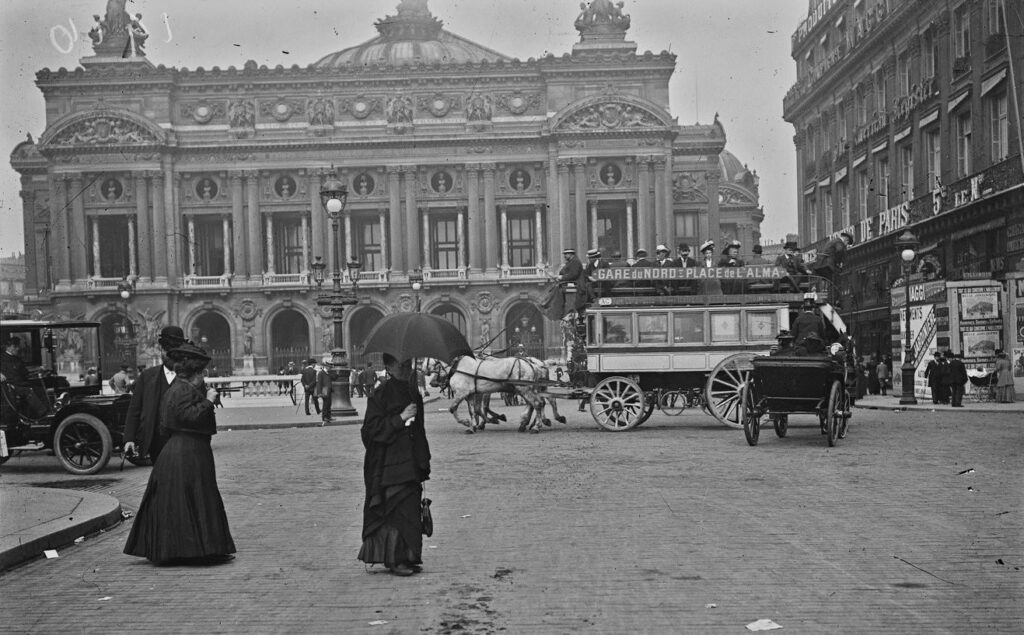
Source: Bibliothèque nationale de France, Gallica (Public Domain)
Before the Mask: Erik’s Pre‑Garnier Backstory
Leroux’s original novel gives Erik a surprisingly detailed past. He is born with a face so unsettling that his own mother cannot bear to look at him. He runs away, joins a troupe of traveling performers, becomes an architect, an assassin, a magician, and a master of disguise. He builds palaces in Persia. He learns to kill with a rope. He becomes a ghost long before he ever reaches the opera house.
Most adaptations simplify this. Some erase it entirely. Others expand it. Some turn him into a misunderstood genius. Others turn him into a supernatural force. Some productions treat his deformity as a metaphor for alienation. Others treat it as a literal curse. The pre‑Garnier Erik is a blank canvas that each creator paints differently. And those choices shape the Phantom we meet beneath the opera.
Ken Hill’s Phantom: The Operatic Trickster (1976 and 1984)
Ken Hill’s version predates Andrew Lloyd Webber’s by a decade, though history often forgets this. Hill’s Phantom is closer to Leroux’s original tone, which blends gothic melodrama with a wink. Hill uses existing opera arias with new lyrics, which gives his Phantom a theatrical flamboyance. This Erik is not a brooding Byronic figure. He is a dramatic creature who revels in the spectacle of his own myth.
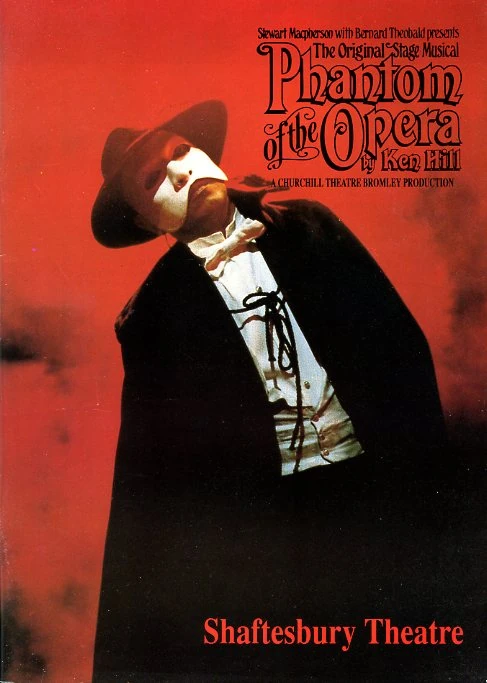
Hill’s Phantom has a mischievous streak. He is dangerous, but he is also theatrical in a way that feels almost self‑aware. His backstory is not heavily emphasized. Instead, he arrives fully formed, a ghost who delights in manipulating the opera house like a puppeteer. The actors who played him leaned into this operatic grandiosity. Their Eriks were showmen, tricksters, and masters of ceremony. They were less tortured and more gleefully dramatic, as if the Phantom himself were enjoying the performance.
Hill’s version planted the seed for a Phantom who could be funny, charming, and larger than life without losing his menace. It is a tone that would echo decades later in productions like The Panto of the Opera.
Andrew Lloyd Webber’s Phantom: The Romantic Antihero (1986)
When Andrew Lloyd Webber introduced his Phantom in 1986, he reshaped the character for an entirely new generation. Gone was the operatic trickster. In his place stood a tragic romantic hero whose pain was as central as his genius. This Erik was not simply a ghost. He was a man who had been denied love, beauty, and human connection. His deformity became symbolic of emotional isolation. His music became the language of longing.
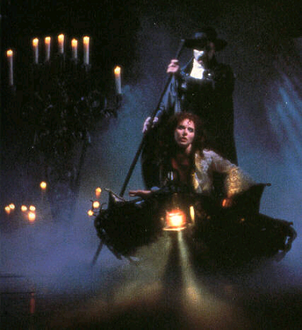
Michael Crawford’s performance defined this interpretation. His Phantom was fragile, yearning, and heartbreakingly earnest. He was terrifying when cornered, but his violence came from desperation rather than malice. Crawford brought a trembling vulnerability to the role that made audiences ache for him. His Erik was a man who wanted to be Raoul but knew he never could be. That tension shaped every gesture, every note, every moment behind the mask.
Later actors brought their own shades. Some leaned into the sensuality. Some leaned into the rage. Some leaned into the sorrow. But the core remained the same. Lloyd Webber’s Phantom is a romantic tragedy. He is the monster who wants to be loved. He is the villain who breaks his own heart. He is the man who sings because speaking is not enough.
This version became the global image of the Phantom. It is the Erik most people picture when they hear the name. And it set the stage for every reinterpretation that followed.
Maury Yeston’s Phantom: The Melodious Gentleman (1991)
Maury Yeston and Arthur Kopit’s Phantom is a softer, more human story. Their Erik is not a supernatural figure or a gothic terror. He is a lonely, brilliant man who has been hidden away by a cruel world. His backstory is expanded with emotional clarity. He is raised in the opera house by a kind ballerina who becomes his surrogate mother. He grows up surrounded by music, longing to be part of the world he can only watch from the shadows.
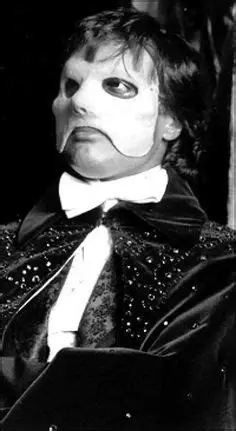
Yeston’s score is lush, melodic, and full of variety. His Erik sings with warmth and vulnerability. He is not a creature of darkness. He is a man who has been denied sunlight. The actors who play him often emphasize his gentleness. Their Eriks are tender, articulate, and deeply sympathetic. They are less volatile than Lloyd Webber’s Phantom and more grounded in emotional realism.
This Erik is not defined by rage. He is defined by longing. He wants connection, not control. He wants to be seen, not feared. Yeston’s Phantom is a reminder that the character can be tragic without being monstrous. He can be powerful without being terrifying. He can be a romantic lead without the gothic trappings.
Love Never Dies: The Phantom as Byronic Rockstar (2010)
Love Never Dies takes Lloyd Webber’s Phantom and asks what happens after the chandelier falls. The answer is that Erik becomes a Byronic rockstar on Coney Island. This Phantom is older, more confident, and more emotionally volatile. His longing has hardened into obsession. His genius has sharpened into ambition. His love for Christine has become the axis of his entire existence.
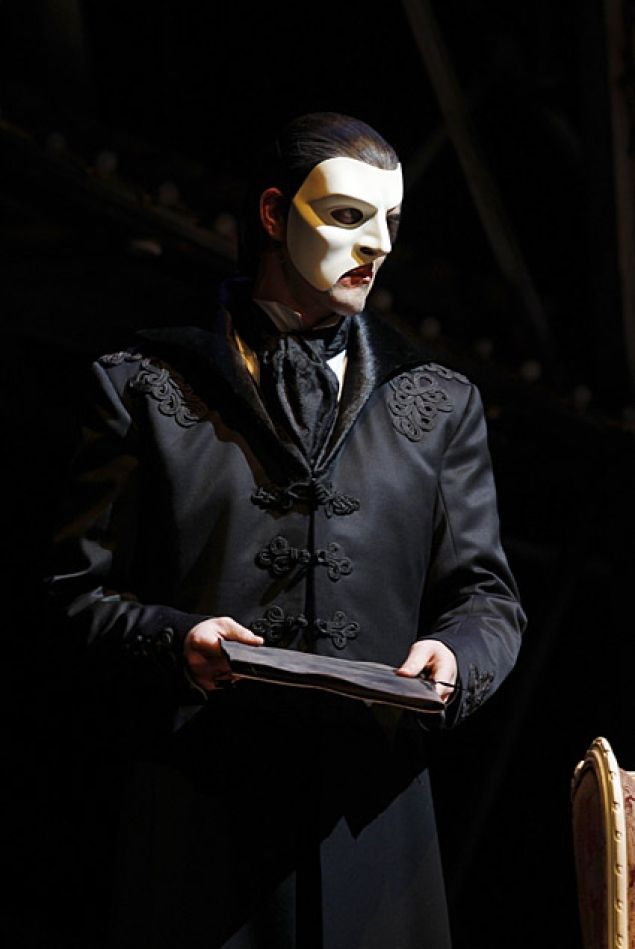
The actors who play him in this sequel often lean into the heightened drama. Their Eriks are passionate, tempestuous, and larger than life. They are men who have tasted love and cannot let it go. The backstory expands to include a night with Christine that changes everything. The Phantom becomes a father without knowing it. His tragedy deepens. His desires intensify.
Love Never Dies is controversial, but it undeniably pushes the character into new territory. This Erik is no longer the trembling figure in the shadows. He is a man who has stepped into the spotlight and discovered he likes it. He is bold, theatrical, and emotionally explosive. He is the Phantom turned up to eleven.
Phantom of the Paradise: The Glam Rock Demon (1974)
Brian De Palma’s Phantom of the Paradise predates most modern adaptations and takes the story in a wildly different direction. This Phantom is not Erik. He is Winslow Leach, a composer who is betrayed, mutilated, and transformed into a glam rock specter haunting a music venue called The Paradise.
This version is satirical, surreal, and drenched in seventies glam. Winslow is a victim of the music industry rather than society at large. His mask is a metallic birdlike helmet. His voice is distorted through a synthesizer. His tragedy is wrapped in glitter and neon.
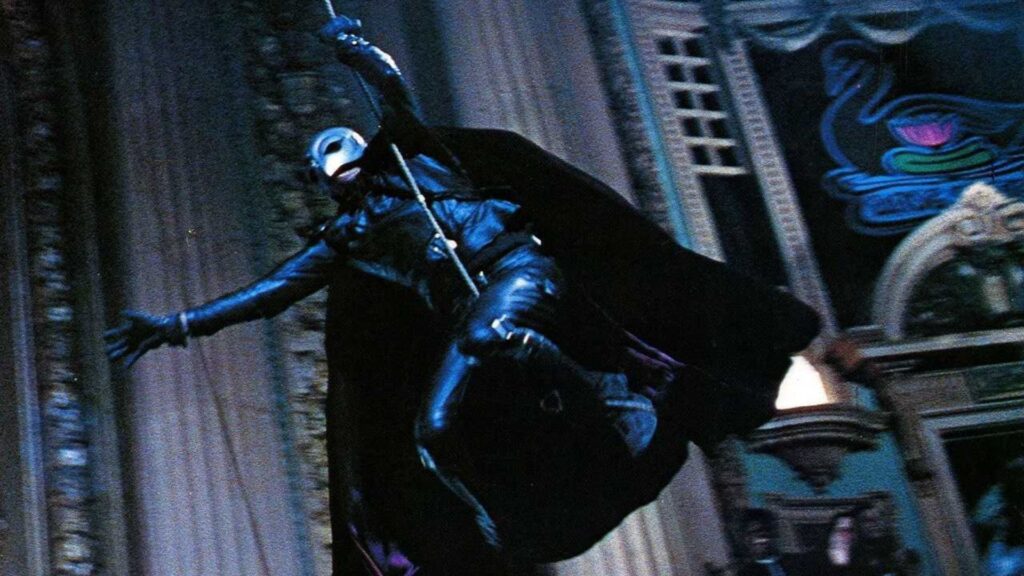
The actor who plays him, William Finley, brings a manic intensity to the role. His Phantom is desperate, furious, and heartbreakingly sincere beneath the absurdity. He is a reminder that the Phantom archetype can stretch far beyond the opera house. He can become a symbol of artistic exploitation, corporate greed, and the cost of genius in a commercial world.
Phantom of the Paradise shows that the Phantom is not tied to Paris. He is tied to the idea of a brilliant outsider crushed by a corrupt system. That idea is timeless.
The Panto of the Opera: The Phantom as Comic Archetype (2023)
The Panto of the Opera takes the Phantom and gleefully turns him inside out. This Erik is not a tragic figure. He is a comedic one. He knows he is ridiculous and leans into it. His mask becomes a prop. His lair becomes a punchline. His melodrama becomes a source of joy rather than sorrow.
This version celebrates the cultural ubiquity of the Phantom. He has become iconic enough to parody. The actors who play him embrace the silliness with gusto. Their Eriks are flamboyant, self‑aware, and delightfully chaotic. They are not trying to scare anyone. They are trying to entertain.
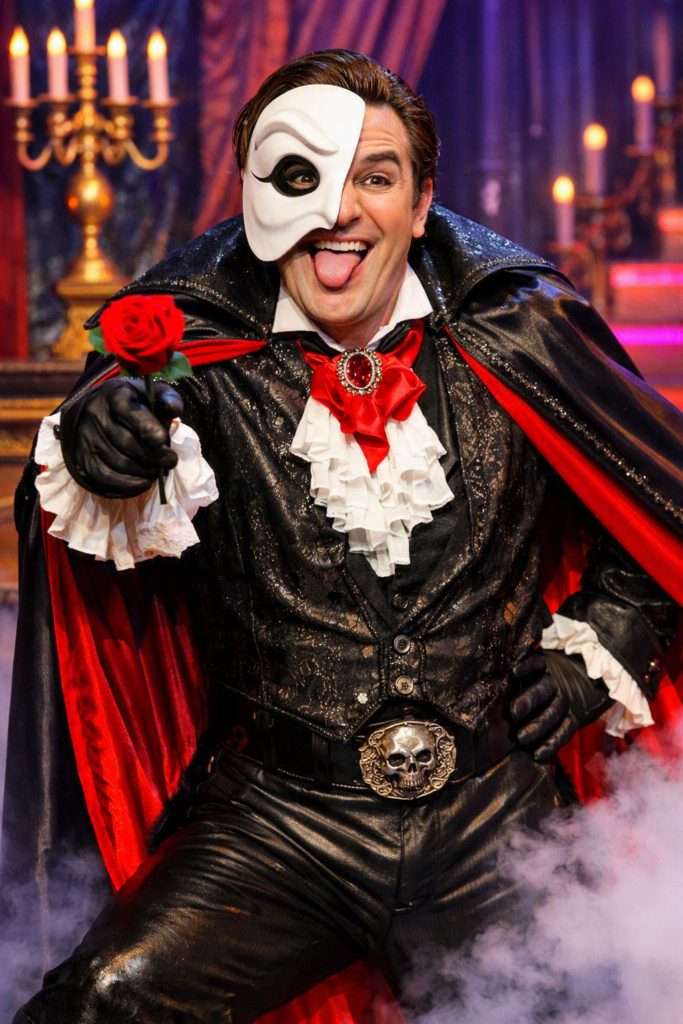
The Panto of the Opera proves that the Phantom has entered the realm of myth. Once a character becomes parodyable, he has achieved cultural immortality. Erik has joined the ranks of Dracula, Sherlock Holmes, and Frankenstein’s creature. He is no longer just a character. He is a symbol.
Masquerade: The Phantom Reborn for 2025
Masquerade, currently headlining in New York City, represents the newest evolution of the Phantom myth. This production reimagines Erik for a contemporary audience while honoring the gothic roots of the story. Its Phantom is a blend of the romantic, the tragic, and the mysterious. His backstory is explored with psychological nuance. His genius is portrayed with modern sensibility. His relationship with Christine is reframed through a twenty‑first century lens.
The actors who play him in this production bring a layered complexity to the role. Their Eriks are haunted but not helpless, powerful but not monstrous, vulnerable but not broken. They embody the Phantom as a man shaped by trauma but not defined by it. They explore the tension between beauty and horror, longing and fear, love and obsession.
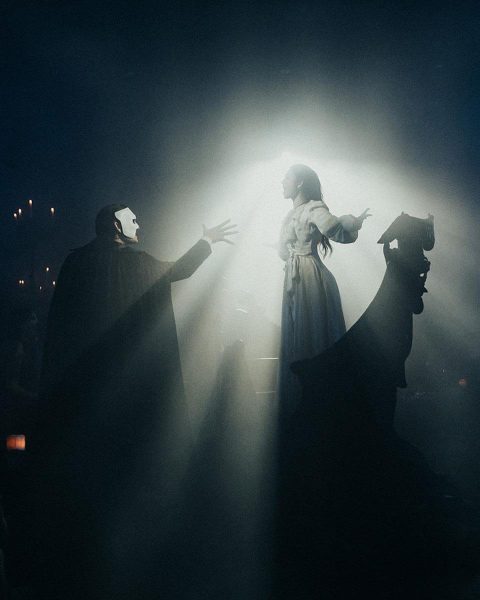
Masquerade shows that the Phantom continues to evolve because he continues to matter. Each generation finds something new in him. Each actor uncovers a different facet. Each production adds another layer to the mask.
The Ever‑Changing Face of Erik
Across all these interpretations, one truth remains constant. The Phantom is never just one thing. He is a kaleidoscope of possibilities. He can be tragic, terrifying, tender, hilarious, glamorous, operatic, or intimate. He can be a villain, a victim, a lover, a ghost, a genius, or a warning.
Every actor who plays him brings something new. Some emphasize his rage. Some emphasize his sorrow. Some emphasize his sensuality. Some emphasize his intellect. Some emphasize his humor. The Phantom is a role that invites interpretation. It demands it. He is a character built on contradiction, and contradiction is fertile ground for creativity.
Erik evolves because we evolve. He reflects our fears, our desires, our anxieties, and our fantasies. He is the mask we put on when we want to hide and the voice we use when we finally dare to sing.
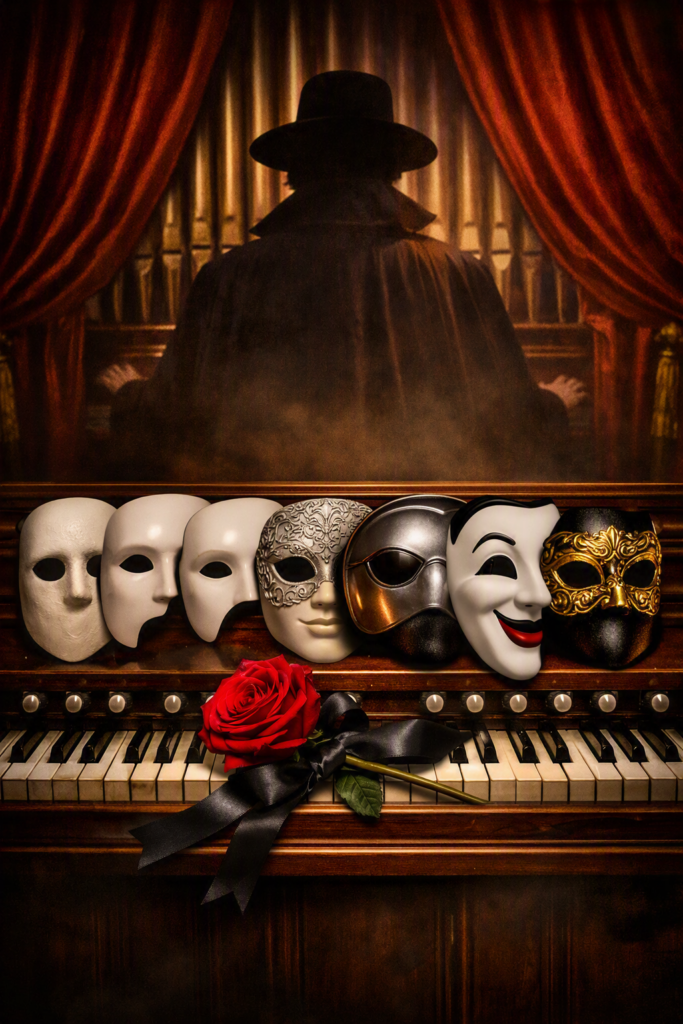
The Phantom of the Opera endures because he is always becoming. And as long as there are stages to haunt and audiences to captivate, he will continue to rise from the shadows, step into the spotlight, and reveal a new face beneath the mask.
Supporting Autumnelf on Ko‑Fi helps fuel new essays, book projects, ocean‑life explorations, theatrical deep dives, and the creative quests that make Phantom Orca Quest a vibrant, multimedia experience.
Get Me a Spark of Magic