There’s something quietly enchanting about the moment a game hands you its world. Not the dramatic cutscene, not the heroic prologue, but that simple reveal of the map. Suddenly you’re holding a tiny paper universe, and it’s whispering promises. It’s telling you where danger lurks, where mysteries hide, and where you might accidentally wander into a swamp because you got distracted by a cool-looking coastline. Maps are sneaky like that. They guide you, tempt you, and sometimes lovingly betray you. And that’s exactly why they’re one of the most powerful storytelling tools in game design.
How Maps Spark Curiosity and Shape Exploration
Maps are the first storytellers you meet in a game. Before you talk to an NPC or swing a sword, you’re already reading the land. A jagged mountain range suggests harshness. A cluster of tiny islands hints at secrets. A big blank area practically screams that something is waiting for you there, probably with teeth.
Game designers know this. They use maps to nudge your imagination long before you set foot anywhere. A well-crafted map doesn’t just show terrain. It shows intention. It’s the designer’s way of saying, “Hey, look over here. No reason. Just… look.”
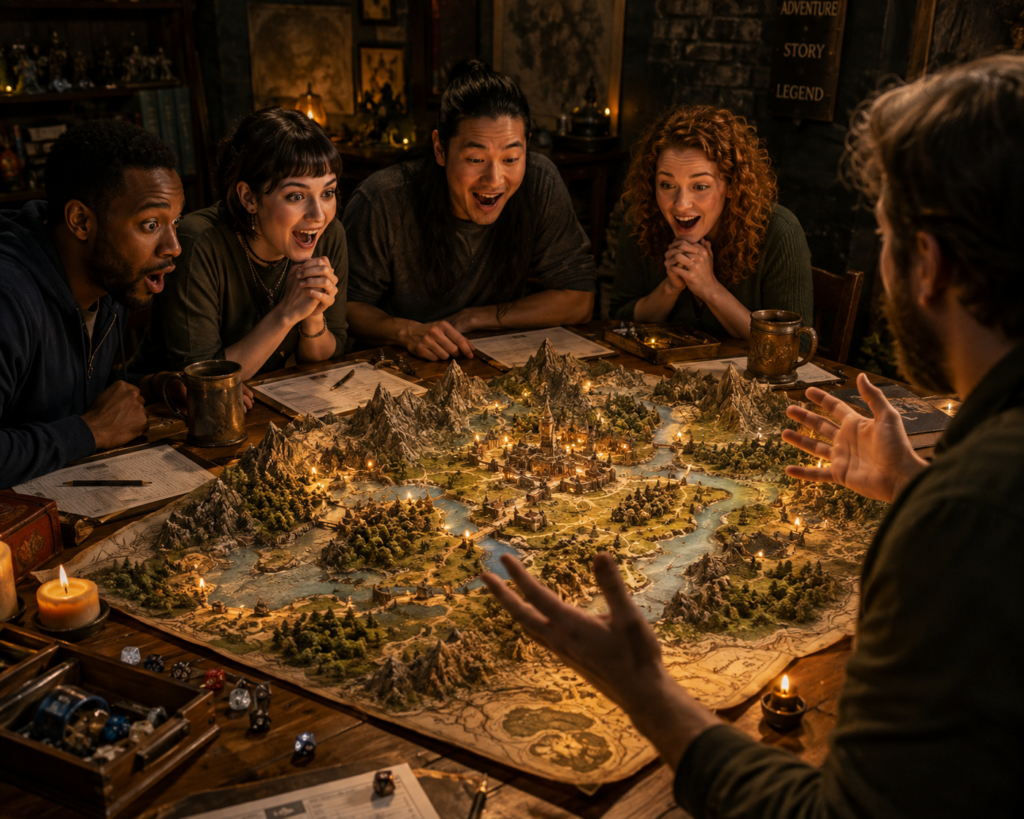
And because players are naturally curious creatures, we follow those hints. We chase the little dotted path that winds into the forest. We wonder why that one lake is shaped like a perfect circle. We notice that the ruins in the corner of the map have no quest marker, which means we absolutely must go there immediately. Maps turn exploration into a conversation between player and world, one where the world always has the upper hand.
Lore Hidden in Maps and Why It Matters
Maps are lore delivery systems disguised as navigation tools. They’re the quiet archivists of a game’s history. Every border, every landmark, every oddly named valley is a breadcrumb leading you deeper into the world’s past.
A kingdom split by a river might hint at an ancient conflict. A city built inside a crater suggests a story of survival. Even the absence of something can be lore. A barren stretch of land with no settlements might imply danger, tragedy, or a magical event that scorched the earth long ago.
Players pick up on these things instinctively. We’re pattern seekers. We read meaning into shapes and symbols. When a map shows us a place called “The Whispering Marsh,” we don’t need a codex entry to know something eerie happened there. The map already told us.
This is why maps are such powerful storytelling tools. They let players discover lore without being spoon-fed. They let the world speak for itself. And they reward curiosity with understanding, which is one of the most satisfying feelings in any game.
Maps as Emotional Anchors in Player Experience
Maps aren’t just informational. They’re emotional. They become part of the player’s memory of the game. Think about how many times you’ve looked at a map and remembered a moment. That cliff where you fought a dragon. That village where you accidentally stole a chicken and caused a riot. That cave where you got lost for forty minutes because you refused to admit you needed to backtrack.
Maps hold those memories. They become a scrapbook of your journey. Even after you’ve finished a game, you can look at its map and feel something. Nostalgia. Pride. Mild embarrassment. A good map becomes a companion, one that grows richer the more you explore.
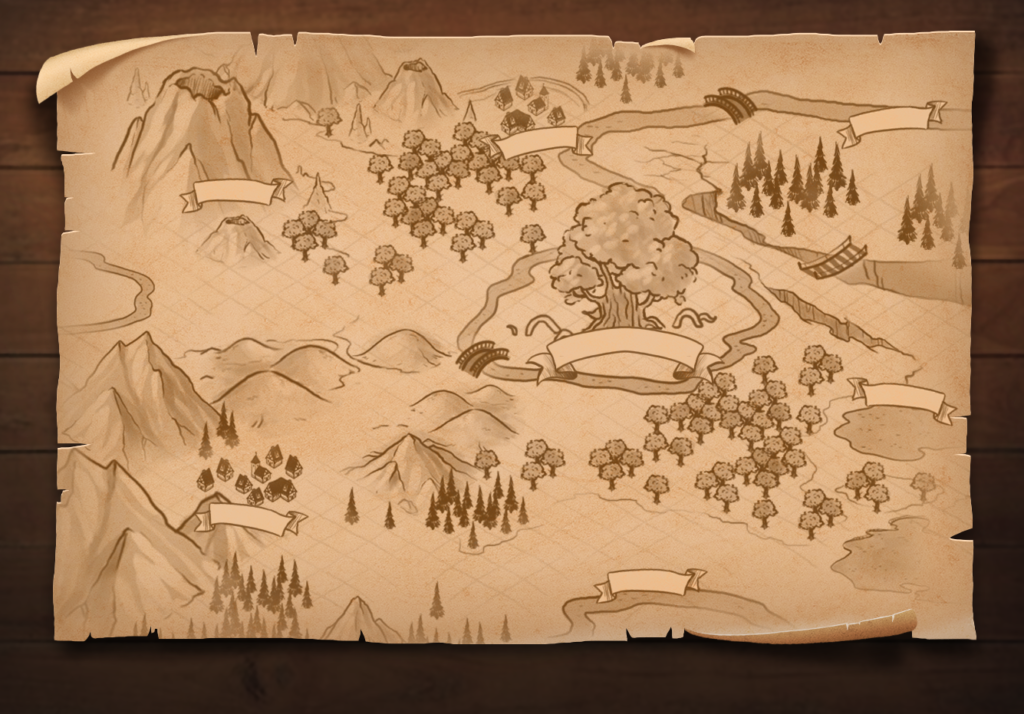
Designers lean into this emotional connection. They place landmarks in ways that make them unforgettable. They shape regions so each one feels distinct. They use color, texture, and layout to evoke mood. A snowy tundra feels lonely. A bustling port city feels alive. A desert feels vast and unforgiving. The map becomes a mood board for the entire game.
The Role of Maps in Guiding Player Imagination
Maps don’t just show what exists. They hint at what might exist. They leave gaps, edges, and mysteries that players fill with their own imagination. This is where the real magic happens.
When you see a fogged-out region, your brain starts inventing possibilities. Maybe there’s a hidden fortress. Maybe there’s a giant creature. Maybe there’s a tiny village full of people who only speak in riddles. The map doesn’t tell you. It just invites you to wonder.
This invitation is one of the most powerful forms of storytelling. It turns players into co-authors. It lets them dream about the world before they experience it. And when they finally reach those places, the reveal feels personal because they’ve already built expectations in their mind.
Maps also shape imagination through scale. A massive continent suggests epic adventure. A small, cozy island suggests intimacy. A sprawling underground network suggests danger and complexity. The map sets the tone for the entire game, and players respond by imagining the kind of story they’re about to live.
How Maps Build Anticipation and Momentum
Maps are momentum machines. They keep players moving forward by showing them what lies ahead. Even if you’re not actively exploring, the map is always there, quietly reminding you of the places you haven’t visited yet.
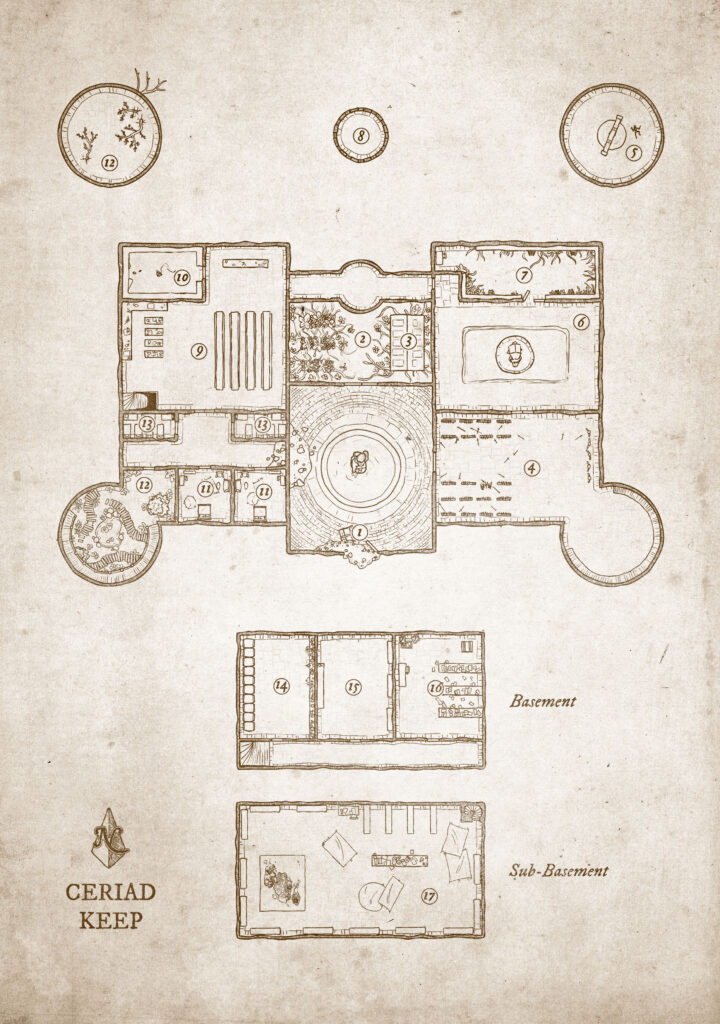
That little icon you haven’t reached. That region you haven’t unlocked. That suspicious-looking peninsula that absolutely has a treasure chest on it. Maps create a sense of unfinished business, and players love finishing business.
Designers use this to keep players engaged. They place points of interest just far enough apart to encourage exploration. They scatter secrets in ways that reward detours. They design paths that feel natural to follow. The map becomes a subtle guide, one that keeps the adventure flowing without ever forcing you.
Maps as Storytelling Companions in Open Worlds
Open world games rely heavily on maps because they need to balance freedom with direction. A good map in an open world doesn’t restrict you. It empowers you. It gives you the tools to choose your own path while still feeling connected to the story.
This is where cartography becomes true storytelling. The map becomes a narrative structure. It shows how regions relate to each other. It reveals the geography of conflict. It highlights the places where major events unfold. It becomes a visual outline of the story’s shape.
Players use maps to understand the world’s logic. Why is the desert next to the mountains. Why is the capital city built on a river. Why is the villain’s fortress perched on a cliff overlooking everything. These choices aren’t random. They’re narrative decisions expressed through geography.
When players notice these patterns, they feel more immersed. They feel like the world makes sense. And that sense of coherence is one of the most important ingredients in good storytelling.
The Art of Map Design and Why It’s So Hard
Designing maps is a delicate balance of aesthetics, function, and narrative. They need to look beautiful. They need to be easy to read. And they need to tell a story without overwhelming the player.
This is harder than it sounds. Too much detail and the map becomes cluttered. Too little detail and the world feels empty. Too many icons and the player feels stressed. Too few icons and the player feels lost. It’s a dance, and designers spend countless hours tweaking layouts to get it right.
Maps also need to reflect the world’s personality. A whimsical fantasy world might have hand-drawn illustrations. A sci-fi world might have holographic overlays. A horror game might have maps that look like they were scribbled by someone who was very nervous. The style of the map becomes part of the storytelling.
And then there’s the question of accuracy. Maps in games don’t have to be perfectly realistic. In fact, they often aren’t. Designers exaggerate distances, simplify shapes, and rearrange landmarks to make navigation easier. The goal isn’t realism. It’s clarity. And clarity is its own kind of artistry.
Why Maps Make Games Feel Bigger Than They Are
Maps have a magical ability to make worlds feel larger. Even small games can feel expansive if their maps are designed well. This is because maps show potential. They show the world as a whole, not just the part you’re currently in.
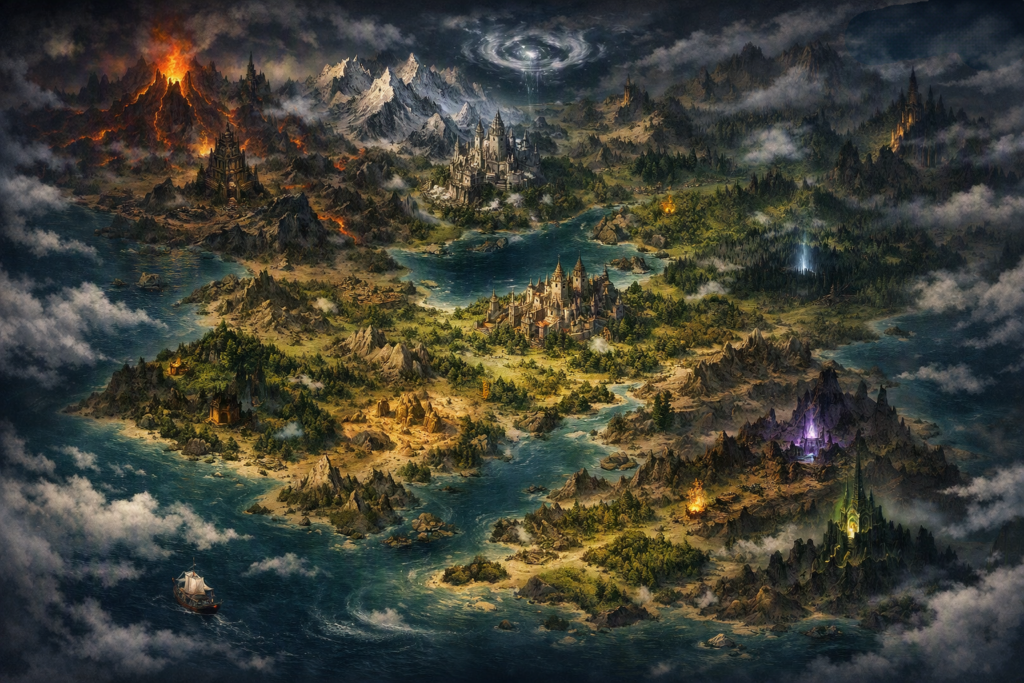
When you see a map with multiple regions, your brain immediately starts imagining what each one is like. Even if the game is modest in size, the map creates a sense of scale. It makes the world feel alive and interconnected.
This illusion of size is one of the reasons maps are so important. They give players a sense of grandeur. They make the adventure feel epic. And they help players feel like they’re part of something bigger than the moment-to-moment gameplay.
The Joy of Getting Lost and Finding Your Way Again
One of the most delightful experiences in any game is getting lost. Not the frustrating kind of lost where you wander in circles for an hour. The fun kind of lost where you stumble into something unexpected.
Maps make this possible. They give you just enough information to feel confident, but not so much that you never stray from the path. They encourage detours. They reward curiosity. And they make the world feel unpredictable in the best way.
Finding your way again is equally satisfying. That moment when you open the map and realize you’ve wandered into a region you weren’t planning to visit. That moment when you spot a landmark and suddenly know exactly where you are. It’s a tiny triumph, and it feels good every time.
The Future of Maps in Game Design
As games evolve, maps evolve with them. We’re seeing dynamic maps that change based on player choices. Maps that reveal themselves gradually. Maps that incorporate narrative events. Maps that respond to the world in real time.
These innovations make maps even more powerful as storytelling tools. They allow designers to create worlds that feel alive and reactive. They let players see the consequences of their actions reflected in geography. And they deepen the relationship between player and world.
But even with all this innovation, the core magic of maps remains the same. They guide us. They inspire us. They tell stories quietly, patiently, and beautifully.
The Heart of Cartography as Storytelling
Maps are more than tools. They’re companions. They’re storytellers. They’re invitations to adventure. They shape how we explore, how we imagine, and how we remember the worlds we love.
When a game gives you a map, it’s giving you a promise. A promise of discovery. A promise of mystery. A promise of story. And every time you unfold that map, you’re stepping into that promise all over again.
So here’s to the magic of game maps. The tiny worlds that feel enormous. The quiet storytellers that shape our journeys. The cartographers who build dreams out of lines and symbols. And the players who bring those dreams to life by exploring every corner, every coastline, every hidden cave.
Maps are where the story begins. And sometimes, they’re where it ends too.
Supporting Autumnelf on Ko‑Fi helps fuel new essays, book projects, ocean‑life explorations, theatrical deep dives, and the creative quests that make Phantom Orca Quest a vibrant, multimedia experience.
Get Me a Spark of Magic