The Strange Sparkle of Scandal
Chicago has always had a flair for drama. The city practically hums with it. You can feel it in the architecture, in the history, in the way the wind whips around the corners like it’s trying to deliver gossip straight to your ear. And if you’ve ever watched the musical Chicago, you already know the city didn’t just flirt with scandal. It waltzed with it. It tangoed. It dipped. It threw glitter on the floor and said, “Let’s make this interesting.”
The wildest part is that the show isn’t exaggerating as much as you might think. Chicago really did turn crime into entertainment. Murder trials became stage shows. Reporters became directors. Defendants became celebrities. And the public ate it up like it was the world’s most chaotic buffet.
Chicago and the Birth of the Media Circus
Long before paparazzi chased celebrities through airports, Chicago had its own version of the spectacle. The newspapers of the 1920s weren’t just reporting the news. They were crafting characters. They were building narratives. They were deciding who was innocent, who was guilty, and who was simply too glamorous to be either.
The courtroom wasn’t a place of solemn justice. It was a theater. People lined up outside like they were waiting for a Broadway matinee. The defendants, especially the women, were treated like rising stars. If you were pretty, charming, or had a good sob story, you were practically guaranteed a fan club.
And if you weren’t? Well. You’d better hope your lawyer had a flair for jazz hands.
The Power of Narrative
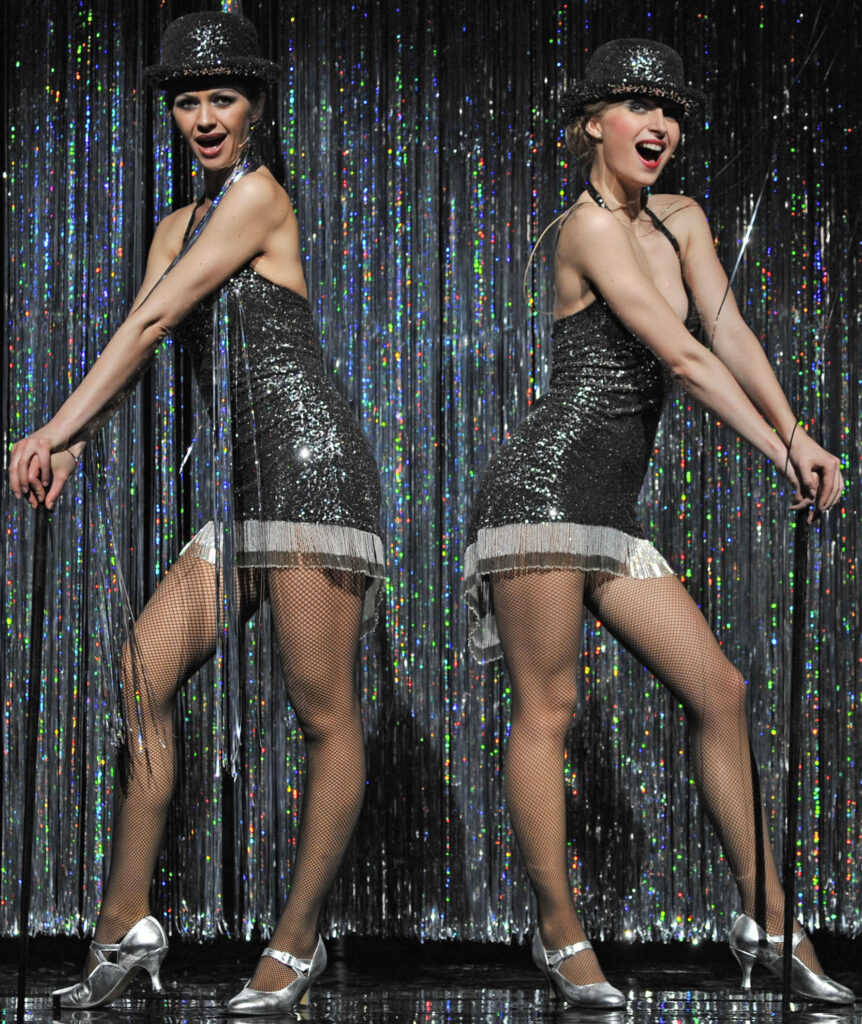
The musical Chicago leans hard into this idea. Roxie Hart and Velma Kelly aren’t just fighting for freedom. They’re fighting for relevance. They’re fighting for headlines. They’re fighting for the spotlight because the spotlight is what keeps them alive.
It’s a strange thing to realize that the truth mattered less than the story. If a reporter liked you, your chances skyrocketed. If the public found you fascinating, you were golden. If you could cry on cue, pose dramatically, or deliver a witty one-liner, you were practically untouchable.
Chicago’s media machine didn’t just report on crime. It shaped it. It molded it. It turned it into entertainment. And once entertainment enters the courtroom, justice starts to wobble like a Jell-O mold left out in the sun.
The Cell Block Tango & The Women Who Became Legends
The real women behind the musical’s characters were not shy about using the press to their advantage. They posed for photos. They gave interviews. They played innocent or seductive depending on what the papers wanted that day.
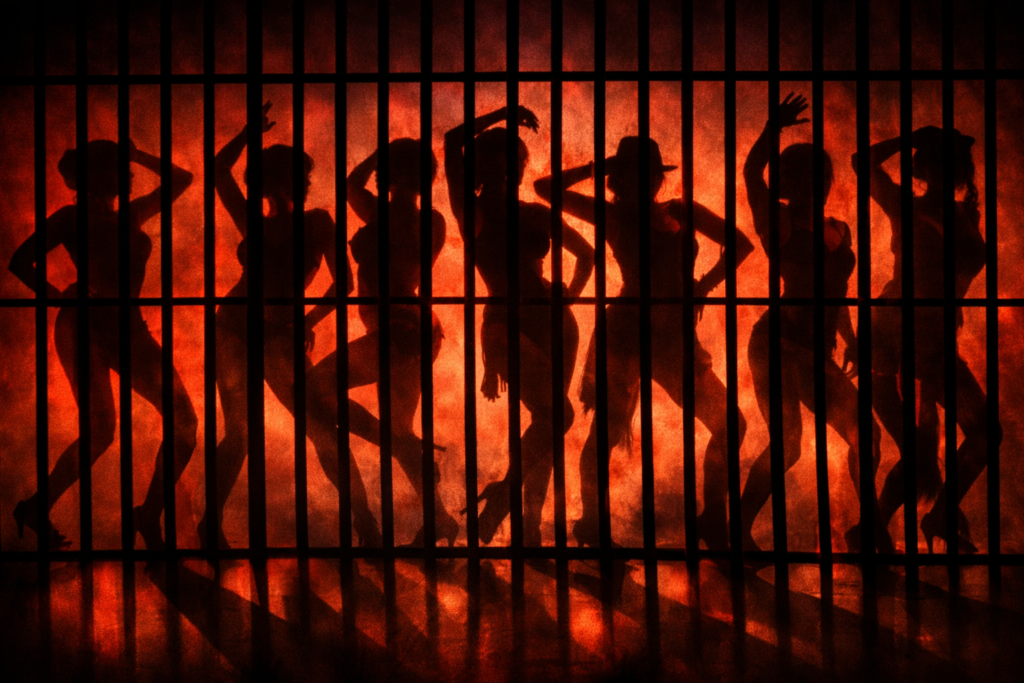
One woman even brought her baby to court to gain sympathy. Another wore outfits specifically chosen to photograph well. They understood the assignment. They understood the game. And Chicago rewarded them for it.
The city loved a good story. It loved a good scandal. It loved a woman who could turn a murder trial into a fashion show. And honestly, who can blame the public for being captivated? It’s human nature to be drawn to spectacle. Chicago just happened to be the place where spectacle and justice collided like two taxis at a busy intersection.
Chicago and the Rise of Celebrity Criminals
We talk a lot today about celebrity culture. About influencers. About people who become famous for being famous. But Chicago was already doing that a century ago. The difference is that instead of posting thirst traps or makeup tutorials, these women were posing next to their lawyers and giving quotes about how “we both reached for the gun.”
The newspapers treated them like stars. They described their outfits. Their hairstyles. Their facial expressions. They wrote about their personalities as if they were reviewing a performance. And the public responded exactly the way you’d expect. They picked favorites. They debated guilt. They followed the trials like serialized dramas.
Chicago didn’t just create celebrity criminals. It created the blueprint for modern media obsession.
Mary Sunshine & Reporters Who Pulled the Strings
The reporters of the era weren’t neutral observers. They were storytellers. They were puppeteers. They were the ones who decided which defendant deserved sympathy and which one deserved scorn.
Some reporters even coached the women on how to behave. They’d suggest outfits. They’d recommend emotional beats. They’d encourage dramatic pauses. It was journalism meets theater, and Chicago was the stage.
Billy Flynn, the slick lawyer in the musical, is a perfect embodiment of this dynamic. He knows the trial isn’t about evidence. It’s about performance, “that old razzle dazzle”. It’s about crafting a narrative that the public will swallow whole. And he’s very, very good at it.
Chicago: the Danger of Showmanship
It’s easy to laugh at the absurdity of it all. The jazz. The feathers. The dramatic monologues. But beneath the sparkle is something unsettling. When showmanship becomes more important than truth, justice becomes a prop. It becomes a costume. It becomes something you can manipulate with a wink and a smile.
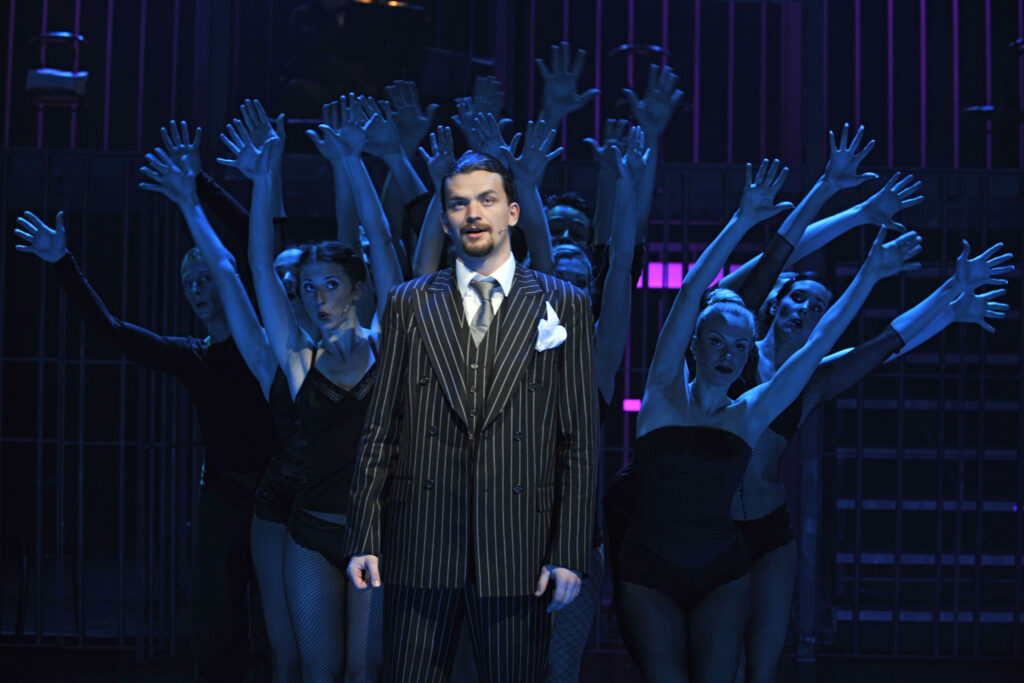
Chicago’s history reminds us that the media has enormous power. It can elevate. It can destroy. It can twist reality until it looks like a funhouse mirror. And when the public is hungry for entertainment, the media will feed them whatever keeps them watching.
Even if that means turning a murder trial into a musical number.
The Echoes We Still Hear Today
The world has changed since the 1920s, but the echoes of Chicago’s media circus are still with us. We still see cases where public opinion overshadows evidence. We still see defendants treated like celebrities. We still see reporters shaping narratives instead of simply reporting facts.
And we still see audiences who can’t look away.
Chicago’s story isn’t just about corruption or crime. It’s about the human desire for drama. It’s about the way we gravitate toward spectacle. It’s about the way we let entertainment seep into places where it doesn’t belong.
The musical exaggerates for flair, but the bones of the story are real. Chicago really did turn justice into a show. And the world has been struggling with that legacy ever since.
Chicago and the Strange Beauty of the Chaos
Despite all the chaos, there’s something undeniably captivating about Chicago’s history. It’s messy. It’s dramatic. It’s full of contradictions. It’s a city that embraces its flaws and turns them into art.
The musical captures that energy perfectly. It’s funny. It’s sharp. It’s cynical. It’s glamorous. It’s a reminder that humans are complicated creatures who love a good story even when the story is dark.
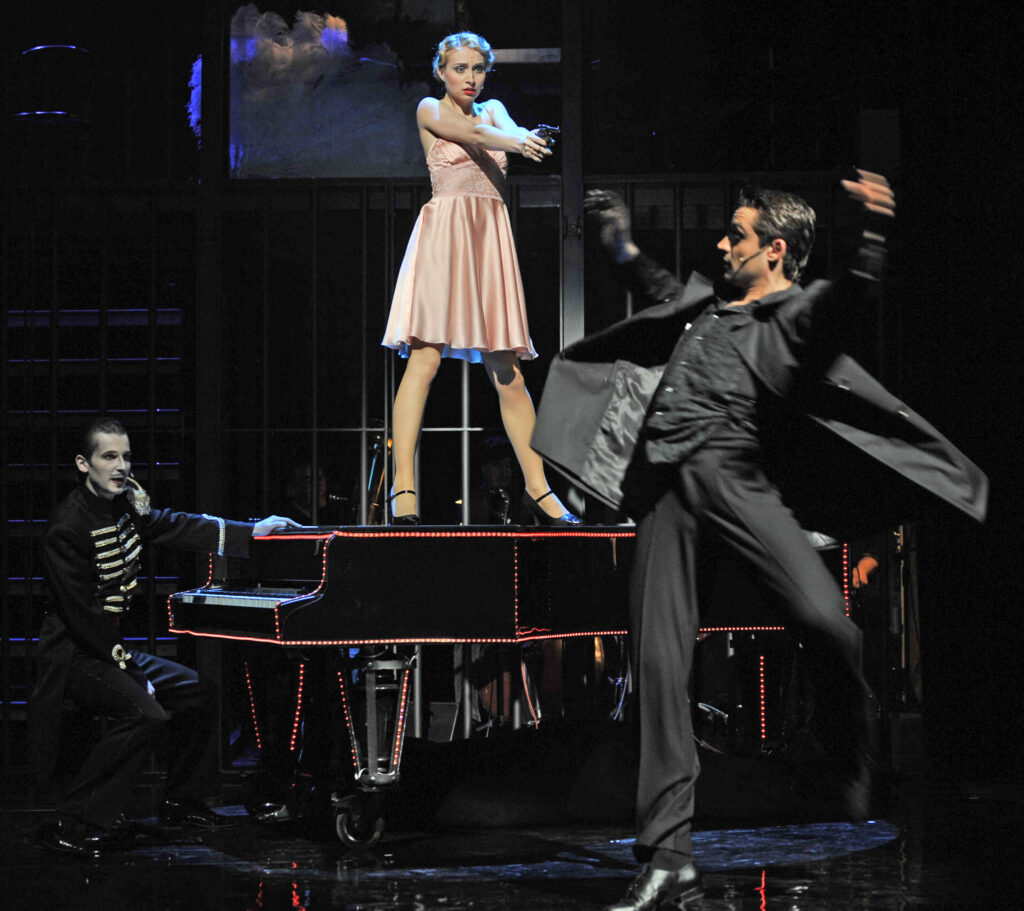
Chicago’s media circus wasn’t healthy. It wasn’t fair. It wasn’t just. But it was undeniably human. And maybe that’s why it still resonates.
The Lesson Hidden Beneath the Glitter
If there’s one takeaway from Chicago’s wild past, it’s this. When the media controls the narrative, truth becomes negotiable. When showmanship enters the courtroom, justice becomes fragile. And when the public demands entertainment, they’ll get it, even if it comes at the cost of reality.
Chicago’s story is a warning wrapped in sequins. It’s a cautionary tale with jazz hands. It’s a reminder that we should always question the narratives we’re given, especially when they’re delivered with flair.
And maybe, just maybe, it’s a reminder that we should be careful about who we turn into celebrities. Because once the spotlight hits, it’s very hard to turn it off.
Chicago: the Curtain Call
Chicago remains one of the most fascinating examples of how media, crime, and celebrity culture can collide. It’s a city that turned scandal into spectacle and spectacle into legacy. It’s a place where justice danced with entertainment and entertainment usually won.
And honestly, it’s hard not to be a little dazzled by it. Even as we shake our heads. Even as we laugh. Even as we cringe.
Chicago knew how to put on a show. It still does.
Supporting Autumnelf on Ko‑Fi helps fuel new essays, book projects, ocean‑life explorations, theatrical deep dives, and the creative quests that make Phantom Orca Quest a vibrant, multimedia experience.
Get Me a Spark of Magic