Coral cities begin quietly. They don’t roar to life like human cities with construction crews and traffic jams and someone yelling about how the latte machine is broken again. Instead, they start with a tiny architect drifting through warm water. This little coral polyp settles down, looks around its patch of ocean real estate, and decides it’s time to build. It doesn’t have blueprints or a hard hat. It just gets to work, shaping the foundation of an entire ecosystem one microscopic layer at a time.
Coral Foundations and the First Builders
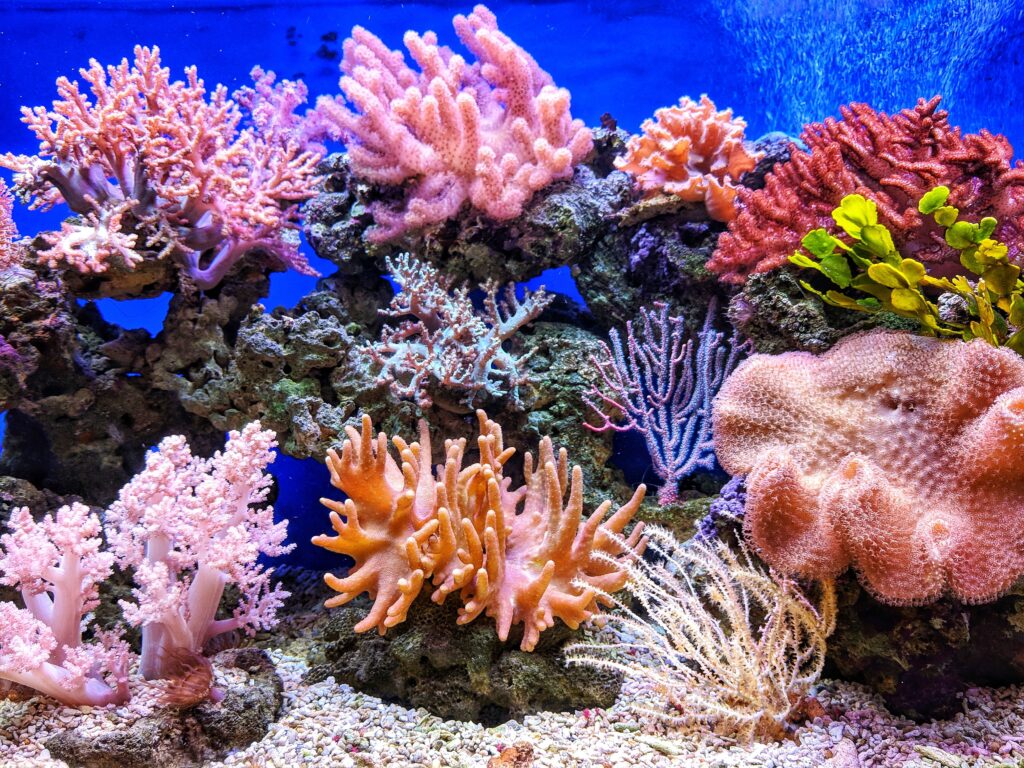
A coral city begins with calcium carbonate, which is basically the ocean’s version of concrete. Each polyp secretes a bit of it, forming a protective skeleton. It’s like the polyp is saying, “I’m small, but I’m mighty, and I’m going to build a skyscraper that fish will brag about.” Over generations, these skeletons stack and fuse until they become reefs. Not just reefs, but neighborhoods, districts, and whole underwater metropolises.
The wild part is that coral doesn’t grow in straight lines or neat grids. It grows in curves and branches and spirals. It grows in shapes that look like brains, antlers, fans, and sometimes like someone dropped a pile of neon spaghetti. Every form has a purpose. Branching coral creates hiding places for tiny fish. Massive boulder coral offers shelter from storms. Plate coral catches sunlight like a solar panel. The architecture is functional, beautiful, and occasionally a little weird, which is honestly my favorite combination.
Coral Neighborhoods Are Full of Life
Once the coral city has a foundation, the residents move in. Fish weave through the structures like commuters on their morning route. Crabs scuttle across coral balconies. Sea stars lounge on coral rooftops. Even sponges and algae join the party, adding color and texture like the city’s painters and gardeners.
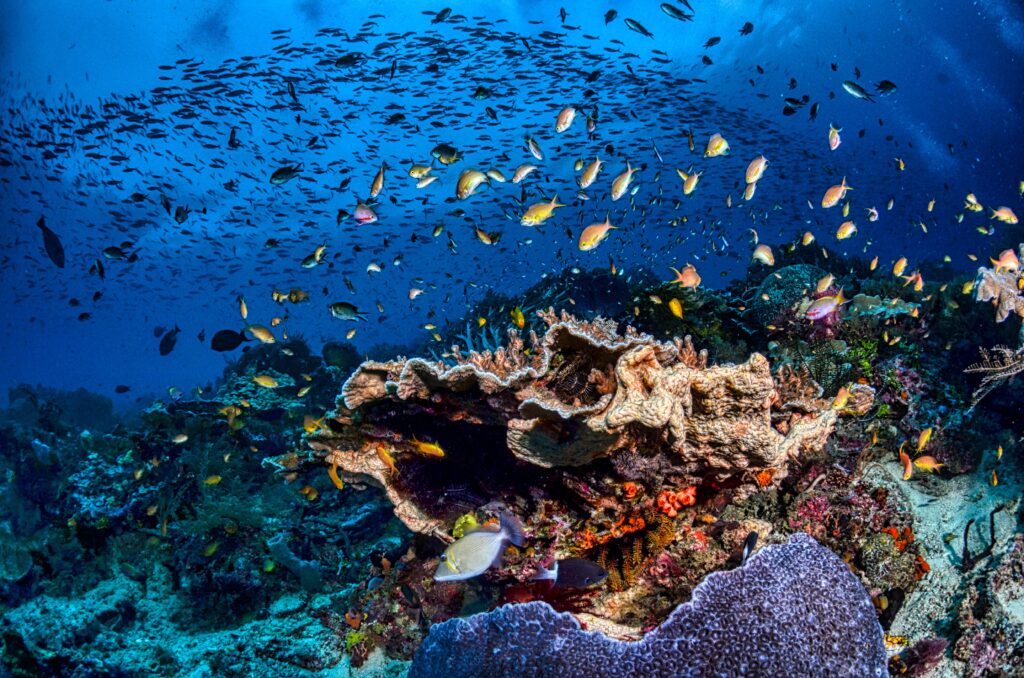
The coral itself is alive, but it also becomes the home for thousands of other species. Some fish spend their entire lives in one coral neighborhood. They know every nook, every cranny, every spot where the current brings the tastiest snacks. Others are seasonal visitors, drifting through like tourists who heard the coral city has excellent views and maybe a good place to grab plankton.
The relationships inside a coral city are intricate. Some fish clean parasites off coral. Some coral species glow at night, attracting plankton and giving the reef a nightlife scene that puts human cities to shame. Everything is connected. Everything depends on everything else. It’s a community built on cooperation, even if some residents occasionally steal food from their neighbors.
Coral Architecture and the Art of Survival
Coral architecture isn’t just pretty. It’s strategic. Coral cities are shaped by the ocean’s conditions. Light, temperature, waves, and currents all influence how coral grows. In shallow waters with lots of sunlight, coral spreads wide and flat. In deeper waters, coral reaches upward like it’s trying to grab the last bit of daylight. In areas with strong waves, coral builds thick, sturdy structures that can withstand the ocean’s version of a demolition derby.
This adaptability is part of what makes coral so extraordinary. It’s not just building a city. It’s building a city that can survive storms, predators, and the occasional curious sea turtle who bumps into things without meaning to. Coral architecture is a masterclass in resilience. Every shape, every ridge, every curve is a response to the environment.
And yet, coral is also delicate. It thrives only when the water is clean, warm but not too warm, and full of the nutrients it needs. When the ocean is healthy, coral cities flourish. When the ocean is stressed, coral cities begin to crumble.
Coral Cities Under Pressure
Coral cities face challenges that would make any urban planner sweat. Rising ocean temperatures cause coral bleaching, which is basically coral losing its color and its energy source. Pollution clouds the water, blocking sunlight. Overfishing disrupts the balance of species that keep coral ecosystems stable. Even sunscreen chemicals can harm coral, which feels deeply unfair because sunscreen is supposed to protect things, not hurt them.
When coral is stressed, it stops building. The city freezes in place. Residents leave. The architecture weakens. It’s like watching a vibrant neighborhood slowly empty out. The loss is quiet, but enormous.
Coral cities remind us how much is at stake. They are living proof that tiny builders can shape entire ecosystems. They show us what happens when the ocean thrives and what happens when it falters. They are both a celebration and a warning.
Coral Restoration and Hopeful Architects
The good news is that coral cities can be restored. Scientists and conservationists have become coral architects themselves. They grow coral fragments in nurseries, then transplant them onto damaged reefs. They develop heat-resistant coral strains. They protect fish populations that help coral stay healthy. They even create artificial reef structures that coral can colonize, like giving coral a starter home.
These efforts work best when the ocean is given space to heal. Coral is patient. It grows slowly, but it grows with determination. If conditions improve, coral cities can rise again. They can rebuild their neighborhoods, welcome back their residents, and return to their glowing, bustling selves.
There’s something hopeful about that. Coral doesn’t give up. It just needs a chance.
Blueprints for Balance
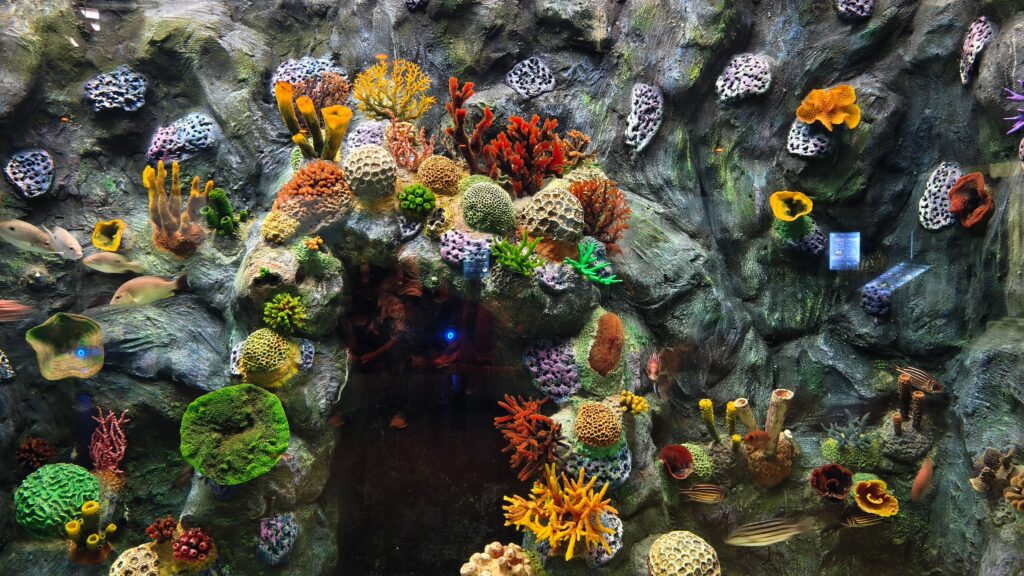
Coral cities teach us about balance. They show how life flourishes when every part of an ecosystem supports the others. They show how architecture can be both strong and flexible. They show how communities thrive when diversity is celebrated. They show how even the smallest creatures can create something monumental.
A coral city is a reminder that beauty and function can coexist. That cooperation creates strength. That resilience is built layer by tiny layer. That the ocean is full of wonders we haven’t even discovered yet.
And maybe most importantly, coral cities remind us that we are part of this story. Our choices ripple outward. When we protect coral, we protect fish, turtles, algae, and entire underwater worlds. We protect coastlines. We protect food sources. We protect the ocean’s ability to breathe and balance itself.
The Magic of Tiny Builders
There’s something magical about coral. It’s small, but it builds big. It’s quiet, but it shapes entire ecosystems. It’s delicate, but it creates structures that can last centuries. Coral cities are masterpieces crafted by creatures the size of a grain of rice. They are proof that you don’t need to be large to make a massive impact.
If you ever get the chance to snorkel above a coral reef, you’ll see the architecture firsthand. You’ll see coral towers rising from the seafloor. You’ll see coral arches and coral courtyards. You’ll see fish weaving through coral alleyways like they’re late for a meeting. You’ll see colors so bright they look unreal. You’ll see life in motion, life in harmony, life built on the tiniest foundations. In doing so, you’ll understand why coral cities matter. Why they deserve protection, admiration, and every ounce of effort we can give.
Living Legacies
Coral cities are living legacies. They are built by generations of polyps, each adding a layer to the story. They are shaped by the ocean’s rhythms. They are home to creatures who depend on them completely. They are ecosystems, sculptures, fortresses, and nurseries all at once.
They remind us that the ocean is not just water. It is architecture. It is community. It is history. It is future.
Coral cities are the ocean’s way of saying that life can be both fragile and powerful. That beauty can be functional. That cooperation creates strength. That even the smallest builders can leave behind something extraordinary.
And honestly, I think that’s a pretty great message for all of us.
Supporting Autumnelf on Ko‑Fi helps fuel new essays, book projects, ocean‑life explorations, theatrical deep dives, and the creative quests that make Phantom Orca Quest a vibrant, multimedia experience.
Get Me a Spark of Magic