Lore as a Living, Breathing Creature
Lore has a funny way of sneaking up on you. One day you’re jotting down a few notes about a kingdom’s founding because your players asked who built that weird tower. The next day you’re staring at a thirty page timeline, wondering how you accidentally created a civilization with more political drama than a prestige TV show. Lore grows. It mutates. It becomes a creature with its own heartbeat, its own moods, and occasionally its own desire to bite you when you try to retcon something.
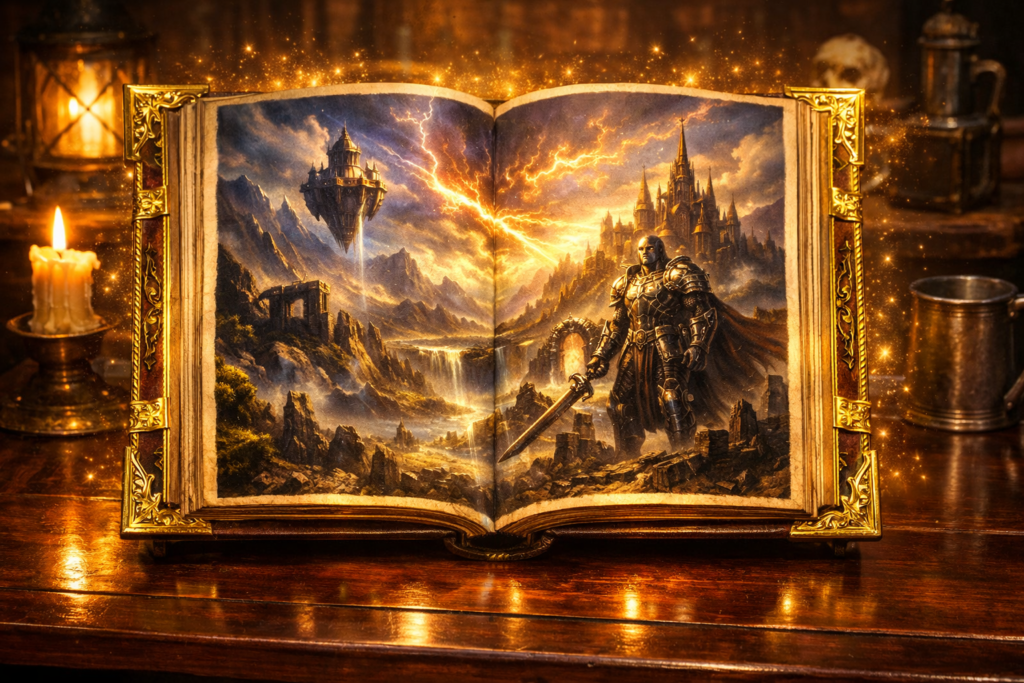
Players feel this heartbeat too. They latch onto details you barely remember writing, then treat those details like sacred scripture. They quote your throwaway lines with the solemnity of monks reciting ancient verses. They debate interpretations with the intensity of scholars who have spent their entire lives studying a single dusty manuscript. Lore becomes more than information. It becomes a shared belief system that everyone contributes to, protects, and occasionally argues about with the passion of people defending their favorite holiday traditions.
The Devotion of Memory
There’s something magical about watching players memorize lore that even you forgot existed. They’ll recall the exact phrasing of a prophecy you wrote at two in the morning while eating cold pizza. They’ll remember the name of a minor character who appeared once, said three lines, and then wandered off into the narrative sunset. They’ll treat these memories like treasured relics, pulling them out during discussions to prove a point or solve a mystery.
This devotion is not just enthusiasm. It’s a kind of reverence. Lore becomes a shared memory bank, a collective story that everyone feels responsible for preserving. When someone misremembers a detail, another player gently corrects them, like a friend reminding you how your favorite childhood story actually went. The lore becomes a communal history, something that feels lived in even though it’s entirely fictional.
A Quiet Cosmology
Writers and GMs often become the architects of entire cosmologies without meaning to. You start by answering simple questions. Why does magic work this way? Who created the first artifact? What happened to the old gods? Before long you’re shaping morality, history, and meaning for an entire world. You’re not just building a setting. You’re building a worldview.
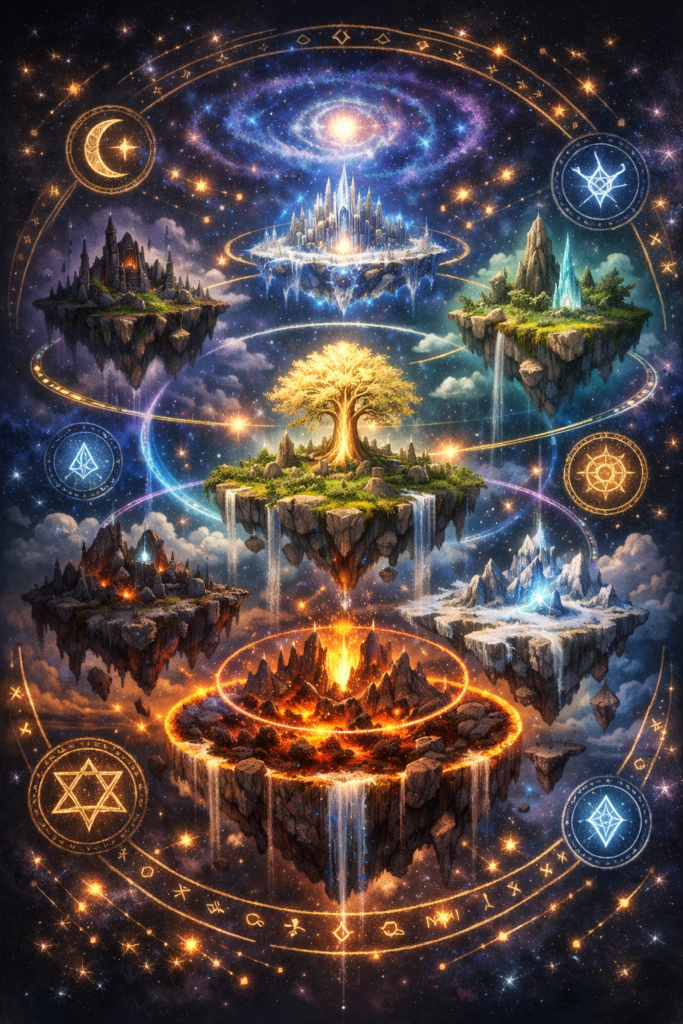
Players treat these cosmologies with surprising seriousness. They want to understand how the universe works. They want to know what the gods expect from mortals. They want to know why certain events matter. Lore becomes a framework for understanding the world, just like mythology or religion does in real life. It gives people a way to make sense of the story’s chaos. It gives them something to believe in, even if that belief is expressed through dice rolls and character sheets.
Lore and the Sacred Timeline
Timelines are where lore really starts to feel religious. Once you create a timeline, you’ve essentially written scripture. Players will memorize it. They will quote it. They will debate it. They will treat it as the ultimate authority on what is true. If you try to change it, they will react the same way people react when someone suggests rewriting a beloved myth. They’ll squint at you suspiciously and ask why the timeline suddenly shifted. They’ll wonder if you’re testing them. They’ll wonder if the world is collapsing. They’ll wonder if they should start a conspiracy board.
Timelines give lore a sense of inevitability. They make the world feel like it has a destiny. They make events feel purposeful. Even if the characters are just trying to survive the next encounter, the timeline reminds them that they are part of something bigger. Something ancient. Something that existed long before they arrived and will continue long after they’re gone.
The Debate of Interpretation
Every group eventually reaches the stage where lore becomes a debate. Someone interprets a prophecy one way. Someone else interprets it another way. Someone insists that the old king’s final words meant something symbolic. Someone else insists they were literal. Someone brings up a line from a forgotten codex that contradicts both interpretations. Suddenly you’re watching a group of friends reenact the academic debates of medieval theologians.
These debates are not just fun. They’re a sign that the lore has become meaningful. People only argue about things they care about. When players debate lore, they’re showing that the world matters to them. They’re showing that they want to understand it deeply. They’re showing that they feel invested in the truth of the story, even if that truth is fictional.
Lore and the Rituals of Play
Rituals emerge naturally in any long-running game. Someone always brings the same snack. Someone always sits in the same chair. Someone always rolls their dice in a specific pattern. These rituals feel silly at first, but over time they become part of the group’s identity. Lore works the same way. Certain phrases become catchphrases. Certain events become anniversaries. Certain characters become legends.

Players treat these rituals with affection. They repeat them because they feel comforting. They repeat them because they feel meaningful. Lore becomes woven into these rituals, turning the act of playing into something that feels almost ceremonial. You’re not just rolling dice. You’re participating in a tradition. You’re honoring the story. You’re keeping the lore alive.
The Weight of Canon
Canon is where things get serious. Once something becomes canon, it gains weight. It becomes official. It becomes part of the world’s foundation. Players treat canon like a sacred text. They want to protect it. They want to understand it. They want to make sure it stays consistent. If something contradicts canon, they react with the same confusion people feel when a beloved story suddenly changes its ending.
Canon gives lore authority. It tells players what is true. It tells them what matters. It tells them how the world works. But canon also creates responsibility. Writers and GMs must be careful with it. They must respect it. They must maintain it. They must treat it like the delicate ecosystem it is. Canon is powerful, but it is also fragile. One careless change can cause ripples that affect everything.
The Mythmaking of Players
Players don’t just consume lore. They create it. Every decision they make becomes part of the world’s history. Every victory becomes a legend. Every failure becomes a cautionary tale. Every character becomes a myth. Players contribute to the lore with the same enthusiasm that writers do. They shape the world through their actions, their choices, and their interpretations.
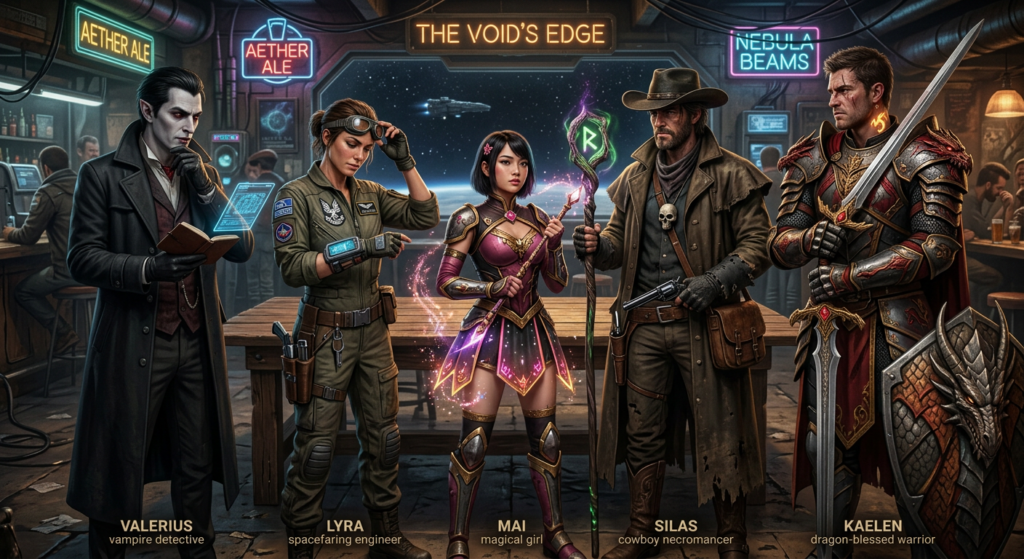
This collaborative mythmaking is what turns lore into something sacred. It’s not just the writer’s story. It’s everyone’s story. It’s a shared creation that grows with every session. It’s a tapestry woven by many hands. It’s a living mythology that evolves as the group evolves. Lore becomes a record of the group’s journey, a testament to their creativity, and a celebration of their imagination.
Lore’s Emotional Weight of Belief
Belief is a powerful thing. When players believe in the lore, they feel emotionally connected to the world. They care about its history. They care about its future. They care about its characters. Lore becomes a source of meaning. It becomes something that resonates with them. It becomes something that feels real, even though it isn’t.
This emotional weight is what makes lore feel religious. It gives people a sense of belonging. It gives them something to hold onto. It gives them something to invest in. Lore becomes a shared belief system that binds the group together. It becomes a source of joy, comfort, and excitement. It becomes a way for people to connect with each other through story.
The Sacred Duty of the Creator
Writers and GMs often feel a quiet responsibility toward their lore. They want to protect it. They want to nurture it. They want to make sure it stays coherent. They want to honor the trust their players place in them. Lore becomes a duty, not in a burdensome way, but in a meaningful way. You’re not just writing a story. You’re guiding a world.
This duty can feel sacred. You’re shaping the beliefs of your players. You’re giving them something to explore. You’re giving them something to care about. You’re giving them something to believe in. Lore becomes a gift, and you become its caretaker. You’re not just a storyteller. You’re a quiet architect of meaning.
The Shared Religion of Play
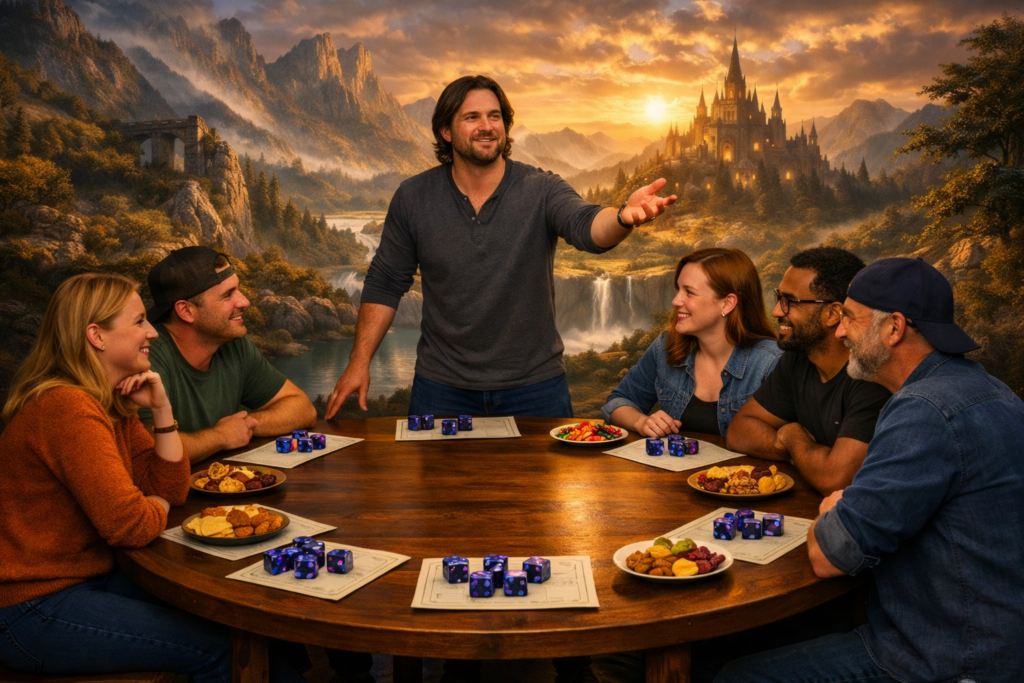
When all these elements come together, lore becomes something that behaves like religion. It has scripture. It has rituals. It has interpretations. It has belief. It has devotion. It has myth. It has meaning. Lore becomes a shared spiritual experience, not in a literal sense, but in an emotional one. It gives people a sense of wonder. It gives them a sense of connection. It gives them a sense of belonging.
This shared religion is one of the most beautiful parts of worldbuilding. It shows how powerful stories can be. It shows how deeply people can connect with fictional worlds. It shows how creativity can bring people together. Lore becomes more than backstory. It becomes a shared belief system that everyone contributes to, cherishes, and celebrates.
Lore as the Heart of the World
Lore is the heartbeat of worldbuilding. It gives the world life. It gives it depth. It gives it meaning. It transforms a simple setting into a living universe. It transforms a group of players into a community of believers. Lore becomes the heart of the story, pumping energy into every session, every character, and every moment.
When lore becomes religion, it’s not because people are worshipping the world. It’s because they love it. They care about it. They want to understand it. They want to be part of it. Lore becomes a shared journey, a shared belief, and a shared joy. It becomes the thing that keeps the world alive long after the final session ends.
If you ever wonder whether your lore matters, just watch your players. Watch how they talk about the world. Watch how they remember its history. Watch how they debate its mysteries. Watch how they celebrate its triumphs. Lore becomes religion because people believe in it. And that belief is one of the most magical parts of storytelling.
Supporting Autumnelf on Ko‑Fi helps fuel new essays, book projects, ocean‑life explorations, theatrical deep dives, and the creative quests that make Phantom Orca Quest a vibrant, multimedia experience.
Get Me a Spark of Magic