A Quiet Drift of Marine Snow
Marine snow sounds like something a poet would invent after staring at the sea too long, but it is very real and very busy. Picture the ocean’s version of a gentle snowfall, except instead of frozen water drifting down, it is a slow, shimmering rain of tiny organic bits. These flecks are made of plankton remains, mucus (yes, mucus), fecal pellets, and other microscopic treasures that would make any deep‑sea creature perk up like someone just rang the dinner bell. Marine snow is one of the ocean’s most important delivery systems, quietly carrying nutrients from the sunlit surface to the creatures living in the deep dark below.
How Marine Snow Travels Through the Blue
The journey of marine snow begins near the surface, where sunlight fuels the bustling world of phytoplankton. These little photosynthetic dynamos are the ocean’s gardeners, turning sunlight into energy and forming the base of the marine food web. When they die or get eaten, their leftovers clump together into soft, drifting particles. Marine snow begins its slow descent, falling through the water column like confetti from a party plankton forgot to clean up.
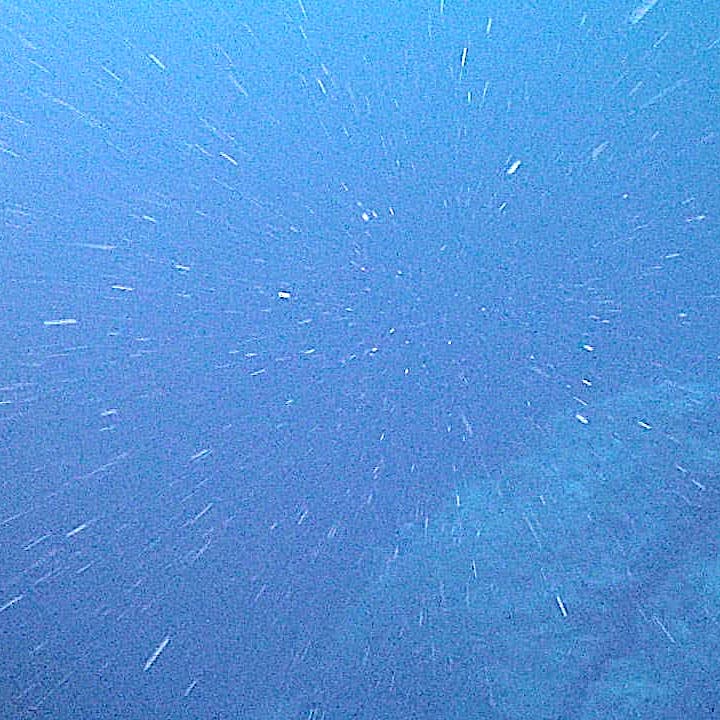
The ocean is not a still place, though. Currents swirl, eddies twist, and marine snow gets nudged, bumped, and swirled around as it sinks. Some particles dissolve. Some get gobbled up by hungry midwater creatures. Some merge with other particles and grow larger, which helps them sink faster. It is a long commute, but marine snow is patient. It knows where it is going.
Deep‑Sea Creatures and Their Marine Snow Buffet
Down in the deep sea, where sunlight never reaches and temperatures hover near freezing, life depends on whatever drifts down from above. Marine snow is the main course, dessert, and sometimes the entire grocery store. Creatures like sea cucumbers, brittle stars, and certain species of fish sift through the sediment, scooping up the nutrient‑rich particles that have finally reached the seafloor.
Even animals that do not live directly on the bottom benefit from marine snow. Many deep‑sea organisms hover in the water column, waiting for the slow rain to pass by. They grab what they can, nibbling on the organic material like tiny vacuum cleaners with fins. Marine snow is not glamorous, but it is dependable. It is the ocean’s version of a quiet friend who always shows up with snacks.
The Nutrient Cycle Powered by Marine Snow
Marine snow is more than a food source. It is a crucial part of the ocean’s nutrient cycle. When organic matter sinks, it carries carbon with it. This process helps regulate the planet’s climate by moving carbon from the surface to the deep ocean, where it can remain for centuries. Marine snow is one of the ocean’s natural climate tools, quietly working behind the scenes.
As marine snow settles on the seafloor, bacteria and other microorganisms break it down. This decomposition releases nutrients back into the water, feeding deep‑sea ecosystems and supporting life in places that would otherwise be barren. The ocean is a master recycler, and marine snow is one of its most efficient delivery trucks.
Marine Snow and the Twilight Zone
The ocean’s twilight zone, also known as the mesopelagic zone, is a mysterious region where light fades and shadows stretch. Marine snow drifts through this zone like a soft snowfall, feeding creatures that live in the dim blue. Many animals here migrate vertically each day, rising toward the surface at night to feed and sinking back down during the day. They encounter marine snow constantly, snacking on it as they travel.
Scientists are still learning how marine snow shapes life in the twilight zone. It is a place full of strange creatures, from lanternfish with glowing bellies to gelatinous animals that look like floating ribbons. Marine snow is one of the few reliable food sources in this region, and without it, the twilight zone would be a much quieter place.
The Beauty of Marine Snow Up Close
If you have ever seen marine snow captured on camera, you know it looks like a gentle blizzard drifting through blue water. The particles sparkle as they catch the light, creating a soft, dreamy effect. It is easy to forget that these delicate flakes are made of things like plankton poop and mucus. Nature has a way of making even the weirdest things beautiful.
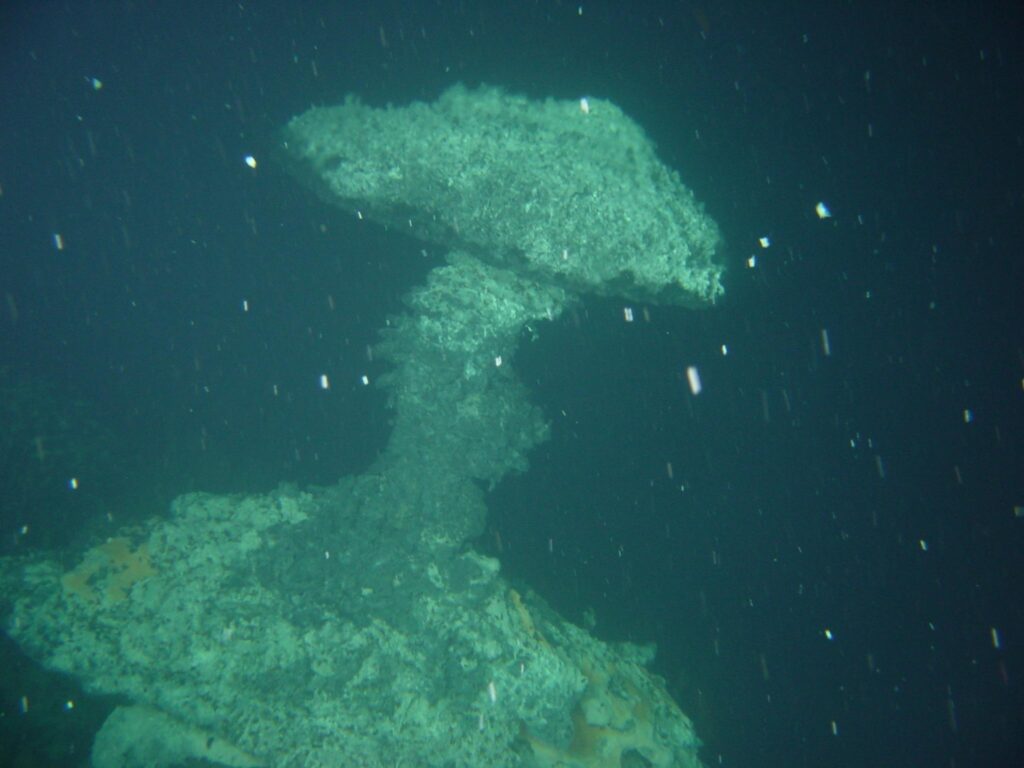
Marine snow is not uniform. Some particles are tiny specks. Others are larger clumps that look like fluffy underwater dust bunnies. The variety is part of its charm. Each piece carries a story of life at the surface, drifting down to nourish life below.
The Ocean’s Hidden Connections
One of the most fascinating things about marine snow is how it connects different parts of the ocean. The surface and the deep sea might seem like separate worlds, but marine snow ties them together. It is a constant reminder that what happens in one part of the ocean affects the rest.
When surface waters are healthy and full of life, marine snow is abundant. When pollution or warming disrupts plankton communities, marine snow decreases. Deep‑sea creatures feel the effects even though they live far from the surface. Marine snow is a messenger, carrying news from above.
Human Impacts on Marine Snow
Humans influence marine snow more than we might think. Pollution, climate change, and overfishing all affect the organisms that create marine snow. When plankton populations shift, the composition and quantity of marine snow change too. This can ripple through the entire ocean ecosystem.
Plastic pollution is especially troublesome. Tiny plastic particles can become part of marine snow, sinking into the deep sea and introducing contaminants to creatures that rely on the organic material. Marine snow is supposed to be nutritious, not sprinkled with microplastics like some kind of unfortunate topping.
Studying It’s Effects
Scientists study marine snow using special cameras, sediment traps, and even submarines. It is not easy to observe something that drifts slowly through vast stretches of water, but researchers are determined. Marine snow holds clues about climate, ocean health, and deep‑sea ecosystems.
Some studies focus on how fast marine snow sinks. Others examine what it is made of. Some researchers look at how marine snow changes throughout the year. It is a surprisingly complex subject, and every discovery reveals more about how the ocean works.
Marine Snow and the Future of Ocean Research
As technology improves, scientists are finding new ways to study marine snow. High‑resolution cameras can capture detailed images of particles drifting through the water. Autonomous vehicles can follow marine snow for long distances. Even satellites can help track conditions that influence marine snow production.
Understanding marine snow is essential for predicting how the ocean will respond to climate change. It is part of the ocean’s carbon cycle, and changes to marine snow could affect how much carbon the ocean absorbs. Marine snow might be quiet, but it plays a big role in the planet’s future.
Why This Phenomenon Deserves More Love
Marine snow does not get the same attention as coral reefs or whales, but it deserves a little spotlight. It is one of the ocean’s most reliable gifts, feeding creatures that live in places humans rarely see. It keeps nutrient cycles moving. It helps regulate the climate. It sparkles beautifully in underwater footage. What more could you want?
There is something comforting about marine snow. It is steady. It is gentle. It is always falling, always feeding, always connecting the ocean’s layers. It reminds us that even the smallest things can have enormous impact.
A Final Drift of Marine Snow
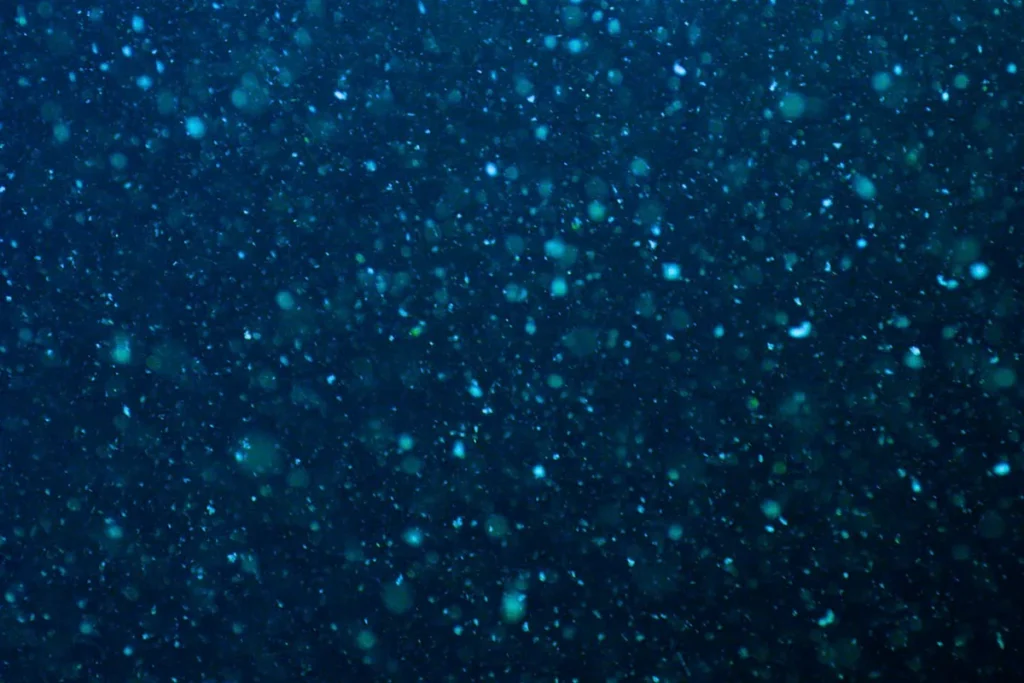
Marine snow is the ocean’s eternal rain, drifting softly through the water column and nourishing life in the deep. It is a quiet force, but a powerful one. Every flake carries nutrients, stories, and connections. The deep sea depends on it. The planet depends on it. And even though it is made of some very odd ingredients, marine snow remains one of the ocean’s most beautiful phenomena.
If you ever find yourself watching footage of the deep sea and notice those tiny drifting specks, take a moment to appreciate them. Marine snow is working hard, even if it looks like it is just floating around without a care. It is one of the ocean’s quiet heroes, and it deserves a little applause.
Supporting Autumnelf on Ko‑Fi helps fuel new essays, book projects, ocean‑life explorations, theatrical deep dives, and the creative quests that make Phantom Orca Quest a vibrant, multimedia experience.
Get Me a Spark of Magic