There is something magical about worldbuilding for games. Not the quiet, solitary magic of writing a novel, but the loud, chaotic, player‑driven magic where your carefully crafted lore gets lovingly embraced, wildly misinterpreted, or occasionally set on fire. Building a Tolkienesque realm for an MMORPG or TTRPG means creating a world that feels ancient, layered, and alive long before your players ever roll initiative or log in. Tolkien’s Arda or Middle Earth wasn’t just a setting. It had ecosystems of culture, myth, and geography that shaped every story told within them. That is exactly the kind of depth a game world needs to thrive.
Why Worldbuilding Matters So Much in Games
Game worlds are not passive. They are playgrounds, battlegrounds, and storytelling engines. Players explore them, test them, break them, and sometimes adopt them as second homes. Strong worldbuilding gives them something worth investing in. It gives them a sense of place, history, and belonging. It also gives you, the creator, a sturdy foundation to build quests, factions, conflicts, and mysteries.
Tolkien’s approach works beautifully for games because he built worlds that felt older than their stories. When your realm feels ancient, players treat it with curiosity and respect. They want to learn its secrets. They want to understand its cultures. They want to know why that one mountain is shaped like a sleeping dragon and whether that is just a coincidence or a very bad omen.
Geography as the Backbone of Worldbuilding
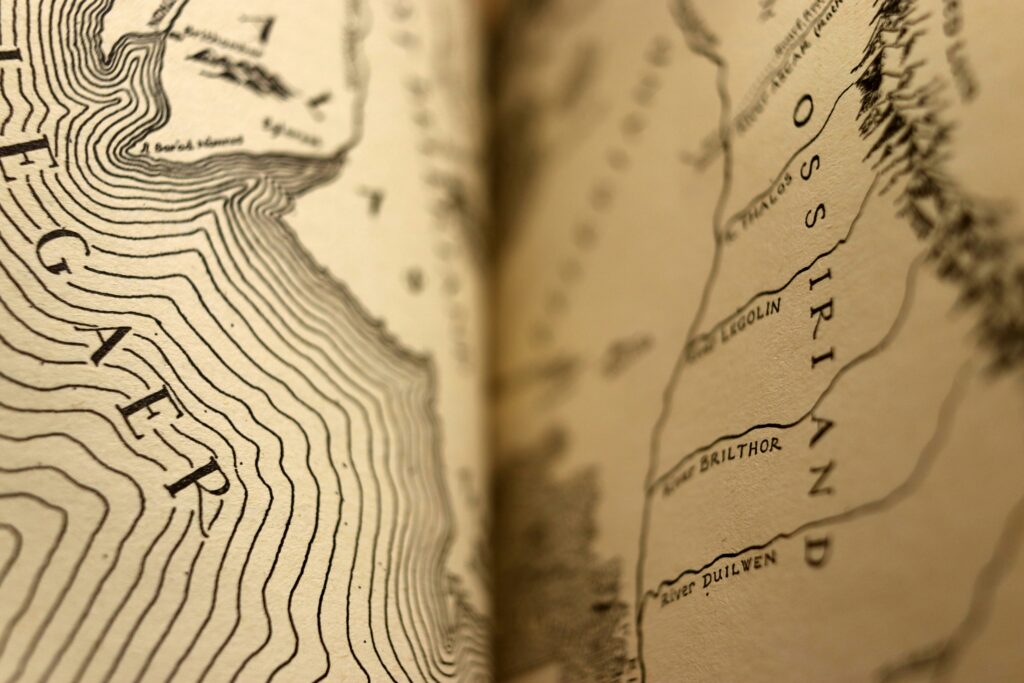
Tolkien started with maps, and honestly, so should you. In a game, geography is not just scenery. It is gameplay. It determines travel routes, resource distribution, dungeon placement, faction territories, and the overall rhythm of exploration. A good map makes your world feel coherent. A great map makes your world feel inevitable.
When you sketch your realm, let the land behave like land. Rivers should flow downhill. Mountains should form ranges. Forests should cluster around water sources. Players notice when geography makes sense, even if they never say it out loud. It helps them navigate intuitively, which is a gift in both TTRPGs and MMORPGs.
Once your geography exists, it becomes the silent architect of your cultures. A desert kingdom will develop differently from a coastal trading hub. A mountain fortress will have different priorities than a swamp village. Geography shapes identity, and identity shapes gameplay.
Cultures That Feel Lived In
Tolkien’s cultures were not just aesthetic choices. They were reflections of environment, history, and worldview. For games, this is even more important. Players interact with cultures constantly. They join factions, visit cities, trade with merchants, and learn local customs. If your cultures feel shallow, players will treat them like cardboard. If your cultures feel deep, players will treat them like home.
Think about how your cultures dress, speak, celebrate, and mourn. Think about their architecture, their food, their humor, and their grudges. Think about what they value and what they fear. These details make NPCs feel real. They make quests feel meaningful. They make exploration feel rewarding.
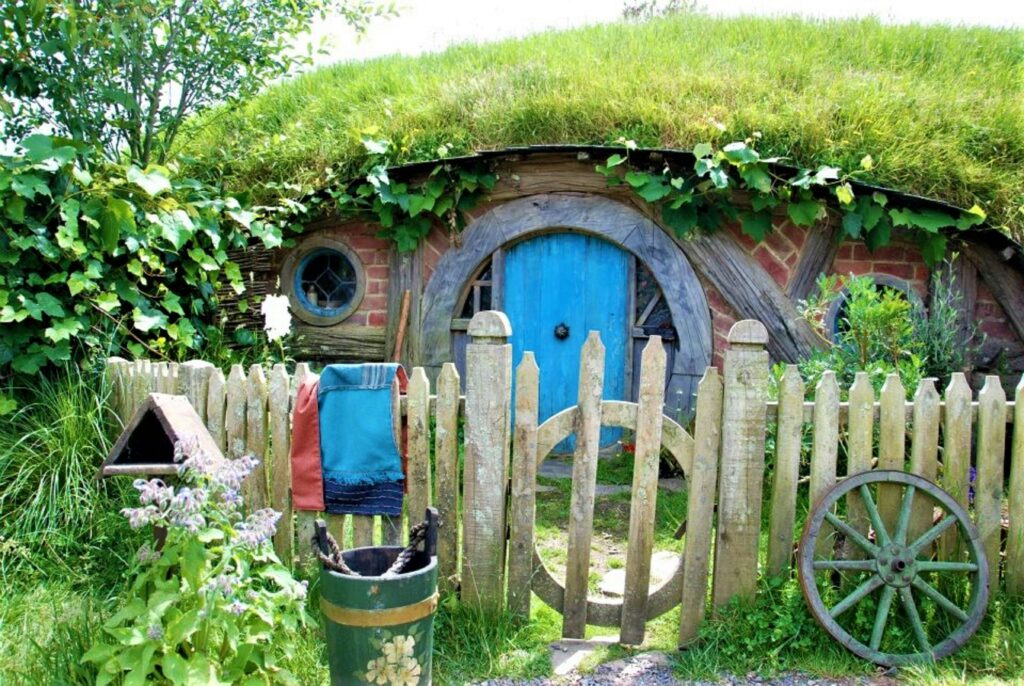
And please let your cultures have contradictions. A proud warrior nation might secretly love poetry. A peaceful monastery might have a very competitive cheese‑making tradition. Imperfections make cultures memorable.
Worldbuilding Through Myth and Legend
Myth is one of the most powerful tools in game worldbuilding. Players adore lore, especially when it feels ancient and mysterious. Tolkien filled his world with songs, legends, and half‑remembered tales that hinted at deeper truths. You can do the same, and you do not need to write a full Silmarillion to pull it off.
Create myths that explain natural features, historical events, or magical phenomena. Let different cultures tell different versions of the same story. Let myths contradict each other. Let players wonder which version is true. That curiosity becomes a gameplay loop. They explore ruins, read tomes, talk to NPCs, and piece together the past.
Myth also gives you a way to foreshadow future content. A legend about a sleeping titan might become a raid boss next expansion. A prophecy about a lost city might become a new zone. Myth is a flexible tool, and players love connecting dots.
History That Feels Ancient and Messy
Game worlds need history. Not a neat timeline, but a messy, layered, contradictory history that feels like it was written by actual people with biases and bad handwriting. Tolkien’s histories were sprawling and imperfect, which made them feel real. Your game world should do the same.
Think about major eras. Think about wars, migrations, inventions, disasters, and golden ages. Think about how those events shaped borders, alliances, and grudges. You do not need to write every detail. You just need enough to give your world weight.
One of the best tricks is referencing historical events casually. Let NPCs mention old battles, ancient kings, or forgotten cities as if everyone already knows them. Players will lean in. They will ask questions. They will explore ruins. They will become historians whether they meant to or not.
Languages and Naming Conventions in Worldbuilding
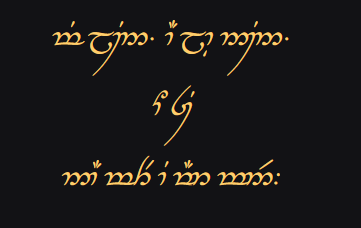
You do not need to invent full languages like Tolkien, unless you really want to and have a fondness for grammar puzzles. What you do need is consistent naming conventions. Names are tiny worldbuilding anchors. They tell players where they are, who they are dealing with, and what cultural influences are at play.
Decide how different cultures name their cities, people, weapons, and magical artifacts. Do they use compound words? Do they favor certain sounds? Do their names have meanings? Even simple patterns make your world feel cohesive.
If you want to sprinkle in a few phrases or greetings, go for it. Players love learning small bits of fictional language. It makes them feel like insiders.
Religion and Spirituality in Game Worldbuilding
Religion is a powerful worldbuilding tool because it influences architecture, festivals, politics, and personal behavior. Tolkien’s divine framework was subtle but present, and it shaped how cultures understood the world.
In games, religion can drive quests, conflicts, and exploration. A holy pilgrimage route might become a major travel path. A forbidden temple might become a dungeon. A religious schism might become a faction war.
Think about what your cultures worship and why. Think about rituals, sacred sites, and theological disagreements. Think about how religion evolves over time. Players love uncovering religious lore, especially when it ties into gameplay.
Politics and Power Structures That Affect Gameplay
Tolkien’s political systems were shaped by centuries of conflict and cultural identity. In games, politics can be one of your richest sources of quests and drama. Factions, alliances, rivalries, and power struggles give players something to engage with beyond combat.
Think about who holds power and how they maintain it. Think about succession, corruption, diplomacy, and rebellion. Think about how different regions govern themselves. Politics should feel dynamic. Leaders rise and fall. Policies change. Tensions simmer.
Players love choosing sides. They love influencing outcomes. They love feeling like their actions matter. Strong political worldbuilding makes that possible.
Magic That Feels Ancient and Integrated
Tolkien’s magic was subtle, woven into the world rather than thrown around like fireworks. In games, magic can be more visible, but it should still feel rooted in history and myth. Magic should have rules, consequences, and cultural interpretations.
Think about where magic comes from. Think about how different cultures use it or fear it. Think about magical institutions, forbidden spells, enchanted locations, and legendary artifacts. Magic should shape history and gameplay.
Players love discovering magical secrets. They love learning how magic fits into the world. They love feeling like they are tapping into something ancient.
Creating a Realm That Feels Older Than Your Campaign or Patch Notes
The ultimate goal of Tolkienesque worldbuilding in games is to create a realm that feels older than the story you are telling. You want players to feel like they are stepping into a world with its own heartbeat. You want them to sense that countless stories happened before theirs and countless more will happen after.
To achieve this, let your world be imperfect. Let it have mysteries, contradictions, and forgotten corners. Let cultures misremember their past. Let geography hide secrets. Let myths blur truth. Let history be messy.
Your realm should feel like it has been shaped by countless hands. You are not just the creator. You are the latest historian.
Bringing Your Tolkienesque Realm to Life Through Gameplay
Once your worldbuilding has depth, your gameplay becomes richer. Quests feel meaningful because they emerge from history. NPCs feel real because they belong to cultures with identity. Exploration feels rewarding because the world is full of secrets.
Let players interact with the world. Let them learn local customs, join factions, uncover ruins, and influence politics. Let them feel like their actions matter. The more they engage with the realm, the more alive it becomes.
And remember to have fun. Worldbuilding for games is joyful chaos. Players will surprise you. They will latch onto tiny details you never expected. They will create memes about your ancient prophecies. They will adopt NPCs you wrote in five minutes. Embrace it. Let your world evolve with them.
A Final Thought on Worldbuilding for Games
Crafting a Tolkienesque realm for an MMORPG or TTRPG is not about copying Tolkien. It is about embracing the spirit of his worldbuilding. It is about creating a place that feels ancient, layered, and alive. It is about giving players a world worth exploring, questioning, and loving.
Your realm does not need to be perfect. It just needs to feel real. With thoughtful geography, meaningful cultures, rich myth, messy history, flavorful language, dynamic politics, and mysterious magic, your worldbuilding can achieve that sense of authenticity.
Supporting Autumnelf on Ko‑Fi helps fuel new essays, book projects, ocean‑life explorations, theatrical deep dives, and the creative quests that make Phantom Orca Quest a vibrant, multimedia experience.
Get Me a Spark of Magic