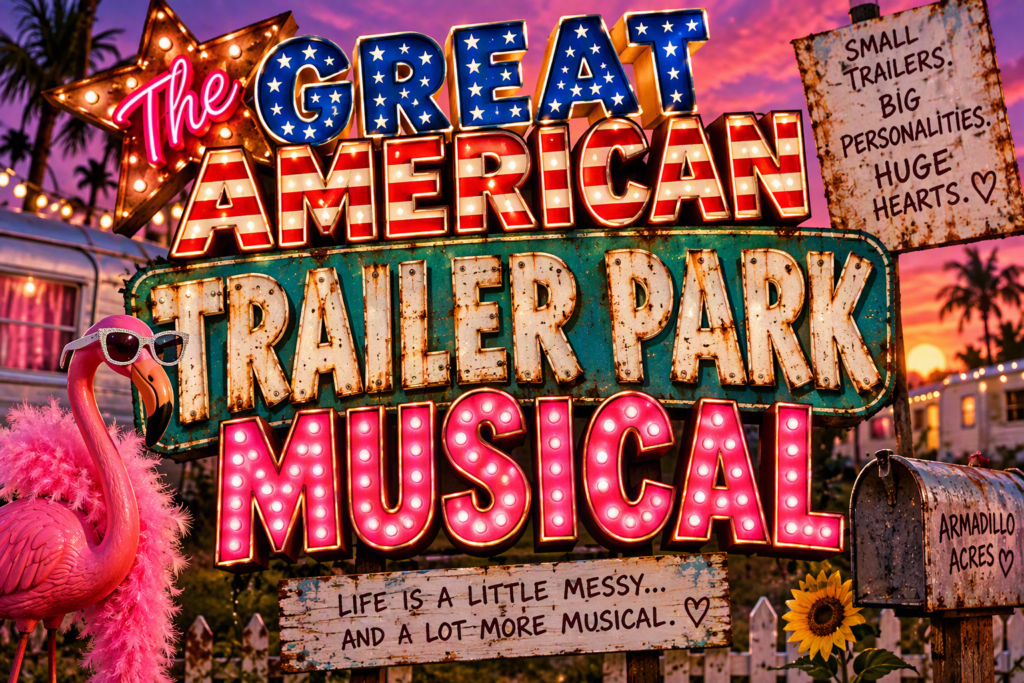
The Great American Trailer Park Musical
A Love Letter to Chaos, Community, and the Trailer Park Musical
There are some musicals that leave you humming a tune on the way home. There are others that leave you reflecting on life, love, and the human condition. Then there are the glorious oddballs that somehow do both while making you laugh so hard you nearly snort your drink.
The Great American Trailer Park Musical belongs firmly in that third category.
I’ll be honest: when I first sat down to watch The Great American Trailer Park Musical, I expected a musical built almost entirely around “trailer park trash” stereotypes. I figured I’d get a couple of cheap laughs, a few over-the-top characters, and not much else. Instead, I found a surprisingly warm story about grief, friendship, community, and second chances. Granted, it also featured choreography involving plungers, which is not something I can say about most musicals I’ve seen. Somehow, though, both of those statements are equally true. What starts as a broad comedy about the residents of a rundown Florida trailer park quickly reveals itself to be something far more heartfelt, finding unexpected depth beneath the gossip, romantic mishaps, and wonderfully chaotic neighborhood drama.
At first glance, a trailer park may not seem like the setting for a heartfelt, hilarious stage production. Broadway often trains us to expect grand ballrooms, revolutionary battlefields, enchanted forests, or glamorous city skylines. Yet this delightfully scrappy show takes a very different route. It invites us into a small Florida trailer park packed with big personalities, complicated relationships, questionable decisions, and surprisingly relatable struggles.
The result is a musical comedy that has earned a passionate fanbase over the years. Beneath the jokes, colorful characters, and wonderfully absurd situations lies a story about finding connection, embracing imperfections, and discovering that everyone’s life is a little messier than they want to admit.
Today, let’s take a fun dive into The Great American Trailer Park Musical, exploring its story, characters, themes, and why this lovable underdog of musical theater continues to resonate with audiences years after its debut.
What Happens in The Great American Trailer Park Musical?
At the heart of The Great American Trailer Park Musical is a story about marriage, temptation, friendship, and the surprising ways people help each other survive life’s chaos.
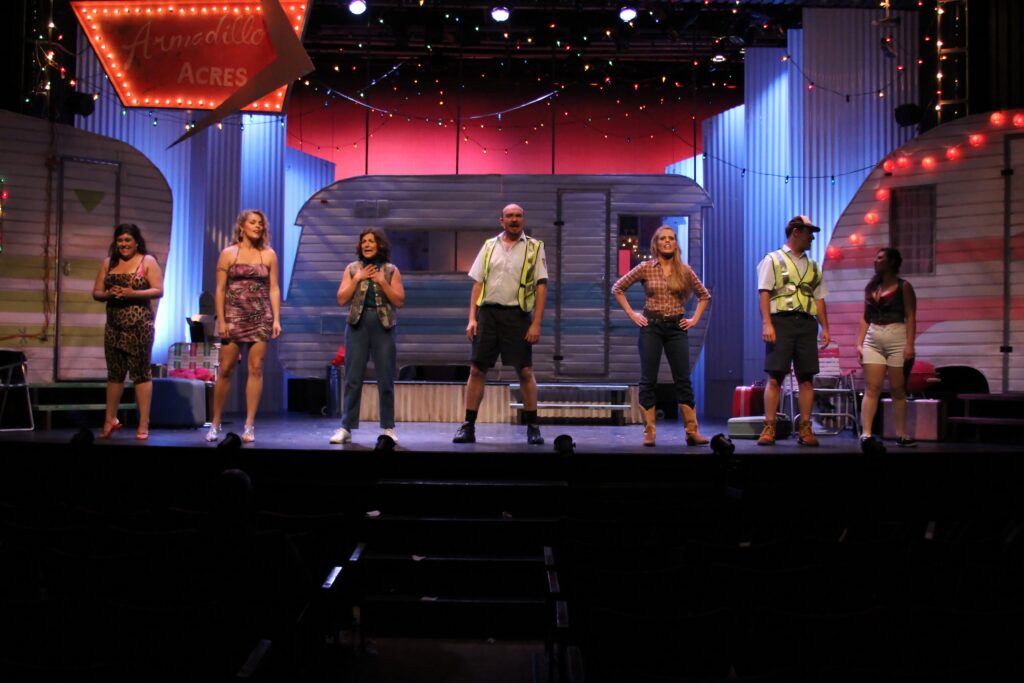
The setting is Armadillo Acres, a rundown but lively trailer park in Florida. This is not a place where secrets stay hidden for long. Everybody knows everybody else’s business, often before the people involved know it themselves.
The story centers on Norbert and Jeannie Garstecki, a married couple whose relationship has become strained after a tragic loss. Jeannie has not left her trailer in years, struggling with grief and anxiety while retreating from the outside world. Norbert, increasingly frustrated and lonely, finds himself vulnerable to distraction.
That distraction arrives in the form of Pippi, an exotic dancer who moves into the trailer park after fleeing an abusive relationship. Pippi quickly catches Norbert’s attention, creating complications that ripple through the entire community.
Meanwhile, a trio of trailer park residents serves as a sort of comedic Greek chorus. Betty, Linoleum, and Pickles comment on the action, share neighborhood gossip, and provide some of the musical’s funniest moments. Their observations help guide the audience through the twists and turns of the story while adding plenty of sharp humor.
As misunderstandings grow and relationships become tangled, the residents of Armadillo Acres are forced to confront their fears, regrets, and hopes. What follows is a blend of outrageous comedy and genuine emotional growth.
Without giving away every detail, let’s just say that things become delightfully ridiculous before they become surprisingly touching.
That balance is one reason the trailer park musical has remained so beloved. It never takes itself too seriously, but it also never forgets that real people live underneath the jokes.
Meeting the Residents of Armadillo Acres
Every memorable musical needs unforgettable characters, and The Great American Trailer Park Musical delivers plenty of them.
What makes these characters so engaging is that they often begin as stereotypes before revealing unexpected layers beneath the surface.
Jeannie Garstecki: Learning to Step Outside
Jeannie is the emotional center of the story.
Following a heartbreaking tragedy, she has essentially withdrawn from life. She rarely leaves her trailer and struggles with severe anxiety. On paper, that might sound deeply serious, and it is. Yet the musical manages to portray her struggles with both sensitivity and humor.
Many audience members connect with Jeannie because she represents something incredibly human. Most of us have experienced moments when fear felt safer than change. We have all faced situations where staying inside our comfort zone seemed easier than risking disappointment.
Watching Jeannie’s journey unfold becomes one of the most rewarding aspects of the show.
Norbert Garstecki: Flawed but Familiar
Norbert is not always easy to love.
He makes mistakes. Big ones.
Yet he is also portrayed as a person wrestling with frustration, loneliness, and unmet emotional needs. Rather than presenting him as a simple villain, the musical explores how unresolved pain can push people toward poor decisions.
That complexity helps the story avoid becoming cartoonish. Even when audiences groan at Norbert’s choices, many can understand the emotions driving them.
Pippi: More Than Meets the Eye
Pippi initially appears to fill the role of the glamorous newcomer who shakes everything up.
However, she quickly reveals herself to be far more than a plot device.
She has her own fears, dreams, and vulnerabilities. Despite her confidence and charisma, she is searching for safety and stability after escaping a dangerous situation.
One of the strengths of the trailer park musical is its willingness to humanize every major character, even those who could easily have been reduced to clichés.
Betty, Linoleum, and Pickles: The Ultimate Neighborhood Group Chat
If social media existed entirely as three human beings gathered outside discussing local drama, it would probably look a lot like Betty, Linoleum, and Pickles.
These women provide much of the show’s comedic energy.
They watch everything. They know everything. And they have opinions about everything.
Their commentary often serves as a hilarious running narration of the events taking place around them. Yet they are not merely comic relief. They also represent friendship, resilience, and the power of community.
Let’s be honest. Every neighborhood has at least one Betty, one Linoleum, and one Pickles.
Some neighborhoods have all three living on the same block.
Why the Humor Works So Well
Comedy is difficult. Comedy that remains funny years later is even harder.
One reason The Great American Trailer Park Musical succeeds is that its humor comes from character rather than cruelty.
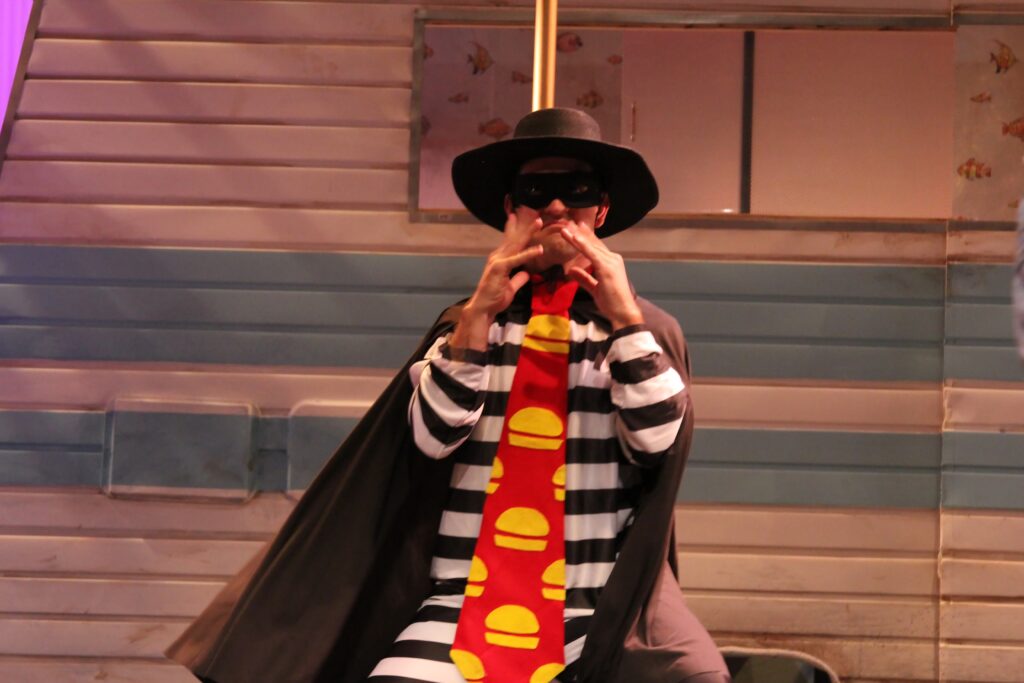
The jokes are sharp and occasionally outrageous, but the show generally laughs with its characters rather than at them. Even when the residents make poor decisions, the musical treats them as fully realized people deserving of empathy.
The comedy also thrives on recognizable situations: Neighborly gossip. Relationship misunderstandings. Questionable life choices. Awkward conversations. Tiny communities where everyone knows everyone’s business.
These experiences may be exaggerated for theatrical effect, but they feel familiar enough to create genuine connection.
There’s something comforting about watching fictional people make bigger messes than the ones you’ve made recently.
Suddenly forgetting your grocery list doesn’t seem nearly as embarrassing when somebody else is accidentally creating an entire trailer park scandal.
Looking Beyond the Laughs
A casual observer might assume that The Great American Trailer Park Musical is simply a goofy comedy. That assumption would miss much of what makes it special.
Like many effective comedies, the show uses humor as a doorway into deeper conversations. Beneath the laughter are themes of grief, healing, forgiveness, loneliness, and personal growth.
The residents of Armadillo Acres are all carrying emotional baggage. Sometimes they hide it behind jokes. Sometimes they hide it behind anger. Sometimes they hide it behind dramatic fashion choices that could probably be seen from space. But they all carry it.
The musical recognizes that people rarely fit into neat boxes. Good people make mistakes. Confident people experience fear. Strong people need help.
That perspective gives the story surprising emotional weight.
Themes: What Is The Great American Trailer Park Musical Really About?
When discussing the trailer park musical, it becomes clear that several important themes drive the story forward.
Community Matters
One of the strongest themes throughout the show is community.
The residents of Armadillo Acres may annoy each other, gossip about each other, and occasionally meddle far too much in each other’s lives. Yet they also show up when it matters. That sense of belonging forms the emotional backbone of the story.
In an increasingly isolated world, the idea of having people who know your name, notice your struggles, and genuinely care about your wellbeing feels more meaningful than ever.
Community does not require perfection. It requires presence.
Healing Takes Time
Jeannie’s journey highlights another powerful truth.
Healing is rarely quick. Movies often portray personal growth as a single dramatic breakthrough. Real life tends to be much messier.
People take steps forward. Then they stumble backward. Then they move forward again. The musical embraces that reality. Emotional recovery is presented as a process rather than a magical transformation. That honesty helps the story resonate with audiences who have faced their own challenges.
Everyone Deserves Grace
One of the most quietly important messages in The Great American Trailer Park Musical is that people are more than their worst moments.
Nearly every major character makes mistakes. Some mistakes are funny. Some are painful. Others are frustrating. Yet the story consistently encourages understanding alongside accountability.
That balance feels refreshing in a culture that often demands flawless behavior while forgetting that growth usually emerges from imperfection.
The Music Behind the Madness That Is The Great American Trailer Park Musical
A musical lives or dies by its score, and this show embraces its unique identity wholeheartedly.
The songs blend humor, heart, and regional flavor into a soundtrack that feels perfectly suited to its setting. Many numbers are intentionally over-the-top, leaning into the absurdity of the situations. At the same time, several songs reveal unexpectedly vulnerable emotions.
This combination helps maintain the show’s distinctive tone. One moment audiences are laughing uncontrollably. The next moment they are genuinely invested in a character’s emotional breakthrough. That emotional flexibility is harder to pull off than it looks.
The score consistently finds ways to support both the comedy and the humanity of the story.
Breaking Stereotypes Through Storytelling
One of the most interesting aspects of the trailer park musical is how it challenges assumptions.
Trailer parks have often been portrayed in popular culture through narrow stereotypes. Too frequently, residents are reduced to punchlines rather than presented as complete individuals.
This musical starts by playing with familiar stereotypes before gradually dismantling them. Characters who initially appear one-dimensional reveal hidden depth. People judged for their circumstances demonstrate resilience and compassion. The community itself becomes more complex and nuanced as the story unfolds.
By the end, audiences are not simply laughing at funny situations. They are rooting for people they have come to understand. That shift represents some of the best storytelling musical theater can offer.
Why Audiences Keep Falling in Love With This Show
Not every musical achieves household-name status. Yet popularity and cultural impact are not always measured by Broadway longevity alone.
Over the years, The Great American Trailer Park Musical has become a favorite among community theaters, regional productions, and fans seeking something a little different.
Part of that appeal comes from accessibility. The story feels approachable. The humor feels relatable. Characters feel recognizable. Many audience members see pieces of themselves reflected in these residents, even if they have never set foot in a Florida trailer park.
The show’s blend of comedy and sincerity creates an experience that feels welcoming rather than intimidating.
Sometimes theater lovers want epic historical dramas. Sometimes they want revolutionary spectacles. And sometimes they want to spend an evening with quirky neighbors who somehow understand life surprisingly well.
How The Great American Trailer Park Musical Is Still Relevant Today
This is where The Great American Trailer Park Musical truly shines.
Despite being rooted in a specific setting and style, many of its themes feel remarkably current. Modern audiences continue to grapple with loneliness and social disconnection. Technology has made communication easier than ever, yet meaningful relationships can still feel frustratingly out of reach. The residents of Armadillo Acres remind us of the value of genuine human connection.
The show also speaks to conversations about mental health. Jeannie’s struggles with anxiety, grief, and isolation remain deeply relevant in a world where more people are openly discussing emotional wellbeing.
Her story encourages compassion rather than judgment.
Economic uncertainty is another area where the musical remains surprisingly timely. The characters are ordinary people navigating everyday challenges rather than glamorous celebrities or powerful leaders. Their concerns feel grounded in reality.
Most importantly, the musical embraces empathy. We live in an era where disagreements can quickly turn into divisions. The show suggests that understanding each other’s struggles may matter more than rushing to judgment.
That message feels just as valuable today as it did when audiences first discovered this trailer park musical.
What Modern Theater Can Learn From Armadillo Acres
There is a tendency in entertainment to chase bigger, louder, and more spectacular experiences. Yet The Great American Trailer Park Musical demonstrates that compelling storytelling does not require massive sets or world-changing stakes.
It gives us a small community. A handful of flawed individuals. A collection of personal struggles. Those ingredients prove more than enough.
The show succeeds because it understands something fundamental about human nature: People connect with authenticity. They connect with vulnerability. They connect with stories that recognize both the absurdity and beauty of everyday life.
The residents of Armadillo Acres may never save the world. They are simply trying to save pieces of themselves. Oddly enough, that’s what makes them unforgettable.
My Curtain Call on The Great American Trailer Park Musical
The Great American Trailer Park Musical is funny, heartfelt, delightfully weird, and far more insightful than its title might initially suggest.
What begins as a colorful comedy about eccentric trailer park residents evolves into a surprisingly thoughtful exploration of grief, connection, forgiveness, and resilience. The characters feel real despite their exaggerated quirks. The humor lands because it emerges from recognizable human experiences. The emotional moments work because they are earned rather than forced.
Most importantly, the musical reminds us that every person has a story worth telling.
Behind every trailer door, apartment window, suburban fence, or city high-rise exists a life filled with hopes, regrets, dreams, and struggles. The residents of Armadillo Acres simply happen to sing about theirs.
And honestly, that’s part of the charm.
The next time someone mentions The Great American Trailer Park Musical, don’t dismiss it as merely a goofy comedy. Give it a closer look. You may arrive expecting outrageous laughs and over-the-top antics. You’ll certainly find those. But you might also discover a warm reminder that communities matter, healing is possible, and imperfect people are often the most interesting characters of all.
That’s a lesson worth carrying far beyond the trailer park.
Help Keep the Quest Alive
If my essays, ocean-life explorations, theatrical deep dives, or stories have brought a little wonder into your world, I’d love your help creating more.
Every Spark of Magic helps support the time, research, and creativity behind Phantom Orca Quest—from new essays and book projects to the next deep dive into the worlds I love.
You don’t have to give to enjoy my work. But if you’d like to help keep these creative quests going, your support truly means a lot.
✨ Send a Spark of Magic on Ko-fi
Thank you for being part of the Quest.
