There is a very specific feeling I chase whenever I sit down for a tabletop RPG.
It is not the feeling of perfectly optimizing a character build. It is not the feeling of memorizing twelve pages of rules. It is definitely not the feeling of realizing I forgot an important ability for six sessions straight and have essentially been playing my character on hard mode.
No, the feeling I love is that moment when everyone around the table leans forward together because something important is happening in the story.
The dice hit the table. The room goes quiet. Someone says, “Oh no.” Someone else says, “OH YES.” And suddenly a simple roll becomes the moment everybody talks about for the next six months. The game has created a perfect moment.
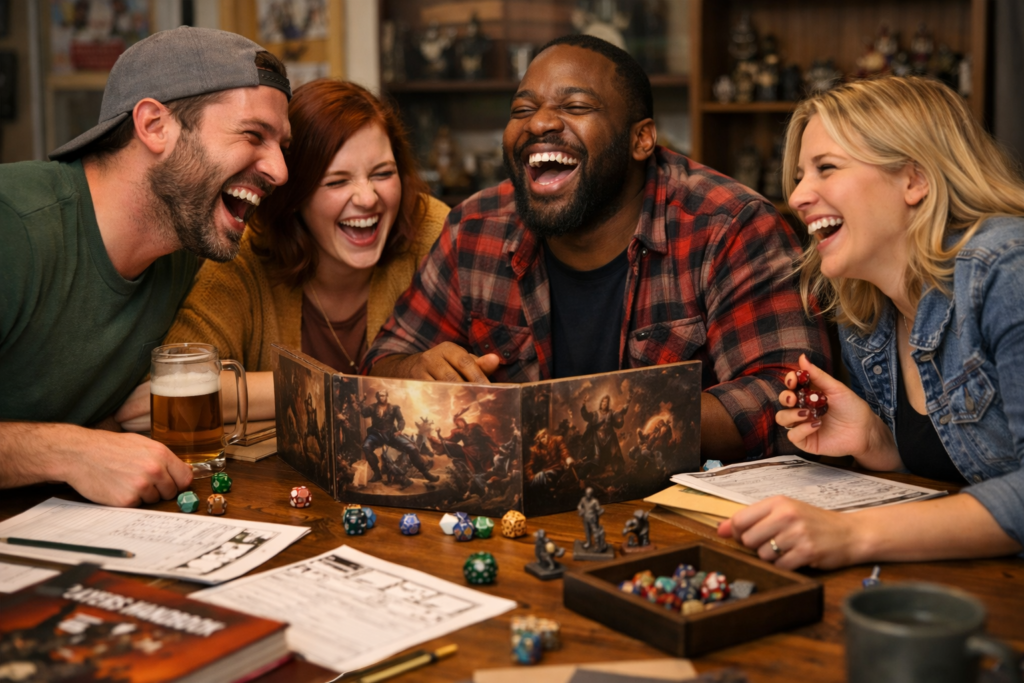
That is exactly the kind of energy Daggerheart seems built to create.
Rather than focusing primarily on tactical complexity or endless mechanical mastery, Daggerheart embraces collaborative storytelling, emotional character moments, and heroic adventures. It is a fantasy roleplaying game designed to make players feel like the heroes of an evolving legend while still giving every choice and every roll meaningful weight.
For groups who love character-driven stories, dramatic twists, and memorable moments, there is a lot to like here.
What Makes Daggerheart Stand Out?
One of the first things that caught my attention about Daggerheart is that it feels less interested in asking whether your character succeeds and more interested in asking what happens next.
That may sound like a small distinction, but it completely changes the way a game feels.
Many roleplaying games focus heavily on outcomes. Did you hit the monster? Did you pass the check? Did you unlock the door? Did you avoid the trap?
Those questions matter, of course.
Daggerheart seems much more interested in the story surrounding those moments. What does success cost? What changes because of failure? How does this moment shape your character? How does it shape the people around them?
As someone who loves RPGs for the stories they create, I find that approach incredibly appealing. Some of my favorite tabletop memories came from situations where things did not go exactly according to plan. Sometimes the disastrous outcome was far more entertaining than the successful one.
Heroes getting everything right can be exciting. Heroes accidentally setting a bakery on fire while trying to save a kingdom can be unforgettable. Not that I’ve ever seen that happen. Repeatedly. Across multiple gaming groups.
Why the Daggerheart Hope and Fear System Feels So Clever
If there is one mechanic that immediately gets people talking about Daggerheart, it is the Hope and Fear dice system. Honestly, I understand why. It is one of those concepts that feels simple when you first hear it and then gets more interesting the longer you think about it.
Instead of treating every roll as a straightforward pass-or-fail situation, Daggerheart introduces competing narrative forces through Hope and Fear.
Immediately, every roll gains personality. The question is no longer just whether your character succeeds. Now the table is also paying attention to how that success or failure unfolds. Hope represents positive momentum, opportunity, and possibility. Fear represents complications, danger, tension, and consequences. And if you enjoy dramatic storytelling, that is a wonderful combination.
I can already picture groups staring nervously at the dice while trying to figure out what the result means for the story.
The rogue sneaks into the castle. Great. Fear won. Excellent. Now what?
Maybe the rogue gets inside successfully but leaves evidence behind. Maybe they find the information they need but attract unwanted attention. Maybe they discover something they were never meant to see, like a magical coin that turns priests into actual zombies. Yeah, that’s happened, but that’s an entirely different story. Those are the kinds of complications that stick with a group long after the campaign notes are packed away and the eraser dust has settled.
Likewise, Hope can transform difficult situations into opportunities for growth, connection, or unexpected success. Every roll becomes more than a number. It becomes a narrative event.
As somebody who loves when mechanics actively support storytelling, I absolutely adore this idea.
Daggerheart Turns Dice Rolls Into Memorable Moments
Let’s be honest. In some RPGs, you roll so many dice that individual rolls start blending together.
You open a chest. Roll.
You climb a wall. Roll.
You investigate a room. Roll.
You talk to a guard. Roll.
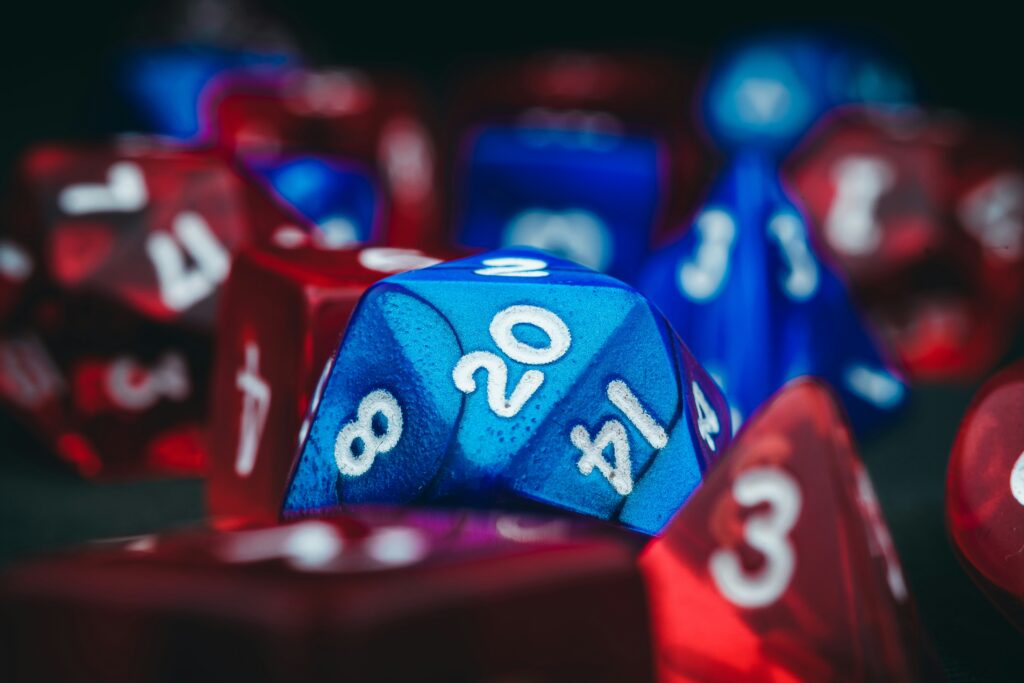
By the end of the session, you cannot remember half of them. They are just tiny mechanical speed bumps along the road. And that is where Daggerheart takes a different approach. Because Hope and Fear influence outcomes in meaningful ways, each roll feels more dramatic. Players naturally become invested in the narrative significance of a result rather than focusing entirely on success percentages. That creates tension. It creates anticipation. Most importantly, it creates stories.
The best tabletop moments often come from situations where everyone at the table immediately realizes something important just happened. Not because the numbers said so. Because the story said so.
Daggerheart seems designed to encourage exactly those experiences.
Character Creation in Daggerheart Is About More Than Statistics
Whenever I make a new RPG character, I always start with good intentions. This time, I tell myself, I am going to create a serious and nuanced hero. A deep and compelling character. A rich emotional journey.
Several hours later I somehow end up with a suspiciously chaotic bard who absolutely should not be trusted around magical artifacts. It happens. Quite often with me, in fact.
From a fairy addicted to sugar to a treasure hunter who is an equal opportunity flirter, my characters always seem to be… quirky. Weird. Insufferable. And that’s what makes them so much fun.
One of the most appealing aspects of Daggerheart is its emphasis on characters as people rather than collections of statistics. Character motivations matter. Relationships matter. Personal histories matter. Emotional connections matter.
The goal is not simply determining what a hero can do. The goal is understanding who they are.
That foundation helps create stronger roleplaying opportunities because players become invested in their characters as individuals. When a character has dreams, flaws, fears, and meaningful relationships, every decision carries more emotional weight. Protecting a village feels different when someone you care about lives there. Confronting a villain feels different when the conflict connects to your personal journey.
The mechanics and storytelling work together to reinforce those kinds of moments. For narrative-focused players, that can be incredibly rewarding.
Daggerheart Encourages Heroic Fantasy
One thing I appreciate about Daggerheart’s overall design philosophy is that it embraces heroism. The game wants players to feel like heroes.
That does not mean everything is easy. Challenges still matter. Consequences still matter. The stakes still matter. But there is a difference between facing meaningful challenges and feeling completely powerless.
Many players sit down at a fantasy RPG because they want to experience epic adventures. They want daring rescues, dramatic confrontations, impossible quests, and triumphant victories.
Daggerheart appears built to support those experiences. Characters are encouraged to make bold choices. Dramatic risks are part of the journey. Big emotional moments are not treated as side content. They are the point. As a longtime fantasy fan, I love that.
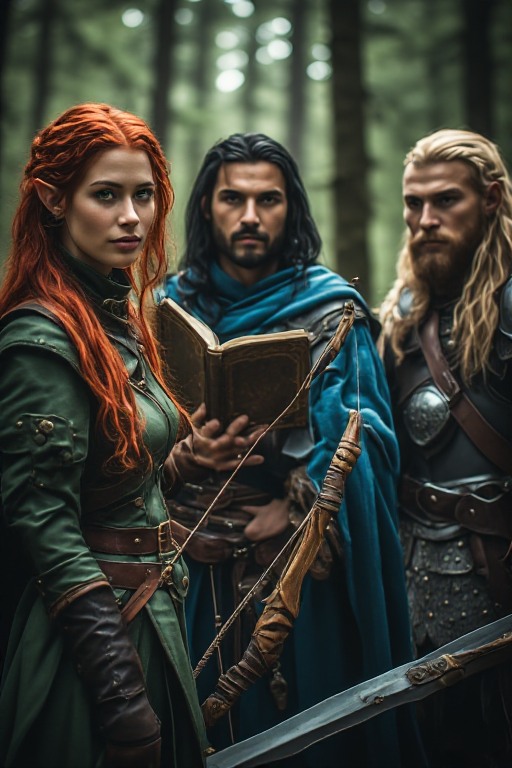
Fantasy has always thrived on stories of ordinary people rising to extraordinary challenges. Daggerheart embraces that tradition while giving players the tools to create those stories themselves.
How Daggerheart Welcomes New Players
Learning a new RPG can sometimes feel like being handed the controls to a spaceship without receiving the instruction manual. Everybody else appears confident. Everybody else knows what all the terms mean. Meanwhile, you’re hoping nobody notices that you’re secretly trying to remember the difference between five different kinds of dice.
Daggerheart seems intentionally designed to be approachable.
The rules support storytelling without requiring players to master enormous amounts of complexity before they can have fun. That accessibility is important.
A welcoming RPG helps new players focus on imagination, creativity, and roleplaying instead of becoming overwhelmed by endless mechanics. The easier it is for a newcomer to join the table, the easier it becomes for the hobby to grow.
And honestly, introducing new people to tabletop gaming is one of the best parts of the hobby. Watching somebody discover roleplaying for the first time is wonderful. Usually right before they become emotionally attached to a character and spend the rest of the campaign worrying about them.
We’ve all been there. And that first major victory where everyone cheers because your character did something impossible that saved everyone— those are the moments that make it worth it.
Veteran Players Can Find Plenty to Love in Daggerheart
Accessibility and depth are often treated like opposites. They are not. A game can be easy to learn while still offering meaningful experiences for experienced players.
Daggerheart demonstrates that idea beautifully. Rather than creating depth through increasingly complicated mechanics, it creates depth through storytelling, character development, relationships, and choices.
Experienced players are still faced with difficult decisions. Characters still evolve. Narratives still become layered and complex.
The difference is that much of the complexity comes from the story itself rather than from rule interactions. Personally, I think there is something refreshing about that approach. After all, years later, players rarely remember every modifier from a combat encounter. They remember the emotional moments. They remember the shocking betrayals. They remember the ridiculous plans that somehow succeeded, like picking a lock with the bone of a rat’s skeleton. Or somehow succeeded despite absolutely no evidence that they should have.
The Collaborative Heart of Daggerheart
If I had to pick one thing that excites me most about Daggerheart, it would probably be its commitment to collaborative storytelling.
The game encourages everyone at the table to contribute to the shared narrative. Players are not simply moving through a world that exists independently of them. They are helping shape it.
Their choices matter. Their ideas matter.
Their characters influence the direction of the story. That collaborative spirit is one of the reasons tabletop gaming remains such a unique form of storytelling.
Books are wonderful. Movies are wonderful. Video games are wonderful. But tabletop RPGs allow a group of people to build a story together in real time. No two campaigns unfold exactly the same way. No two groups create the same experience. That unpredictability is part of the magic.
Daggerheart seems determined to embrace that magic rather than constrain it.
Why Daggerheart Feels Like a Modern Fantasy RPG
Tabletop gaming has changed a lot over the years. While plenty of groups still gather around pizza and soda for a night of adventure, many modern players are also looking for rich storytelling, meaningful character arcs, collaborative worldbuilding, and emotional depth alongside traditional fantasy adventure.
Daggerheart feels like a response to those evolving expectations. It takes familiar fantasy elements and combines them with modern design philosophies that prioritize narrative engagement and player agency.
The result is a game that feels both familiar and fresh. There are heroes. There are adventures. There are legendary quests waiting to be undertaken. But there is also a strong emphasis on the people behind those adventures and the emotional journeys they experience along the way.
That combination gives Daggerheart a unique identity within the fantasy RPG space.
Stepping Into Your Own Legend With Daggerheart
At the end of the day, I think Daggerheart understands why so many of us fell in love with tabletop roleplaying games in the first place.
Most people are not gathering around a table because they desperately want to spend an evening calculating probabilities. Some people absolutely do enjoy that, and I genuinely respect their commitment to spreadsheets and mathematics. My partner is that way. I, on the other hand, am quietly writing a book about it called “The Evil Book of Mathy Bits”. I suppose you can see my view of it from that.
For those not chasing math, we are usually chasing stories. We want the triumphant victories. We want the heartbreaking setbacks. We want the friendships, rivalries, sacrifices, and impossible choices that make fantasy adventures memorable. We want the moments where everyone around the table starts laughing so hard they cannot continue the scene. We want the moments where everyone goes completely silent because the story suddenly became very, very real.
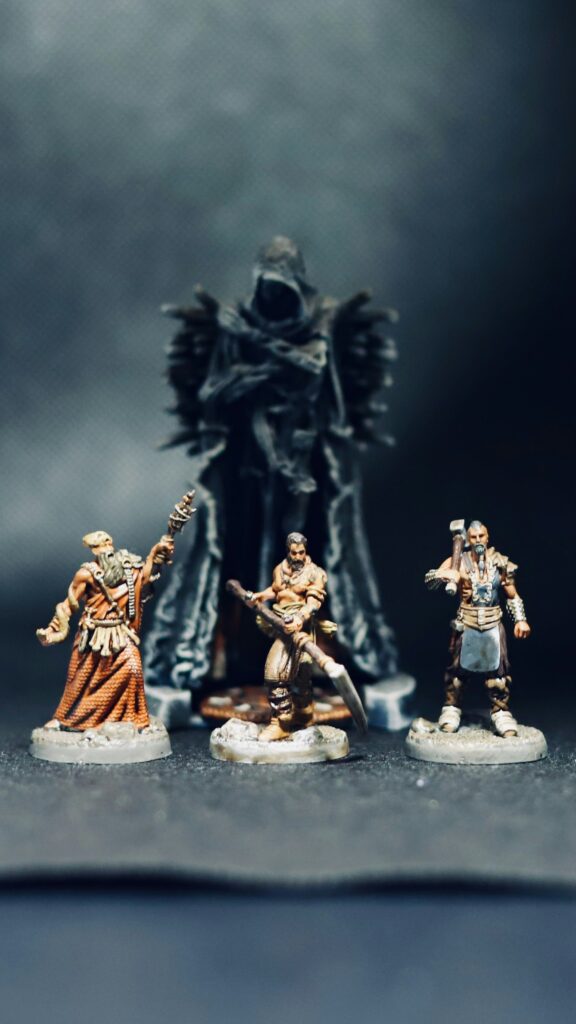
Daggerheart appears built around creating those experiences.
Its focus on narrative storytelling, character growth, collaborative play, and the Hope versus Fear system transforms ordinary dice rolls into meaningful story beats. Heroes are encouraged to grow through their choices. Players are encouraged to shape the world around them. Every session has the potential to become another chapter in a larger legend.
Whether you’re a veteran game master looking for a fresh storytelling experience or someone entirely new to tabletop roleplaying, Daggerheart offers an inviting path into heroic fantasy.
And honestly, if a game can make a table full of friends laugh, gasp, cheer, panic, celebrate, and accidentally adopt three completely unnecessary side characters in the span of a single session, I would say it is doing something right.
Supporting Autumnelf on Ko‑Fi helps fuel new essays, book projects, ocean‑life explorations, theatrical deep dives, and the creative quests that make Phantom Orca Quest a vibrant, multimedia experience.
Get Me a Spark of Magic
